

Septic tank systems are essential for managing wastewater in areas without centralized sewage systems. Understanding the costs associated with septic tank repair and replacement is crucial for homeowners, as these expenses can vary significantly based on several factors. This article will delve into the average cost ranges for septic tank services, helping you make informed decisions about whether to repair or replace your system. We will also explore the factors influencing these costs, the impact of local regulations, and maintenance practices that can extend the lifespan of your septic system. By the end, you will have a comprehensive understanding of septic tank costs and the best practices for maintaining your system.
What Are the Average Costs for Septic Tank Repair and Replacement?
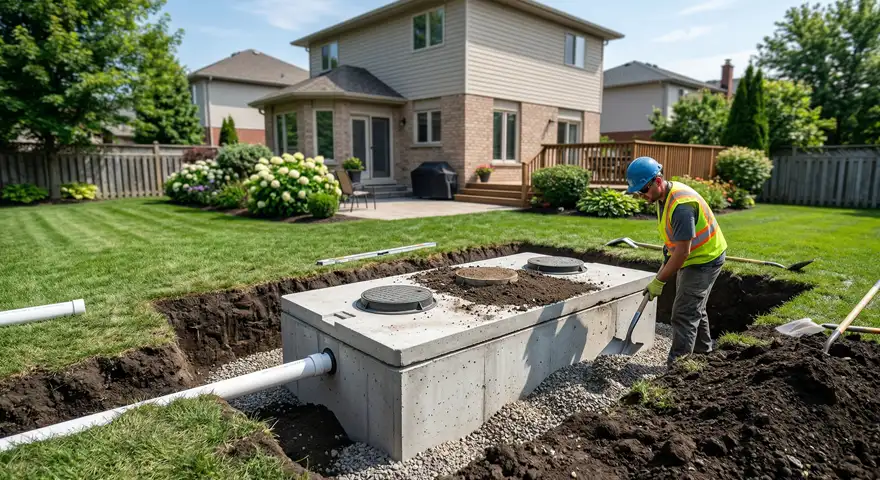
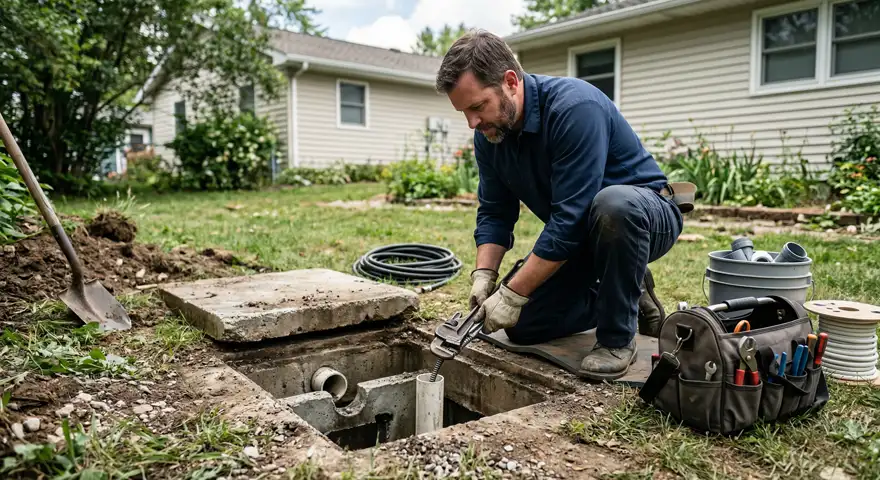
The average costs for septic tank repair and replacement can vary widely depending on the specific circumstances of each case. Generally, septic tank repairs can range from $300 to $1,000 for minor repairs, but more extensive repairs such as drain field replacement can cost $2,000 to $7,000. Complete septic tank replacements may cost between $3,000 and $10,000 or more, depending on tank size, type, and site conditions. These costs are influenced by factors such as the type of repair needed, the size of the tank, and local labor rates.
| Service Type | Cost Range | Factors Influencing Cost |
|---|---|---|
| Septic Tank Repair | $300 – $7,000 | Type of repair, labor costs, materials |
| Septic Tank Replacement | $3,000 – $10,000+ | Size of tank, excavation needs, local regulations |
For homeowners in Chautauqua County, NY, it is essential to consider local service providers like McCandless Plumbing & Excavation, which specializes in septic system services. Their expertise can help ensure that repairs or replacements are done efficiently and in compliance with local regulations.
What Factors Influence Septic Tank Repair Prices?
Several factors can influence the cost of septic tank repairs. Common issues include:
- Type of Repair: Different repairs, such as fixing a leaky tank or replacing a drain field, come with varying costs.
- Labor Costs: Local labor rates can significantly affect the overall price of repairs.
- Material Costs: The quality and type of materials used for repairs can also impact the final bill.
Understanding these factors can help homeowners anticipate potential costs and budget accordingly.
How Do Excavation and Drainage Affect Replacement Costs?
Excavation and drainage play a critical role in the overall costs associated with septic tank replacement. The need for excavation can add significant expenses, especially if the tank is located in a hard-to-reach area or if extensive drainage work is required. Factors to consider include:
- Excavation Requirements: The depth and extent of excavation needed can vary, affecting labor and equipment costs.
- Drainage Considerations: Proper drainage is essential for the effective functioning of a new septic system, and any necessary modifications can increase costs.
- Cost Variations: Depending on the complexity of the site, costs can vary widely, making it essential to obtain multiple quotes from local contractors.
When Should You Choose Septic Tank Repair Over Replacement?
Deciding between repair and replacement of a septic tank can be challenging. Several factors can guide this decision-making process.
What Are the Signs Indicating the Need for Repair?
Homeowners should be aware of several signs that indicate a septic tank may need repair:
- Frequent Backups: Regular backups in the plumbing system can signal a failing septic tank.
- Unpleasant Odors: Foul smells around the tank or drain field can indicate leaks or other issues.
- Slow Drains: Drains that are consistently slow may suggest a problem with the septic system.
Recognizing these signs early can help prevent more extensive damage and higher repair costs.
When Is Replacement the More Cost-Effective Option?
In some cases, replacement may be the more cost-effective option compared to repair. Factors to consider include:
- Cost Analysis: If repair costs approach or exceed the cost of a new system, replacement may be the better choice.
- Long-Term Savings: A new septic system may offer better efficiency and lower maintenance costs over time.
- System Longevity: Older systems may be more prone to failures, making replacement a more reliable long-term solution.
How Do Local Regulations and Permits Impact Septic System Costs in Chautauqua County?
Local regulations and permit requirements can significantly impact the costs associated with septic system installation and repair.
What Are the Specific Permit Requirements for Septic Work in Chautauqua County?
In Chautauqua County, homeowners must adhere to specific permit requirements for septic work. These may include:
- Permit Types: Different permits may be required for repairs versus new installations.
- Application Process: Homeowners must navigate the application process, which can involve inspections and approvals.
- Cost Implications: Permit fees can add to the overall cost of septic system work, making it essential to factor these into the budget.
How Do New York State Regulations Affect Septic Installation and Repair Pricing?
New York State regulations also play a crucial role in determining septic system costs. Key considerations include:
- State Regulations Overview: Compliance with state regulations is mandatory for all septic work, including meeting Department of Health or Department of Environmental Conservation standards.
- Impact on Pricing: Adhering to these regulations can increase costs due to required materials, inspections, and labor.
- Compliance Costs: Homeowners should be prepared for potential additional expenses related to meeting state standards.
What Maintenance Practices Can Extend the Lifespan of Your Septic System?
Regular maintenance is vital for extending the lifespan of a septic system and preventing costly repairs.
How Often Should Septic Tanks Be Inspected and Pumped?
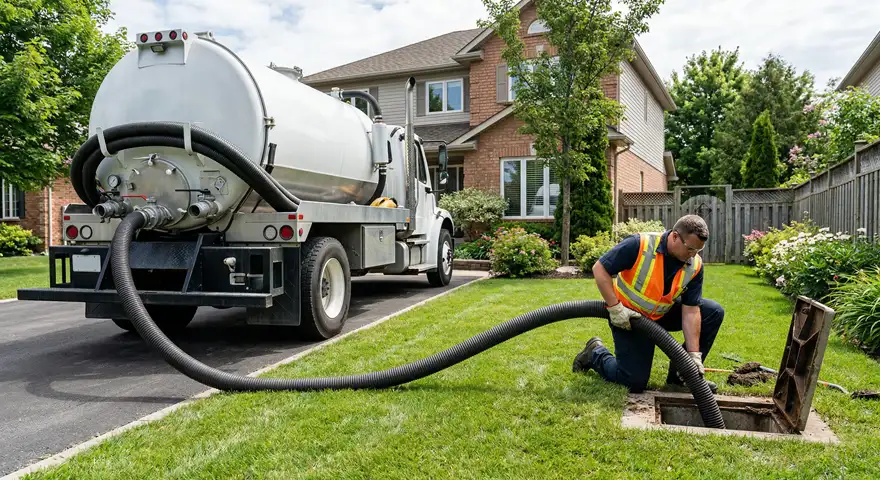
Homeowners should have their septic tanks inspected and pumped regularly to maintain optimal function. Recommended practices include:
- Inspection Frequency: Tanks should be inspected every 1-3 years, depending on usage and system type.
- Pumping Schedule: Pumping is typically recommended every 3-5 years to prevent buildup and system failure.
- Signs of Need: Homeowners should be vigilant for signs that indicate the need for pumping, such as slow drains or odors.
Understanding the various approaches to managing septic tank maintenance, including the associated operational costs, is crucial for long-term system health and financial planning.
Septic Tank O&M Costs & Management Approaches
The septic tank, as a decentralized solution for sewage treatment, offers an alternative whose maintenance and operation (O&M) costs can be influenced by the chosen management approach. This study aims to determine the population thresholds at which the per capita cost of collective management becomes more cost-effective compared to single-family and joint single-family management. The O&M costs of septic tanks were assessed for three management approaches: collective, single-family, and joint single-family. Non-routine costs encompassed sludge collection, while routine costs involved screen and grit chamber cleaning, sludge and scum inspection and measurement, maintenance of treatment unit structures, and analytical control.
Cost-effectiveness study of septic tank management in rural communities, PS Scalize, 2024
What Are Common Maintenance Tips to Avoid Costly Repairs?
To avoid costly repairs, homeowners can implement several maintenance practices:
- Avoid Harmful Substances: Do not flush non-biodegradable items or chemicals that can harm the system.
- Regular Checks: Conduct regular visual inspections of the tank and drain field for signs of trouble.
- Professional Services: Engage professionals for maintenance tasks to ensure compliance with local regulations and best practices.
By following these maintenance tips, homeowners can significantly extend the lifespan of their septic systems and reduce the likelihood of expensive repairs.