

Septic tank repair costs can vary significantly based on several key factors that homeowners should understand. Knowing these factors can help you make informed decisions when faced with repair needs. This guide will explore the various elements that influence septic tank repair costs — including the age and material of the tank, the extent of damage, excavation requirements, plumbing issues, and local regulations. By understanding these components, homeowners in Chautauqua County and across Western New York can better prepare for potential expenses and ensure their septic systems remain functional and compliant with local standards.
Indeed, understanding the full financial scope of septic system ownership is crucial for every homeowner.
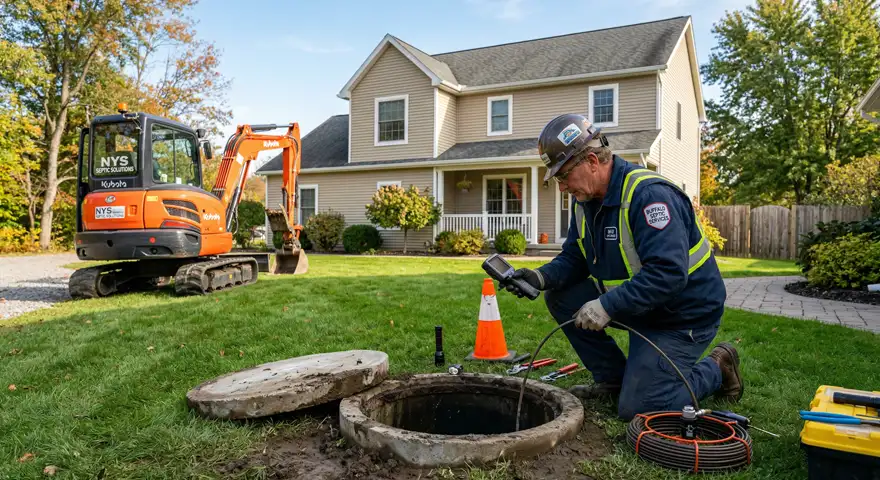
Understanding Septic System Maintenance & Repair Costs
Each property owner should be aware of all maintenance costs, repair costs, pump-outs, and perhaps even replacement costs of the on-site system over its lifetime, as these are significant financial considerations. Whether you’re dealing with a minor clog or a more serious structural issue, the costs can add up quickly — which is why many homeowners turn to our septic system services for professional guidance before problems escalate.
What Are the Main Factors Affecting Septic Tank Repair Costs?
Several factors play a crucial role in determining the costs associated with septic tank repairs. Understanding these factors can help homeowners anticipate expenses and make informed decisions regarding maintenance and repairs. The primary elements influencing septic tank repair costs include the age of the tank, the material type, and the extent of damage.
| Factor | Description | Impact on Cost |
|---|---|---|
| Age of the Tank | Older tanks may require more frequent repairs due to wear and tear. | Higher costs for older systems needing extensive repairs. |
| Material Type | Different materials (e.g., concrete, plastic) have varying lifespans and repair costs. | Costs vary based on material durability and repair complexity. |
| Extent of Damage | Minor repairs are less costly than major overhauls or replacements. | Significant damage can lead to higher repair bills. |
Understanding these factors can help homeowners budget for necessary repairs and avoid unexpected costs.
How Do Age and Material Type Influence Repair Expenses?
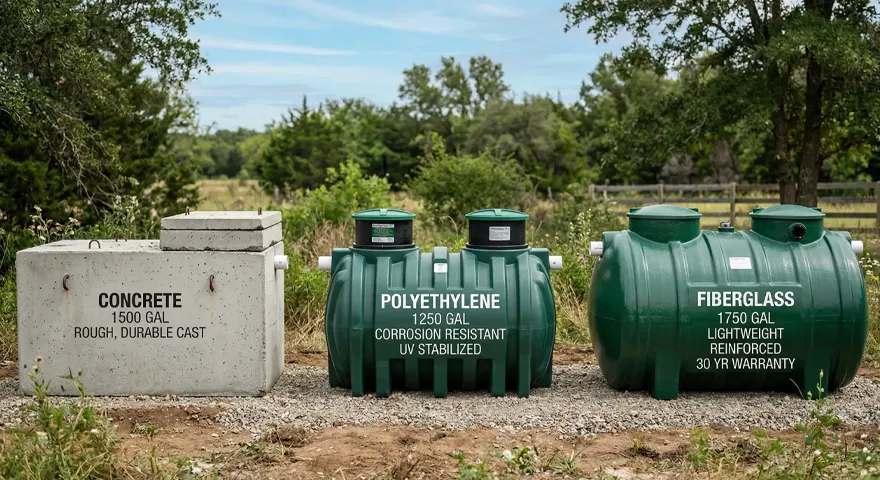
The age and material type of a septic tank significantly influence repair expenses. Older tanks, particularly those made from less durable materials, may require more frequent repairs. Concrete tanks can last 30 to 40 years with proper maintenance, while plastic tanks typically last around 20 to 30 years. As tanks age, they become more susceptible to cracks and leaks — leading to increased repair costs. According to HomeGuide’s 2026 septic repair cost data, steel tanks typically last 20 to 25 years, while well-maintained concrete tanks can often exceed 40 years of service. Homeowners should consider the material and age of their septic systems when evaluating potential repair expenses.
This perspective is further supported by real-world examples where aging septic systems have led to significant environmental concerns and associated costs. In April 1997, the Sarasota Board of County Commissioners identified aging septic systems as contributors to pollution in a major waterway — a pattern that underscores why proactive maintenance matters for communities everywhere, including Chautauqua County.
What Role Does Damage Extent Play in Cost Determination?
The extent of damage to a septic tank is a critical factor in determining repair costs. Minor issues, such as small leaks or clogs, can often be resolved with simple repairs at a lower cost. However, extensive damage — such as a complete tank failure or significant structural issues — can lead to much higher expenses. Homeowners should regularly inspect their septic systems to catch minor problems early, potentially saving thousands on more costly repairs down the line. If you’re unsure about the state of your system, a professional septic system inspection is the best first step.
How Does Excavation Impact Septic Tank Repair Pricing?
Excavation is often a necessary part of septic tank repairs, especially when access to the tank is limited. The costs associated with excavation can vary based on the complexity of the job and the local market rates for excavation services. Understanding the role of excavation in the repair process can help homeowners anticipate additional costs. McCandless Plumbing & Excavation offers comprehensive excavation services that are carefully scoped to minimize disruption to your property.
Why Is Excavation Necessary for Effective Septic Repairs?
Excavation is essential for effective septic repairs as it allows access to the tank and its components. Without proper access, repairs cannot be performed efficiently, potentially leading to further damage. Excavation also ensures that any necessary replacements or repairs can be conducted safely and effectively, minimizing the risk of future issues.
What Are Typical Excavation Costs in Chautauqua County?
In Chautauqua County, excavation costs can vary based on the specific requirements of the job. On average, homeowners can expect to pay between $1,200 and $3,500 for excavation services related to septic tank repairs. Factors influencing these costs include the depth of the tank, soil conditions, and the equipment required for the job. Homeowners should obtain multiple quotes to ensure they receive a fair price for excavation services.
How Do Plumbing and Drainage Affect Septic System Repair Costs?
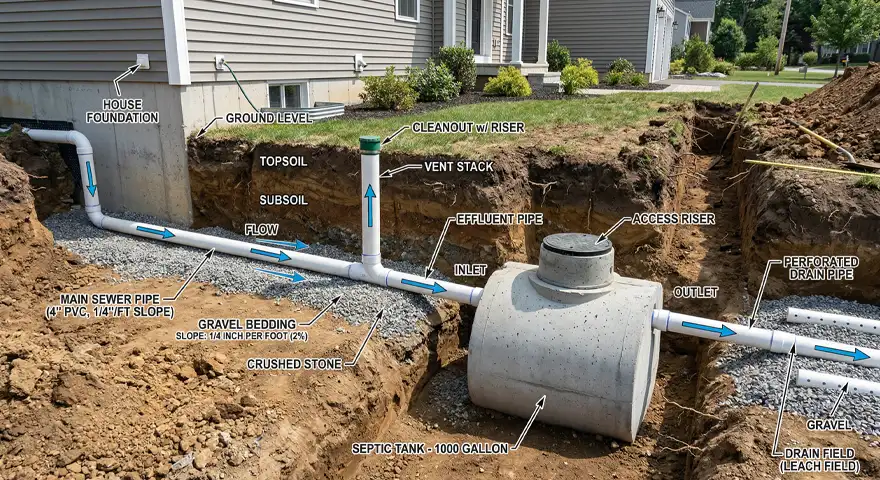
Plumbing and drainage issues can significantly impact septic system repair costs. Common plumbing problems, such as clogs and leaks, can lead to increased wear on the septic system, resulting in higher repair expenses. Additionally, proper drainage maintenance is crucial for the longevity of the septic system. Homeowners dealing with persistent drainage problems often benefit from pairing septic repairs with dedicated yard drainage solutions to address the root cause of moisture buildup.
What Plumbing Issues Commonly Increase Repair Expenses?
Several plumbing issues can lead to increased repair expenses for septic systems. Common problems include:
- Clogs: Blockages in the plumbing can cause backups and pressure on the septic system, leading to costly repairs.
- Leaks: Leaking pipes can introduce excess water into the septic system, overwhelming its capacity and leading to failures.
- Improper Installation: Poorly installed plumbing can create ongoing issues that require frequent repairs.
Addressing these plumbing issues promptly can help mitigate repair costs and extend the life of the septic system. The EPA’s Homeowner’s Guide to Septic Systems is an excellent resource for understanding everyday habits that can protect your system and reduce the likelihood of expensive repairs.
How Does Drainage Maintenance Influence Septic System Longevity?
Proper drainage maintenance is vital for the longevity of a septic system. Regularly inspecting and maintaining drainage systems can prevent water from pooling around the septic tank, which can lead to system failure. Homeowners should ensure that gutters and downspouts direct water away from the septic area and that landscaping does not obstruct drainage paths. By maintaining proper drainage, homeowners can reduce the risk of costly repairs and extend the life of their septic systems.
Pro Tip from McCandless: With over 50 years serving Chautauqua County, our team often finds that many expensive repairs stem from drainage issues that went unaddressed for years. A routine inspection can catch these problems early — before they become a major bill.
What Local Regulations and Permits Affect Septic Repair Costs in Chautauqua County?
Local regulations and permits can significantly impact septic repair costs in Chautauqua County. Homeowners must be aware of the necessary permits and compliance requirements to avoid fines and ensure their systems are up to code. The management of repair, replacement, and rehabilitation costs for a septic system often involves local regulatory agencies, which either assume the cost or mandate specific actions to address environmental stress resulting from system failure.
Which Permits Are Required for Septic Repairs in Jamestown, NY?
In Jamestown, NY, homeowners must obtain specific permits before conducting septic repairs. These typically include a sanitary permit from the Chautauqua County Department of Health and, depending on the scope of work, a building permit from the City of Jamestown. An Environmental Impact Assessment is not generally required for standard septic repairs but may be needed for large-scale or environmentally sensitive projects. Homeowners should consult local authorities to ensure they have the necessary permits before beginning any repair work. Our team at McCandless handles the permitting process on behalf of our clients — it’s part of how we deliver complete, code-compliant septic tank repair services across the county.
How Do Environmental Regulations Impact Repair Pricing?
Environmental regulations can also affect septic repair pricing. Compliance may require additional assessments, permits, or modifications to the repair process, which can increase overall costs. According to Bob Vila’s septic replacement cost guide, some locations require mandatory inspections to verify code compliance — and homeowners are responsible for those inspection fees. Homeowners should factor in these potential expenses when budgeting for septic repairs to ensure they remain compliant with local laws and regulations.
When in doubt, working with a licensed, locally experienced contractor is the best way to navigate both the regulatory and cost landscape. The McCandless team has managed dozens of permitted septic projects across Jamestown, Lakewood, Falconer, Dunkirk, and surrounding communities — and we know how to get the work done right the first time.