

What is the Average Sewer Line Replacement Cost in Jamestown?
The average sewer line replacement cost in Jamestown ranges from $3,500 to $12,000, with most homeowners paying around $6,500 for a standard replacement.The total cost depends on your specific situation, including the length of pipe needed, excavation depth, replacement method, and site accessibility. Per linear foot, expect to pay between $50 and $250, with the average falling around $125 per foot for traditional excavation.
For expert sewer line replacement services in Jamestown, contact McCandless Plumbing & Excavation for a detailed estimate tailored to your property’s specific needs.
TABLE OF CONTENTS
- Sewer Line Replacement Cost Breakdown in Jamestown
- Factors That Affect Your Replacement Cost
- Traditional vs. Trenchless Replacement Methods
- Finding the Best Local Contractors in Jamestown
- Affordable Sewer Line Replacement Options
- Signs You Need Sewer Line Replacement
- How to Plan for Sewer Line Replacement
- Jamestown-Specific Considerations
- Frequently Asked Questions
Sewer Line Replacement Cost Breakdown in Jamestown
Understanding the complete cost structure helps you budget effectively for this significant home repair. Sewer line replacement involves multiple components that contribute to your final bill.
Per Linear Foot Pricing
The most common way contractors price sewer line replacement is per linear foot. In Jamestown, you can expect the following ranges:
- Traditional Excavation:$50-$150 per linear foot for standard depth lines (3-6 feet deep)
- Deep Excavation:$150-$250 per linear foot for lines deeper than 6 feet or in difficult terrain
- Trenchless Pipe Bursting:$60-$200 per linear foot, depending on existing pipe condition
- Trenchless Pipe Lining:$80-$250 per linear foot, ideal for pipes with minimal damage
Most residential properties in Jamestown have sewer lines between 40 and 100 feet in length from the house to the municipal connection or septic system.
Complete Project Cost Examples
Here’s what real Jamestown homeowners typically pay for complete sewer line replacement projects:
- Small Project (40 feet):$3,500-$6,000 using traditional excavation with PVC pipe
- Average Project (60 feet):$5,000-$9,000 for standard depth replacement with moderate landscaping restoration
- Large Project (100 feet):$8,000-$15,000 for longer runs or trenchless methods preserving mature landscaping
- Complex Project:$12,000-$20,000+ for deep lines, difficult access, or extensive concrete/driveway restoration
Additional Cost Components
Beyond the basic per-foot pricing, several additional expenses may apply to your project:
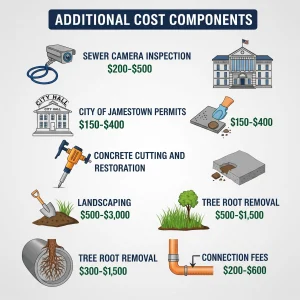
- Sewer Camera Inspection:$200-$500 (essential for accurate diagnosis)
- City of Jamestown Permits:$150-$400 depending on project scope
- Concrete Cutting and Restoration:$500-$2,000 if your line runs under driveways or sidewalks
- Landscaping Restoration:$500-$3,000 for grass reseeding, shrub replacement, or garden bed repair
- Tree Root Removal:$300-$1,500 if extensive root systems have invaded your line
- Connection Fees:$200-$600 for reconnecting to municipal sewer system.
Factors That Affect Your Replacement Cost
Several variables specific to your property and situation determine whether you’ll pay toward the lower or higher end of the cost spectrum.
Pipe Length and Depth
The two most significant cost drivers are straightforward: how much pipe you need and how deep it’s buried. Jamestown properties with longer distances to the street connection or those built on slopes requiring deeper burial naturally cost more. Excavation becomes exponentially more expensive as depth increases due to safety requirements, shoring needs, and labor intensity.
Replacement Method Selection
You have two primary options: traditional excavation or trenchless technology. Traditional excavation costs less upfront for the pipe work itself but can add thousands in landscape restoration. Trenchless methods like pipe bursting or lining cost more initially but eliminate most landscape damage, often making them more cost-effective overall when you factor in total restoration expenses.
Pipe Material Choice
Your material selection impacts both immediate costs and long-term durability:
- PVC (Polyvinyl Chloride):$3-$6 per linear foot for materials, most affordable and popular choice, excellent 50+ year lifespan
- ABS (Acrylonitrile Butadiene Styrene):$4-$7 per foot, similar to PVC but less common for main sewer lines
- Cast Iron:$10-$20 per foot, extremely durable but heavy and expensive, rarely used for full replacements
- HDPE (High-Density Polyethylene):$8-$12 per foot, excellent for trenchless installations, flexible and durable
Most Jamestown contractors recommend PVC Schedule 40 pipe for residential sewer lines due to its ideal balance of cost, durability, and ease of installation.
Property Accessibility
Can excavation equipment easily reach your sewer line? Properties with narrow side yards, fenced areas requiring gate removal, or lines running under decks or additions require more hand digging and specialized equipment, increasing labor costs by 20-50%. Jamestown’s many established neighborhoods often have mature trees and tight property layouts that can complicate access.
Soil Conditions
Western New York’s soil composition varies significantly. Clay-heavy soil, common in many Jamestown areas, is harder to excavate and may require specialized equipment. Rocky soil demands even more effort and potentially rock hammers or specialized excavators. Conversely, sandy or loamy soil excavates more easily, reducing labor time and costs.
Time of Year
Seasonal factors impact pricing in Jamestown’s climate. Summer and early fall see peak demand and potentially higher rates. Winter excavation is possible but more challenging due to frozen ground, potentially increasing costs by 15-25%. Spring’s muddy conditions can also complicate excavation. However, scheduling during off-peak late fall or winter might secure better contractor rates if weather cooperates.
Traditional vs. Trenchless Replacement Methods
Understanding both approaches helps you make an informed decision about which method best suits your situation and budget.
Traditional Excavation Method
This time-tested approach involves digging a trench from your home to the sewer connection point, removing the old pipe, and installing new pipe in the trench.
Advantages:
- Lower upfront material and labor costs for the pipe installation itself
- Works for any pipe condition, even completely collapsed lines
- Allows contractor to inspect and address other underground issues
- Permits rerouting or changing pipe depth if needed
- More contractors offer this method, giving you more competitive bidding options
Disadvantages:
- Significant landscape disruption requiring extensive restoration
- May damage driveways, sidewalks, or landscaping features
- Longer project timeline (typically 2-3 days)
- Can require tree or large shrub removal in Jamestown’s tree-lined neighborhoods
- More invasive to your daily routine
Best for:Completely collapsed pipes, properties needing pipe rerouting, situations where you’re already planning landscape renovations, or when you want the most affordable upfront option.
Trenchless Replacement Methods
Modern trenchless technology accomplishes replacement with minimal excavation, typically requiring only small access pits at each end of the pipe run.
Pipe Bursting:A bursting head is pulled through your existing pipe, breaking it apart while simultaneously pulling new pipe into place. This method works for most pipe materials and sizes.
Pipe Lining:A resin-saturated liner is inserted into your existing pipe and inflated, creating a new pipe within the old one. This works best when the existing pipe is structurally sound but damaged or deteriorated.
Advantages:
- Minimal landscape disruption preserves mature trees, gardens, and lawns
- Faster completion time (often just 1 day)
- No driveway or sidewalk demolition in most cases
- Less invasive to your property and daily life
- Can install in areas difficult for traditional excavation
Disadvantages:
- Higher upfront cost for the specialized equipment and expertise
- Requires existing pipe to be relatively intact (pipe bursting) or structurally sound (lining)
- Cannot accommodate pipe rerouting or depth changes
- Fewer contractors in Jamestown offer trenchless services
- May not work if severe pipe collapse or major offset has occurred
Best for:Properties with established landscaping you want to preserve, lines running under obstacles like driveways or patios, situations where quick completion is important, or when camera inspection shows pipe is suitable for trenchless methods.
Which Method Should You Choose?
The decision often comes down to your specific pipe condition, property layout, and priorities. A professional sewer camera inspection is essential before deciding. If your line has completely collapsed, traditional excavation is your only option. If the pipe is damaged but structurally intact, trenchless may save you money overall when considering total project costs including restoration.
For Jamestown’s many historic properties with mature landscaping and established trees, trenchless often proves invaluable. However, for newer homes or properties where you’re planning landscape changes anyway, traditional excavation’s lower upfront cost may be more attractive.
Finding the Best Local Contractors in Jamestown
Selecting the right contractor for your sewer line replacement is just as important as choosing the right method. The quality of installation directly impacts longevity and performance.
McCandless Plumbing & Excavation: Your Local Experts
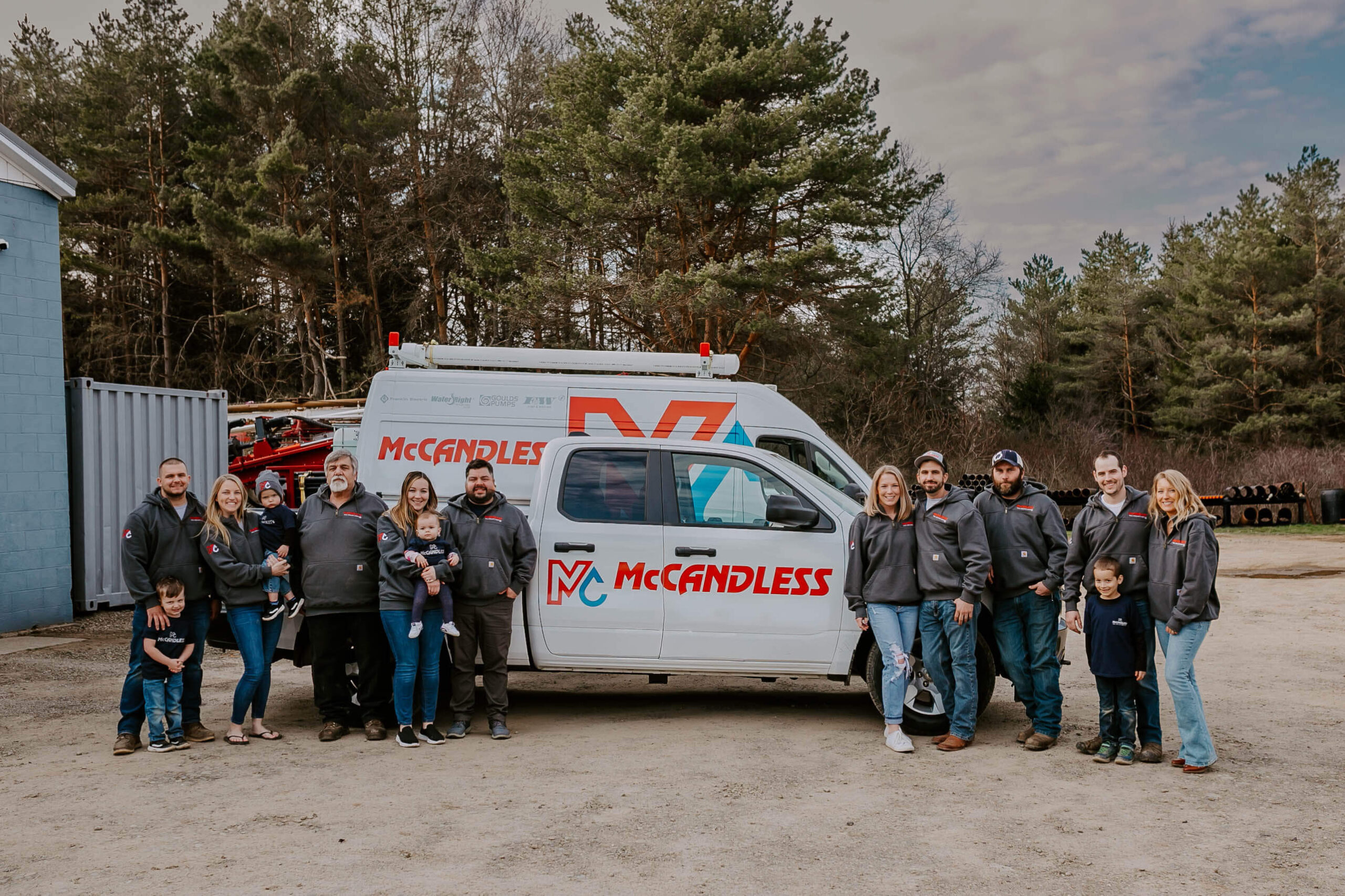
McCandless Plumbing & Excavation serves Jamestown and throughout Chautauqua County with comprehensive sewer line replacement services. As a locally-owned company with deep roots in the community, we understand the specific challenges Western New York properties face.
Our team provides:
- Licensed and insured professionals with extensive local experience
- Advanced sewer camera inspection to accurately diagnose issues
- Both traditional excavation and trenchless replacement options
- Transparent, detailed estimates with no hidden fees
- Quality workmanship backed by comprehensive warranties
- Respectful treatment of your property and landscaping
- Knowledge of Jamestown municipal codes and permit requirements
- Emergency services available for urgent sewer line failures
We’ve helped countless Jamestown homeowners navigate sewer line replacement decisions, from historic homes in the city’s older neighborhoods to newer constructions in developing areas. Our excavation expertise ensures efficient, professional work regardless of your property’s challenges.
What to Look for in Any Contractor
If you’re comparing multiple contractors, ensure each one meets these essential criteria:
- Proper Licensing:Verify they hold current New York State plumbing licenses appropriate for the work
- Insurance Coverage:Confirm both liability insurance and workers’ compensation coverage to protect you from liability
- Local References:Ask for and actually call recent Jamestown-area customers about their experiences
- Written Estimates:Get detailed quotes in writing specifying scope, materials, timeline, and total costs
- Warranty Information:Understand what warranties cover both materials and workmanship
- Permit Handling:Verify the contractor will obtain necessary City of Jamestown permits
- Equipment and Technology:Ask about camera inspection capabilities and replacement methods they offer
Red Flags to Avoid
Steer clear of contractors who:
- Provide vague estimates without detailed line inspection
- Pressure you to decide immediately with “today only” pricing
- Request large upfront payments before work begins
- Cannot provide proof of licensing and insurance
- Lack local references or online reviews
- Suggest skipping permits to “save money”
- Offer prices dramatically lower than other estimates without clear explanation
Getting Accurate Estimates
For the most accurate quotes, prepare to provide contractors with:
- Details about symptoms you’re experiencing (backups, slow drains, odors)
- Age and type of your current sewer line if known
- Any previous repairs or camera inspections
- Information about trees, landscaping, or obstacles near the sewer line route
- Whether your line connects to municipal sewer or a septic system
Expect professional contractors to perform or recommend a camera inspection before providing a final estimate. Any quote without understanding the actual pipe condition is essentially a guess.
Affordable Sewer Line Replacement Options
Sewer line replacement is a significant expense, but several strategies can help manage costs without compromising quality.
Timing Your Replacement Strategically
Schedule non-emergency replacements during off-peak seasons when contractors may offer better rates. Late fall (after leaves fall but before hard freezes) and early spring (after thaw but before peak season) often provide the best balance of contractor availability and favorable pricing. If your situation allows, waiting for a less busy time could save you hundreds of dollars.
Material Selection
While you shouldn’t compromise on quality, choosing PVC over more expensive materials like cast iron provides excellent durability at significantly lower cost. PVC Schedule 40 pipe meets all code requirements for residential sewer lines in Jamestown and offers a 50+ year lifespan, making it an excellent value choice that won’t cause problems down the road.
Financing and Payment Options
If the full replacement cost strains your immediate budget, explore these options:
- Contractor Payment Plans:Some plumbing companies offer in-house financing or installment payment options
- Home Equity Line of Credit (HELOC):Often provides lower interest rates than credit cards
- Personal Loans:Many banks and credit unions offer home improvement loans
- Credit Cards:Some offer 0% introductory APR periods for large purchases
- Emergency Home Repair Programs:Check if you qualify for any local assistance programs
McCandless Plumbing & Excavation works with homeowners to find payment solutions that make necessary repairs manageable. Contact us to discuss options for your situation.
Preventive Maintenance to Avoid Future Costs
Once your new sewer line is installed, protect your investment with regular maintenance:
- Schedule professional drain cleaning every 18-24 months
- Avoid flushing anything except toilet paper and human waste
- Never pour grease down drains
- Consider root barriers if replanting trees near the new line
- Have periodic camera inspections every 3-5 years to catch problems early
Early detection of small issues prevents them from becoming major, expensive failures requiring another full replacement.
Insurance and Protection Plans
While standard homeowners insurance rarely covers sewer line replacement due to normal wear and tear, you have other protection options:
- Service Line Coverage:Many insurance companies offer optional riders specifically covering water and sewer lines
- Home Warranty Plans:Some home warranty companies include sewer line coverage
- Municipal Programs:Check if the City of Jamestown or your utility provider offers any service line protection programs
These typically cost $50-$150 annually but can cover thousands in unexpected repair costs, providing valuable peace of mind.
Signs You Need Sewer Line Replacement
Recognizing warning signs early can help you plan for replacement before an emergency backup occurs.
Multiple Drain Clogs
If several fixtures throughout your home experience frequent clogs, especially lower-level drains, your main sewer line is likely the problem. While individual drain clogs are normal, multiple simultaneous clogs indicate a main line issue.
Persistent Sewage Odors
Sewer gas smells inside your home or yard suggest cracks or breaks in your sewer line. These odors aren’t just unpleasant; they can indicate potential health hazards requiring immediate attention.
Slow Draining Fixtures
When all your drains empty slowly despite individual drain clearing, the main sewer line has restricted flow. This progressive issue typically worsens over time until complete backup occurs.
Sewage Backups
Sewage backing up into basement floor drains, toilets, or bathtubs is a clear emergency requiring immediate professional help. This often indicates severe blockage or line failure.
Lush Patches in Your Yard
Unusually green, fast-growing grass sections above your sewer line route suggest sewage is leaking and fertilizing the area. You might also notice soggy spots, sinkholes, or unusual depressions.
Foundation Cracks or Settlement
Leaking sewer lines can wash away soil beneath your foundation, causing cracks, settlement, or other structural issues. If you notice new foundation problems, consider a sewer line inspection.
Rodent or Insect Infestations
Rats and insects can enter homes through broken sewer lines. If you’re experiencing unexplained pest problems, your sewer line might be providing them access.
Old Age
Many Jamestown homes were built between the 1950s and 1980s with clay or cast iron sewer lines expected to last 50-60 years. If your home is approaching this age and you haven’t replaced the sewer line, consider proactive inspection and replacement before emergency failure occurs.
Visible Pipe Deterioration
If you can access any portion of your sewer pipe (in a basement or crawlspace), visible corrosion, cracks, or deterioration indicate the buried portions likely have similar damage requiring replacement.
How to Plan for Sewer Line Replacement
Proper planning ensures a smoother project with fewer surprises and better results.
Step 1: Identify the Problem
When you notice warning signs, don’t ignore them hoping they’ll resolve themselves. Schedule a professional sewer camera inspection to accurately diagnose the issue. This video inspection provides visual confirmation of your pipe’s condition, identifies exact problem locations, and helps contractors plan the most effective repair approach.
Step 2: Get Multiple Estimates
Contact at least three licensed local contractors for detailed written estimates. Ensure each quote includes scope of work, materials to be used, project timeline, warranty information, and itemized costs. This allows meaningful comparison beyond just the bottom line number.
Step 3: Verify Licensing and Insurance
Before signing any contract, confirm that your chosen contractor holds proper New York State plumbing licenses and carries adequate liability insurance and workers’ compensation coverage. Don’t hesitate to request proof; legitimate contractors expect and appreciate this due diligence.
Step 4: Understand Your Property
Work with your contractor to understand your sewer line’s specifics: length, depth, current material, and route. Identify potential complications like tree roots, rocky soil, concrete that needs cutting, or tight access areas. This knowledge helps you understand the estimate and anticipate the project scope.
Step 5: Review Financing Options
If you can’t pay the full amount upfront, explore financing options before the project starts. Having financing secured in advance eliminates stress and allows you to focus on contractor selection based on quality rather than just who offers payment plans.
Step 6: Plan for Disruption
Coordinate the project timeline with your schedule. Understand that replacement typically takes 1-3 days during which you may have temporary water service interruptions. Plan accordingly, perhaps staying elsewhere if you need continuous water access, or at minimum preparing for temporary inconveniences.
Step 7: Obtain Necessary Permits
Your contractor should handle permit applications with the City of Jamestown, but confirm this is included in your estimate. Permits protect you by ensuring work meets local codes and allows for required inspections. Never agree to skip permits to “save money” as this can create serious problems when you sell your home or file insurance claims.
Step 8: Document Everything
Keep detailed records of all estimates, your contract, permits, invoices, warranty documents, and before/after photos. This documentation proves valuable for future reference, warranty claims, or when you eventually sell your property.
Preparing Your Property
Before work begins:
- Clear the area around your sewer line route of personal items, outdoor furniture, and decorations
- Mark or relocate sprinkler heads and low-voltage lighting
- Trim low-hanging branches that might interfere with equipment
- Identify and mark any other underground utilities like electric or gas lines
- Notify neighbors, especially if equipment will temporarily block shared driveways
- Arrange alternative accommodations for pets during noisy excavation work
Jamestown-Specific Considerations
Several factors unique to Jamestown and Chautauqua County affect sewer line replacement projects.
Municipal Sewer System
Most Jamestown properties connect to the municipal sewer system managed by the Jamestown Board of Public Utilities. Your sewer line typically runs from your home to the connection point in the street right-of-way. Understanding where this connection point sits helps determine your replacement cost, as you’re responsible for the line from your foundation to this connection.
Historic Property Considerations
Jamestown’s many historic neighborhoods feature homes built between 1880 and 1950 with original clay tile or cast iron sewer lines. These aging systems are now reaching the end of their useful life, making sewer line issues common in areas like the Jamestown historic district. Historic property owners should be proactive about inspection and replacement planning.
Tree Root Challenges
The area’s mature tree population, particularly in established neighborhoods, creates common sewer line challenges. Tree roots naturally seek water and nutrients, making sewer lines attractive targets. Species like willows, maples, and elms are especially aggressive. Root intrusion is one of the leading causes of sewer line damage in Jamestown properties, making camera inspection crucial for proper diagnosis.
Soil and Terrain
Jamestown’s varied terrain, from relatively flat downtown areas to hillside neighborhoods, affects excavation costs. Properties on slopes may have deeper sewer lines requiring more extensive excavation. Soil composition throughout Chautauqua County varies from clay-heavy areas to rocky terrain, both of which increase excavation difficulty and cost compared to sandy or loamy soil.
Climate Considerations
Western New York’s cold winters impact project timing and methods. While sewer line replacement is possible year-round, frozen ground increases excavation difficulty and cost during winter months. Heavy snow can complicate access and extend project timelines. Planning replacement during spring through fall generally provides more straightforward working conditions.
Local Permit Requirements
The City of Jamestown requires permits for sewer line replacement work. Your contractor should be familiar with local requirements and handle permit applications as part of their service. Permit costs are typically modest ($150-$400) but necessary for legal compliance and ensuring proper inspections.
Septic System Properties
While most Jamestown proper connects to municipal sewer, some rural properties in surrounding Chautauqua County use septic systems. If your property has a septic system, your “sewer line” runs from your home to your septic tank. The replacement considerations and costs are similar, though connection requirements differ from municipal systems.
Frequently Asked Questions
Q: How do I know if I need repair or full replacement?
A professional camera inspection determines whether your line can be repaired or requires full replacement. Generally, isolated cracks or small sections of damage can be repaired using methods like pipe lining or sectional replacement. However, if the entire line shows deterioration, has multiple problem areas, or consists of outdated materials prone to continued failure, full replacement proves more cost-effective long-term. Your contractor should provide honest guidance based on inspection findings rather than pushing for the more expensive option unnecessarily.
Q: Will my yard be destroyed during replacement?
Traditional excavation creates a trench that disturbs landscaping, but professional contractors minimize damage and restore affected areas. Most companies include basic grass reseeding in their estimates. Trenchless methods dramatically reduce landscape disruption, often requiring only small access pits at each end. In Jamestown’s established neighborhoods with mature trees and landscaping, many homeowners find trenchless methods worth the additional upfront cost to preserve their yards.
Q: Can I use my plumbing during replacement?
Plumbing use during replacement depends on the project scope and stage. Often, you’ll have periods where water service continues but sewage disposal is interrupted. Your contractor should clearly explain when you can and cannot use fixtures. For most projects, expect at least several hours to a full day where indoor plumbing cannot be used. Plan accordingly, potentially arranging alternative facilities for that period.
Q: What warranties should I expect?
Reputable contractors provide warranties covering both materials and workmanship. Material warranties from manufacturers typically cover pipe for 25-50 years. Workmanship warranties from the contractor should cover installation for at least 1-2 years, with many quality contractors offering 5-10 year workmanship guarantees. Get warranty terms in writing and understand what they cover, any exclusions, and the process for making claims if issues arise.
Q: How can I prevent future sewer line problems?
After investing in new sewer line installation, protect that investment with proper maintenance. Schedule regular professional drain cleaning, avoid flushing anything except toilet paper and human waste, never pour grease or oils down drains, consider root barriers if planting trees near the line, and have periodic camera inspections every few years. These preventive measures dramatically extend your sewer line’s lifespan and help catch small issues before they become major failures.
Q: Does homeowners insurance cover sewer line replacement?
Standard homeowners insurance policies typically exclude sewer line replacement due to normal wear and tear or aging infrastructure. However, if damage results from a covered peril like a sudden pipe burst or tree falling on the line, you may have partial coverage. Review your specific policy or contact your insurance agent. Consider adding optional sewer backup coverage or a separate service line protection policy, both of which are becoming increasingly popular as infrastructure ages.
Q: How long will my new sewer line last?
Modern PVC sewer lines installed properly should last 50-100 years under normal conditions. This substantial lifespan means today’s replacement is likely a once-in-a-lifetime investment for your property. Factors affecting longevity include proper installation, appropriate material selection for your soil conditions, regular maintenance, and protection from tree root intrusion. Quality installation by experienced contractors like McCandless Plumbing & Excavation ensures you get maximum lifespan from your investment.
Q: What happens if I wait to replace a failing sewer line?
Delaying necessary replacement allows problems to worsen, potentially causing sewage backups into your home, foundation damage from soil erosion, contamination of your property, and eventually more expensive emergency repairs. Small cracks become complete failures, requiring immediate attention at premium emergency rates. Additionally, continued sewage leaks can create health hazards and environmental concerns. While sewer line replacement is expensive, waiting typically makes it more so while exposing you to significant risks.
UNDERSTANDING YOUR INVESTMENT
Sewer line replacement represents a significant home infrastructure investment that protects your property value, health, and peace of mind. While the upfront cost may seem substantial, consider that a properly installed modern sewer line should last 50-100 years, making it truly a once-in-a-lifetime expense for most homeowners.
The cost of emergency repairs after complete line failure typically exceeds planned replacement costs by 30-50% due to emergency service premiums and additional damage to your home or property. Proactive replacement when issues first appear saves money and stress compared to reactive emergency repairs.
Working with experienced local contractors who understand Jamestown’s specific challenges – from soil conditions to municipal requirements to climate factors – ensures quality installation that maximizes your investment’s lifespan and performance.
KEY TAKEAWAYS
- Average costs range from $3,500 to $12,000for complete residential sewer line replacement in Jamestown, with most homeowners paying around $6,500
- Per-foot pricing typically runs $50-$250 per linear footdepending on replacement method, depth, and site conditions
- Major cost factors include pipe length and depth, replacement method chosen (traditional vs. trenchless), property accessibility, and soil conditions
- Trenchless methods cost more upfront but can save money overallby eliminating expensive landscape restoration, especially valuable in Jamestown’s established neighborhoods
- Professional camera inspection is essentialfor accurate diagnosis and cost estimation before proceeding with replacement
- Choose licensed, insured local contractorsfamiliar with Jamestown’s specific challenges, municipal requirements, and soil conditions
- Off-peak season scheduling and strategic material selectioncan reduce costs without compromising quality or longevity
- Modern PVC sewer lines should last 50-100 years, making replacement a worthwhile long-term investment in your property
- Proactive replacement when issues first appear costs significantly lessthan emergency repairs after complete line failure
- McCandless Plumbing & Excavation provides comprehensive sewer line servicesthroughout Jamestown and Chautauqua County with transparent pricing and quality workmanship
Ready to address your sewer line issues? Contact McCandless Plumbing & Excavation today for a comprehensive inspection and detailed estimate. Our experienced team serves Jamestown and all of Chautauqua County with professional sewer line replacement, sewer line repair, drain cleaning, and complete excavation services. We’re committed to providing transparent pricing, quality workmanship, and service you can trust.