

McCandless Plumbing & Excavation provides licensed septic system services to homeowners and businesses throughout Jamestown, NY and the surrounding Chautauqua County area — including Dunkirk, Fredonia, Lakewood, Westfield, Falconer, and Bemus Point.
With over 50 years of experience serving Western New York, our team handles installation, repair, and maintenance for all septic system types. Call (716) 403-2478 for a free estimate.

A septic system is essentially your own private sewage treatment plant. Here’s how your residential septic system processes wastewater:
Septic Tank:Wastewater flows from your home into the septic tank, where solids settle to the bottom and oils float to the top. Bacteria naturally break down organic matter.
Effluent Disposal:Partially treated water (effluent) flows from the tank to the drain field, also called a leach field or absorption field.
Soil Absorption System:The soil acts as a natural filter, removing harmful bacteria and nutrients before water reaches groundwater.
Groundwater Protection:Properly functioning systems protect local water supplies and the environment.
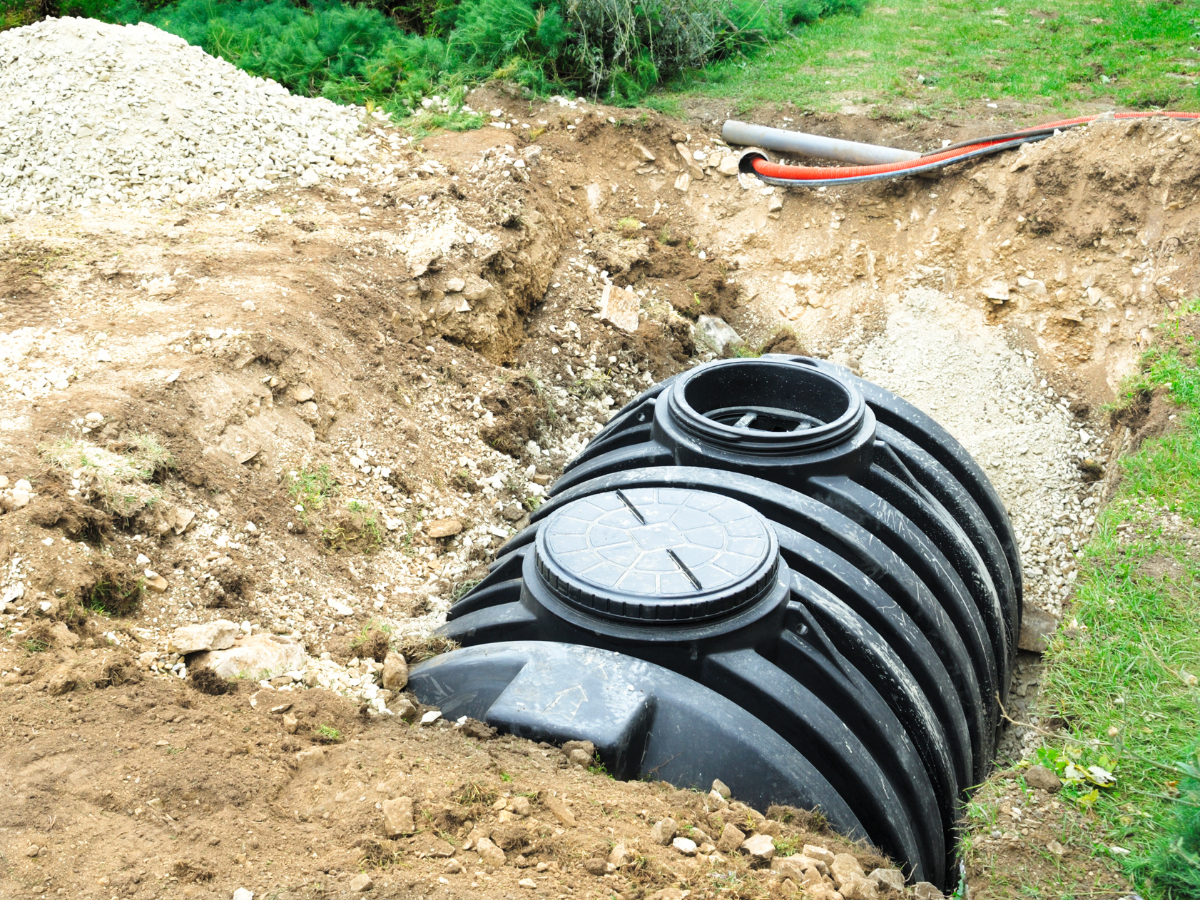
Whether you’re building a new home or replacing a failed septic system, ourprofessional septic tank installation servicesensure proper sizing, placement, and compliance with local health department regulations for long-term reliability.

Regular maintenance is crucial for septic system performance and longevity, which is why we provide comprehensiveseptic tank repair and maintenance servicesto prevent costly failures and ensure your system operates efficiently for years to come.
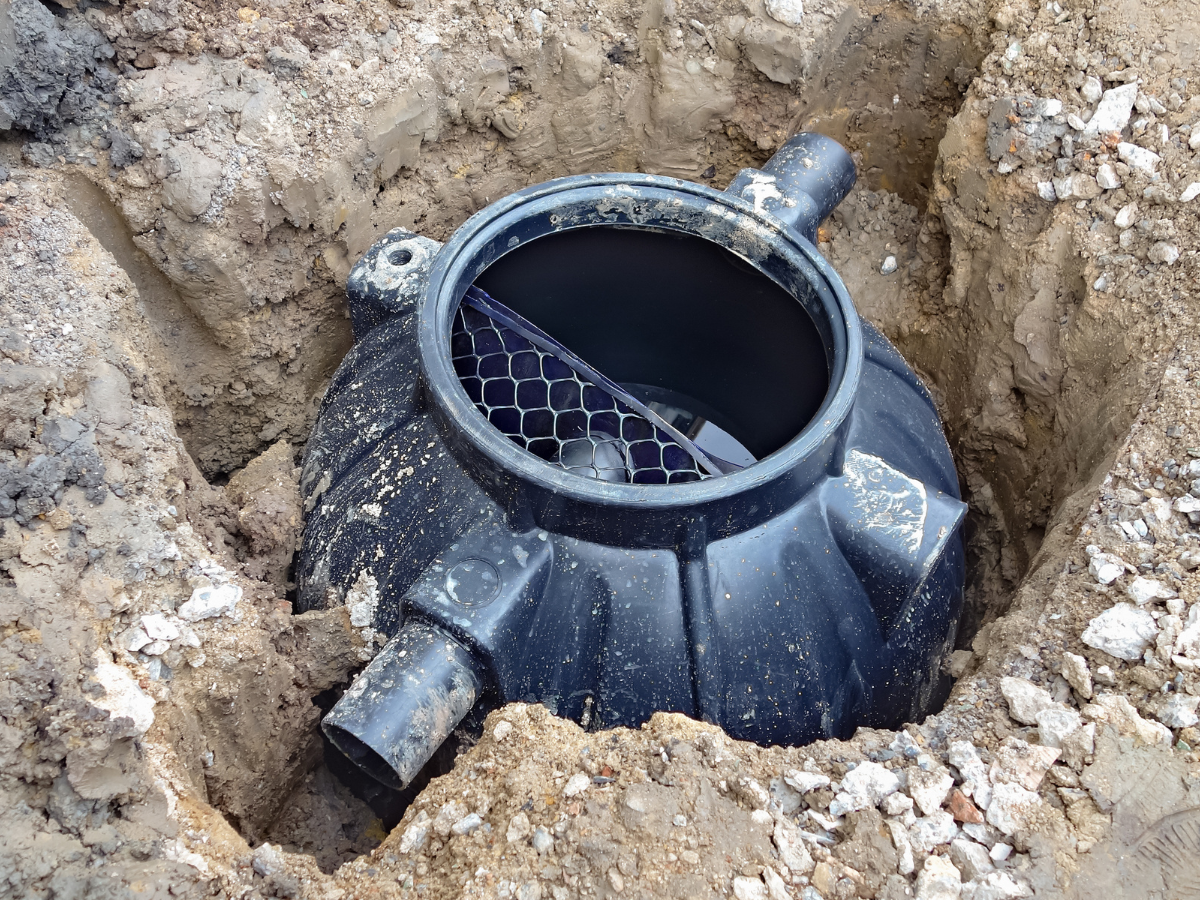
Regular maintenance and monitoring are essential for septic system longevity, which is why we recommendcomprehensive septic system inspectionsto identify potential issues before they become costly repairs or system failures.
Conventional Systems:Traditional septic wastewater systems work well in areas with suitable soil conditions and adequate space for a drain field.
Advanced Treatment Systems:For challenging sites, we install specialized onsite sewage treatment systems that provide enhanced wastewater treatment.
Pressure Distribution Systems:These systems use pumps to evenly distribute effluent across the absorption field, ideal for properties with uneven terrain.
Sand Filter Systems:Alternative systems that provide additional treatment for areas with poor soil conditions or environmental sensitivities.
Proper septic system design requires careful evaluation of multiple factors:
Percolation Test:We conduct soil tests to determine how quickly water moves through your soil, which affects system sizing and design.
Soil Test:Detailed soil analysis helps determine the best type of absorption field for your property.
Septic Permits:We handle all septic permits and coordinate with local health departments to ensure compliance with septic codes.
Environmental Compliance:All systems meet EPA guidelines and local environmental regulations for groundwater protection.
Septic System Advantages:
Septic System Considerations:
Watch for these warning signs that indicate septic system problems:
Slow Drains:Multiple fixtures draining slowly may indicate tank or drain field issues.
Sewage Odors:Persistent smells inside or outside your home suggest system problems.
Wet Spots in Yard:Soggy areas over the drain field often indicate system failure.
High Nitrate Levels:Well water testing may reveal contamination from a failing system.
Frequent Backups:Regular sewage backups require immediate professional attention.
Proper maintenance extends septic system lifespan significantly:
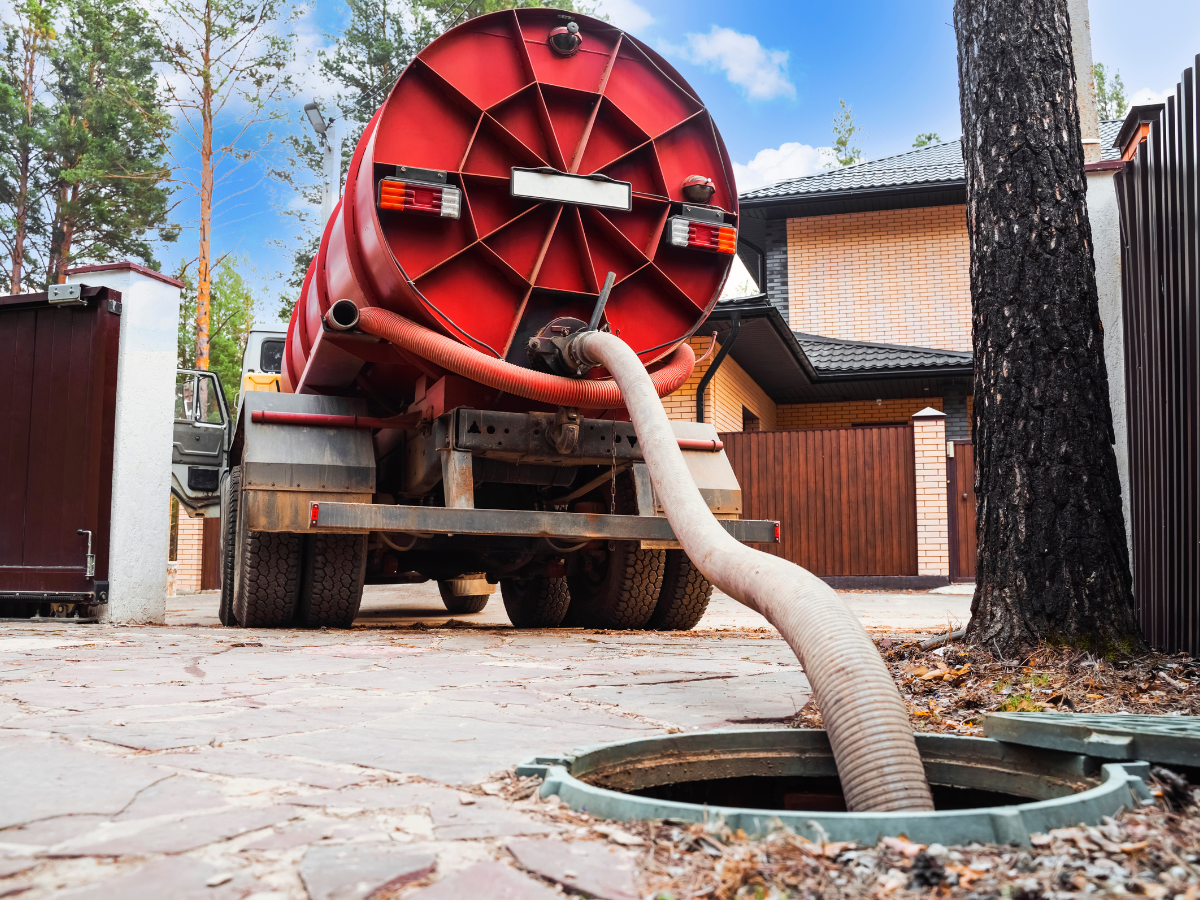
Regular Pumping:Most systems need pumping every 3-5 years to remove accumulated solids.
Water Conservation:Reducing water usage helps prevent system overload.
Proper Waste Disposal:Avoid flushing non-biodegradable items that can clog or damage your system.
Drain Field Protection:Keep vehicles and heavy equipment off your absorption field.
Working with pumping services, water quality testing labs, and septic system manufacturers ensures your system receives proper care throughout its lifecycle.
Septic systems must comply with various regulations:
Local Health Department Requirements:Each area has specific septic codes governing system design, installation, and maintenance.
EPA Guidelines:Federal regulations ensure septic systems protect public health and the environment.
Septic Permits:Required for new installations, replacements, and major repairs.
Regular Inspections:Many areas require periodic inspections to ensure continued compliance.
Rural Chautauqua County relies heavily on private septic systems — and installing or replacing one here is not a straightforward job. New York State DEC regulates septic installation and replacement, and seasonal high water tables in Chautauqua County’s lake communities directly affect what type of system can be installed on a given property. Mound systems, alternative designs, and specific setback requirements are all part of the picture. McCandless has been navigating these regulations and soil conditions across Chautauqua County since 1975.
McCandless Plumbing & Excavation serves Jamestown and the surrounding Chautauqua County communities, including Dunkirk, Fredonia, Lakewood, Westfield, Mayville, Falconer, Bemus Point, and Findley Lake.
For service inquiries, call (716) 403-2478.