

Understanding the various types of septic tanks is crucial for homeowners — especially when it comes to repair costs. Different materials and designs can significantly impact the longevity and maintenance needs of these systems. This article explores how septic tank types influence repair costs, providing valuable insights into your options. By examining the characteristics of concrete, plastic, and fiberglass tanks, we uncover the factors that contribute to repair expenses. We also discuss the role of excavation and maintenance in those costs, helping homeowners throughout Chautauqua County make informed decisions about their septic systems.
What Are the Common Types of Septic Tanks and Their Characteristics?
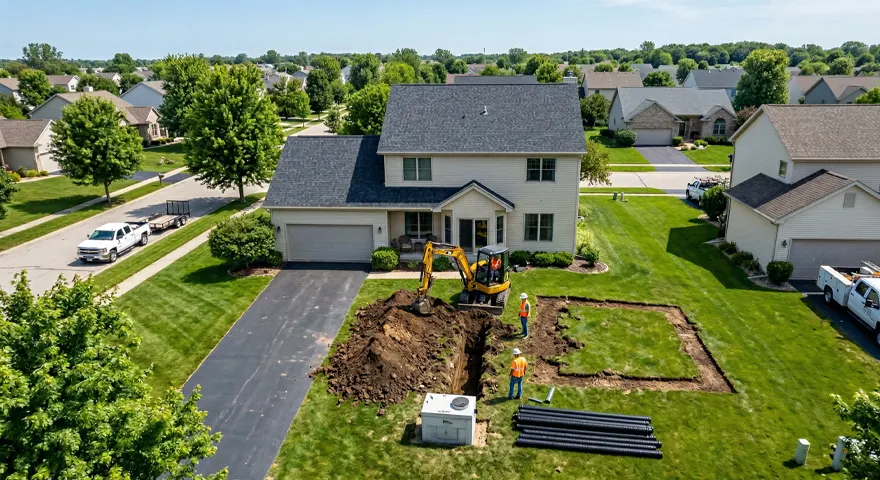
Septic tanks are essential components of wastewater management systems, and their types vary based on material and design. The most common types include concrete, plastic, and fiberglass — each with unique characteristics that affect their performance and maintenance. If you’re not sure what type of system you currently have, our team can assess it during a septic system inspection.
How Do Concrete, Plastic, and Fiberglass Septic Tanks Differ?
Concrete septic tanks are known for their durability and strength, making them a popular choice for many homeowners. They can withstand heavy loads and are less likely to shift in high water tables. However, they can develop cracks over time, which may lead to costly repairs or leaks.
Plastic septic tanks are lightweight and resistant to corrosion, making them easier to install. They are generally less expensive than concrete tanks but may have a shorter lifespan. Homeowners should consider local soil conditions when choosing plastic tanks, as they can be more susceptible to damage in unstable environments — and are not permitted in all municipalities.
Fiberglass septic tanks offer a middle ground between concrete and plastic. They are lightweight, resistant to corrosion, and less prone to cracking. However, they tend to be more expensive upfront than both concrete and plastic options. According to Angi’s concrete vs. plastic septic tank guide, each material has distinct trade-offs in cost, longevity, and installation requirements that homeowners should weigh carefully. Ongoing research continues to explore the benefits of modern alternatives like Fiberglass Reinforced Plastic (FRP) septic tanks over conventional options, particularly around durability and leakage prevention.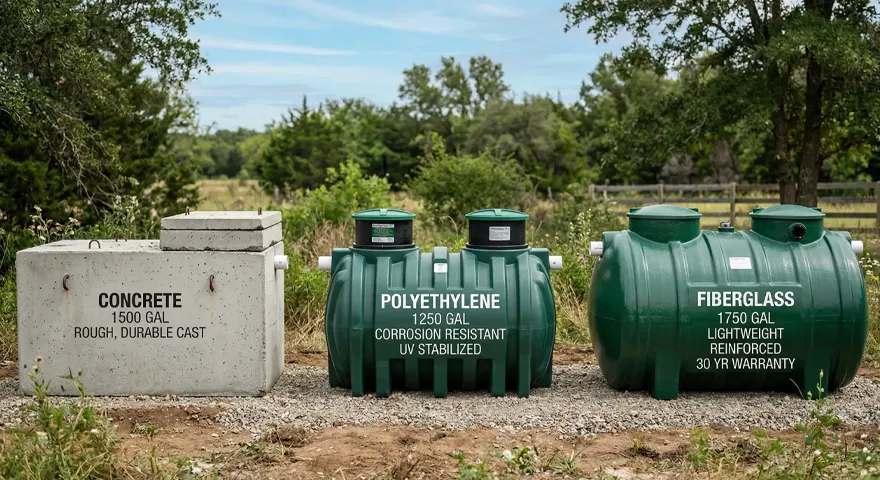
What Is the Typical Lifespan and Durability of Each Septic Tank Type?
The lifespan of septic tanks varies significantly by material. Concrete tanks can last 40 to 50 years with proper maintenance, while plastic tanks typically have a lifespan of around 30 years. Fiberglass tanks usually fall somewhere in between, lasting about 30 to 40 years depending on environmental conditions and maintenance practices.
| Tank Type | Typical Lifespan | Key Strength | Key Weakness |
|---|---|---|---|
| Concrete | 40–50+ years | Extremely durable; stays in place | Prone to cracking; heavy to install |
| Plastic (Polyethylene) | 20–30 years | Lightweight; corrosion-resistant; affordable | Can shift or float; not permitted everywhere |
| Fiberglass | 30–40 years | Corrosion-resistant; lighter than concrete | Higher upfront cost; can crack during install |
Factors affecting durability include soil conditions, water table levels, and the frequency of maintenance. Regular inspections and pumping can extend the life of any septic tank, reducing the likelihood of costly repairs or replacements.
How Does Septic Tank Material Affect Repair and Replacement Costs?
The material of a septic tank plays a significant role in determining repair and replacement costs. Different materials have varying susceptibility to damage, which can influence the frequency and type of repairs needed. Understanding these distinctions is especially important for homeowners in Western New York, where soil conditions and seasonal ground movement can accelerate wear on certain tank types.
What Repair Cost Factors Are Influenced by Tank Material?
Repair costs can vary based on several factors related to the tank material. Concrete tanks may require repairs due to cracking, which can lead to leaks and environmental issues. Plastic tanks, while less prone to cracking, may need replacement sooner if they become damaged or shift in the soil. Labor costs also differ depending on the material — concrete tanks often require more labor-intensive repairs, while plastic tanks can be easier to handle. According to U.S. News Real Estate’s septic system cost guide, some locations require mandatory compliance inspections, and upgrading an outdated system to meet new regulations can add significant unexpected expense to what seems like a routine repair.
If your tank is showing early signs of trouble, our septic tank repair team can diagnose the issue and help you understand whether a targeted fix or a full replacement makes the most financial sense for your property.
When Is Replacement More Cost-Effective Than Repair?
In some cases, replacing a septic tank may be more cost-effective than repairing it. Signs that replacement is needed include frequent repairs, significant structural damage, or a tank that has reached the end of its lifespan. A practical rule of thumb: if repair costs exceed 50% of the replacement cost, it is often time to consider a new installation. Long-term savings can be achieved by investing in a more durable tank that requires less maintenance going forward.
McCandless Tip: Homeowners sometimes discover that their concrete tank from the 1970s or 1980s has been quietly leaking for years. A video inspection before committing to repairs can reveal whether the structure is still sound — or whether replacement is the smarter investment. Ask us about our inspection process.
What Is the Role of Excavation and Repair Processes in Septic Tank Costs?
Excavation is often a necessary part of septic tank repairs, and it can significantly impact overall costs. Understanding when excavation is required and how it affects expenses is crucial for homeowners budgeting for this type of work. McCandless Plumbing & Excavation handles both the plumbing and the groundwork — our full-service excavation services mean you work with one team from start to finish, with no coordination gaps or surprise subcontractor markups.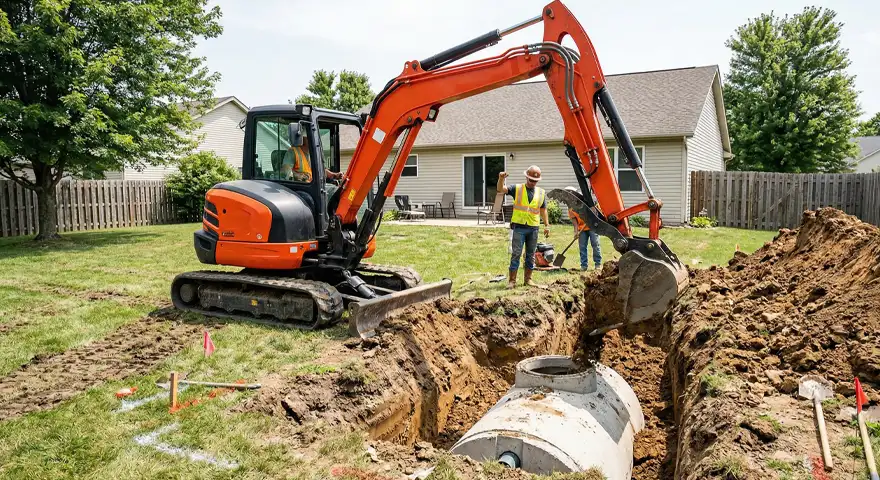
When Is Excavation Necessary for Septic Tank Repairs?
Excavation may be necessary in several situations: when a tank is leaking, has collapsed, or needs to be replaced entirely. Signs of septic failure — such as sewage backups, foul odors near the drain field, or unusually green patches of grass — often indicate that excavation is required to access the tank for a thorough assessment and repair. The type of repair needed will also influence excavation requirements; replacing a tank typically requires more extensive digging than a targeted seal or baffle repair.
How Do Excavation Complexity and Labor Impact Overall Repair Expenses?
The complexity of excavation can vary based on the location and condition of the septic tank. If the tank is buried deep, located beneath landscaping, or situated in an area with limited equipment access, the excavation process may be more labor-intensive and costly. Labor costs fluctuate based on time, equipment requirements, and soil conditions. In Chautauqua County, homeowners can generally expect excavation as part of a septic repair job to range from $1,200 to $3,500 depending on scope — a factor worth building into any repair budget from the outset.
What Maintenance Tips and Local Regulations Affect Septic System Repair Costs?
Regular maintenance is essential for prolonging the life of a septic system and minimizing repair costs. Homeowners should also be aware of local regulations that may influence their maintenance practices and the total cost of any permitted work.
How Can Regular Maintenance Reduce Repair and Replacement Expenses?
Regular maintenance — such as pumping the tank every three to five years and scheduling periodic system inspections — can help prevent costly repairs. Homeowners who stay proactive can identify potential issues before they escalate, saving thousands in the long run. Research on septic system operation and maintenance confirms that the chosen management approach directly influences per-capita cost over the life of the system, and that routine upkeep consistently outperforms reactive repair as a financial strategy. Additionally, maintaining proper water usage habits — such as avoiding flushing non-biodegradable items and minimizing grease going down drains — reduces strain on the system and extends its lifespan.
For homes that also struggle with yard water management, pairing regular septic maintenance with proper yard drainage solutions can prevent excess groundwater from stressing the tank and drain field — a common issue in Western New York’s freeze-thaw climate.
What Local Chautauqua County Regulations Influence Septic Repair Costs?
In Chautauqua County, local regulations may dictate specific maintenance practices, installation standards, and permit requirements for septic systems. Depending on the scope of work, homeowners may need approval from the Chautauqua County Department of Health before repairs begin. Compliance with these requirements can add to upfront costs, but it also protects homeowners from fines and ensures the system meets environmental standards that protect groundwater quality across the region.
The McCandless team has navigated the local permitting process for hundreds of projects across Jamestown, Lakewood, Falconer, Dunkirk, and surrounding communities. We handle the regulatory side so you can focus on getting your system back in working order. For a full picture of available services — from design and installation to inspection and repair — visit our septic system services page or contact us to speak with a local expert today.