Downspout Drain

Chautauqua County's Downspout Drain Services

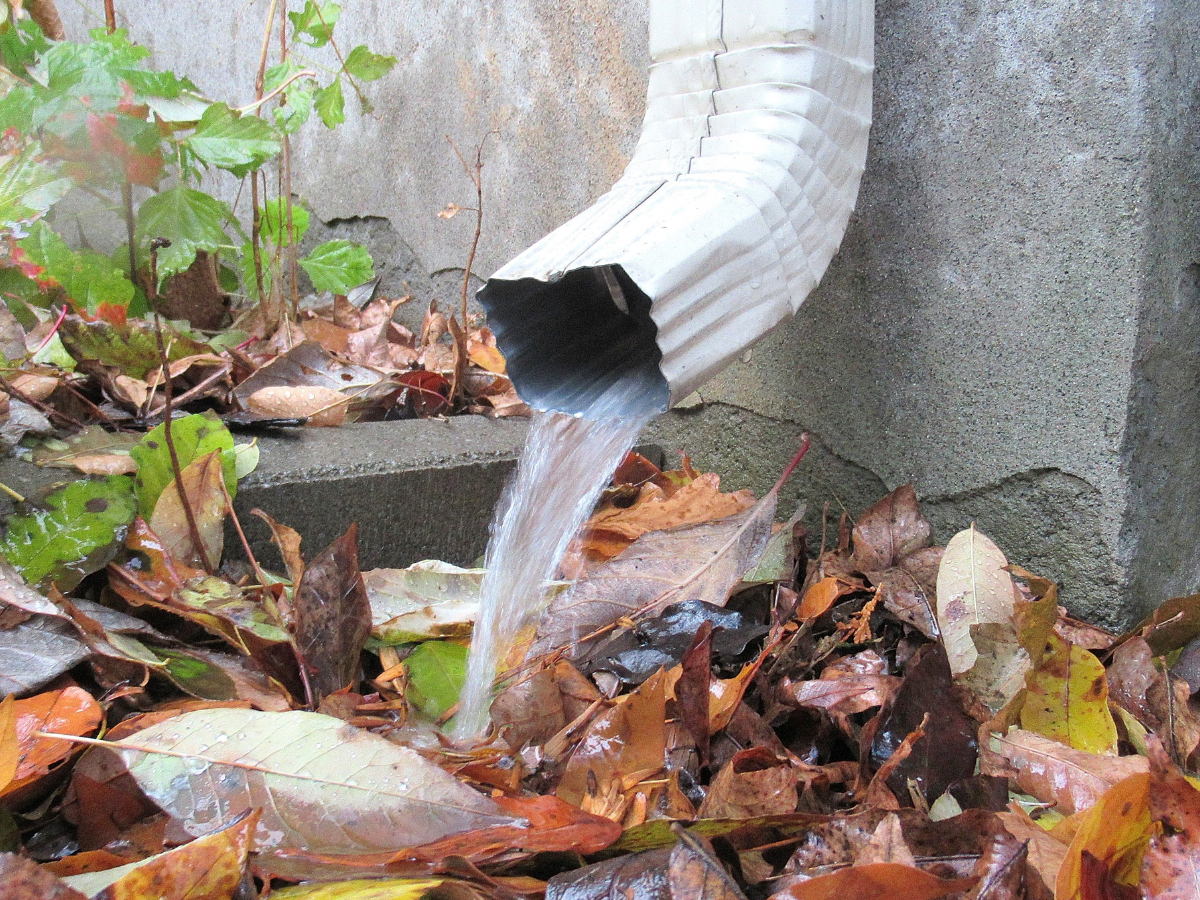
Downspouts do more than move rainwater off your roof. Without a proper drain system, that water can pool around your home, causing serious problems like basement flooding, soil erosion, and even foundation cracks.
At McCandless Plumbing & Excavation, we install and repair downspout drain systems that protect your home and yard. Whether you’re in Jamestown, Fredonia, Dunkirk, or anywhere across Chautauqua County, we help keep your property dry, safe, and structurally sound.

Why Do You Need a Properly Installed Downspout Drain?

Rainwater that runs off your roof can create big problems if it is not directed away from your home. If downspouts pour water right next to your foundation, that moisture can soak into the soil and work its way into your basement or crawl space.

A downspout drain safely carries rainwater away from your home, helping you avoid:

  • Basement or crawl space flooding 
  • Soil erosion along the sides of your house 
  • Mold and mildew from constant dampness 
  • Cracks or shifts in your foundation 
  • Icy patches in winter near your walkways

Whether you need a new system or want to fix an old one, we can help. 

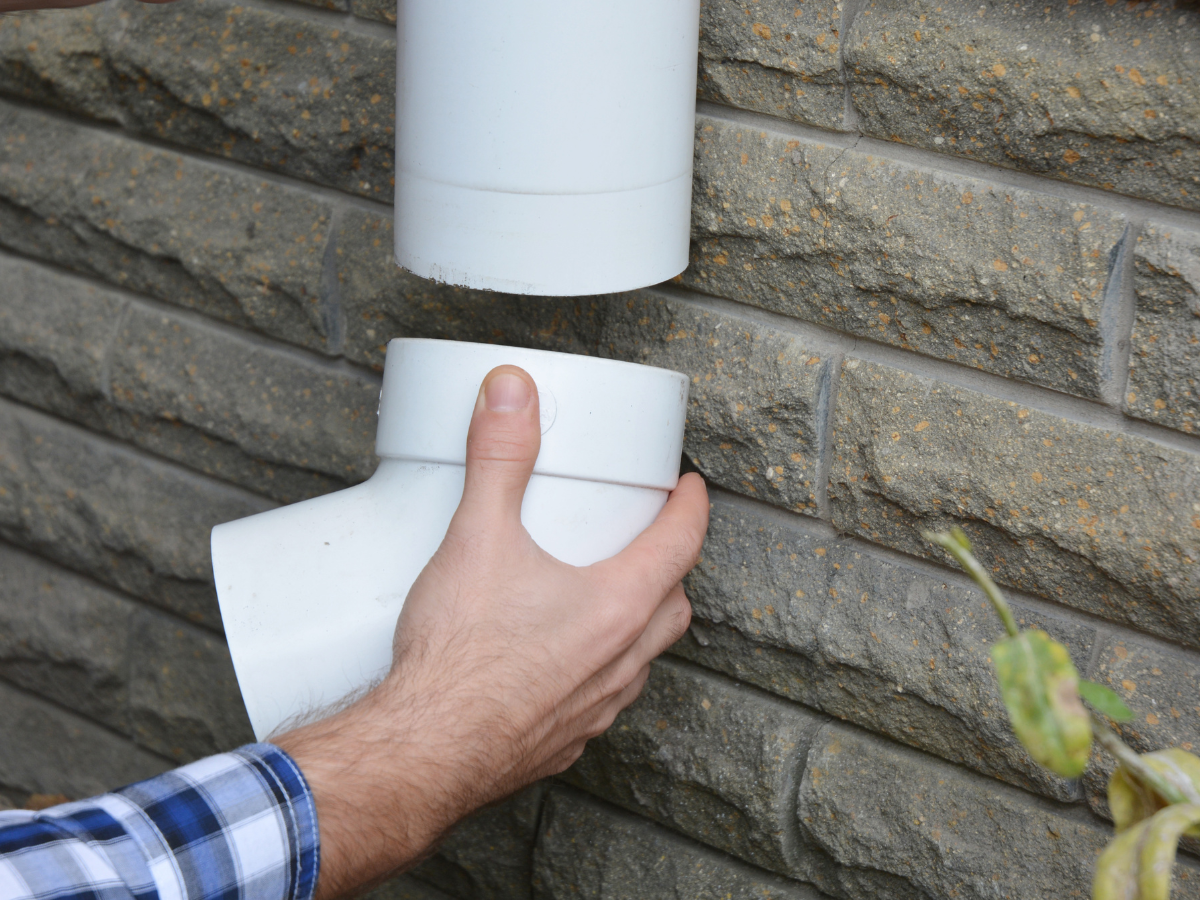
McCandless Plumbing & Excavation worker checks and connects a pipe, getting drainage ready for a possible sewer camera inspection.

How Does a Downspout Drain Work?

A downspout drain connects your roof gutters to a drainage system that moves water away from your home. This can be done above ground or below, depending on your property and preferences.

Water from the roof flows through the gutter, then into the downspout. From there, it travels through a pipe that carries it to a safe drainage point such as a dry well, storm drain, or low area in the yard.

McCandless Plumbing & Excavation helps solve water drainage problems near buildings to prevent water damage and flooding.

Key Components of a Downspout Drain System

  • Gutters and downspouts to collect rain from the roof
  • Drain pipes to move water away from your home
  • Catch basins or pop-up emitters to direct water into the yard or drainage area
  • Optional filters or screens to stop leaves and debris from clogging the line

When these parts work together, your home stays dry even during heavy rain.