

Quick Answer: Tree roots in a sewer line in New York cause five telltale symptoms: slow or gurgling drains, recurring backups, sewage odors, and unusually green, soggy patches of lawn above the pipe. Roots enter through hairline cracks and loose joints in aging clay or cast-iron pipe, drawn by moisture, then expand until they restrict or block flow entirely. A professional camera inspection confirms the exact location and severity of the intrusion, and the fix ranges from hydro jetting or mechanical root cutting to full pipe replacement for severely damaged lines. McCandless Plumbing & Excavation offers camera inspections throughout Jamestown and Chautauqua County.
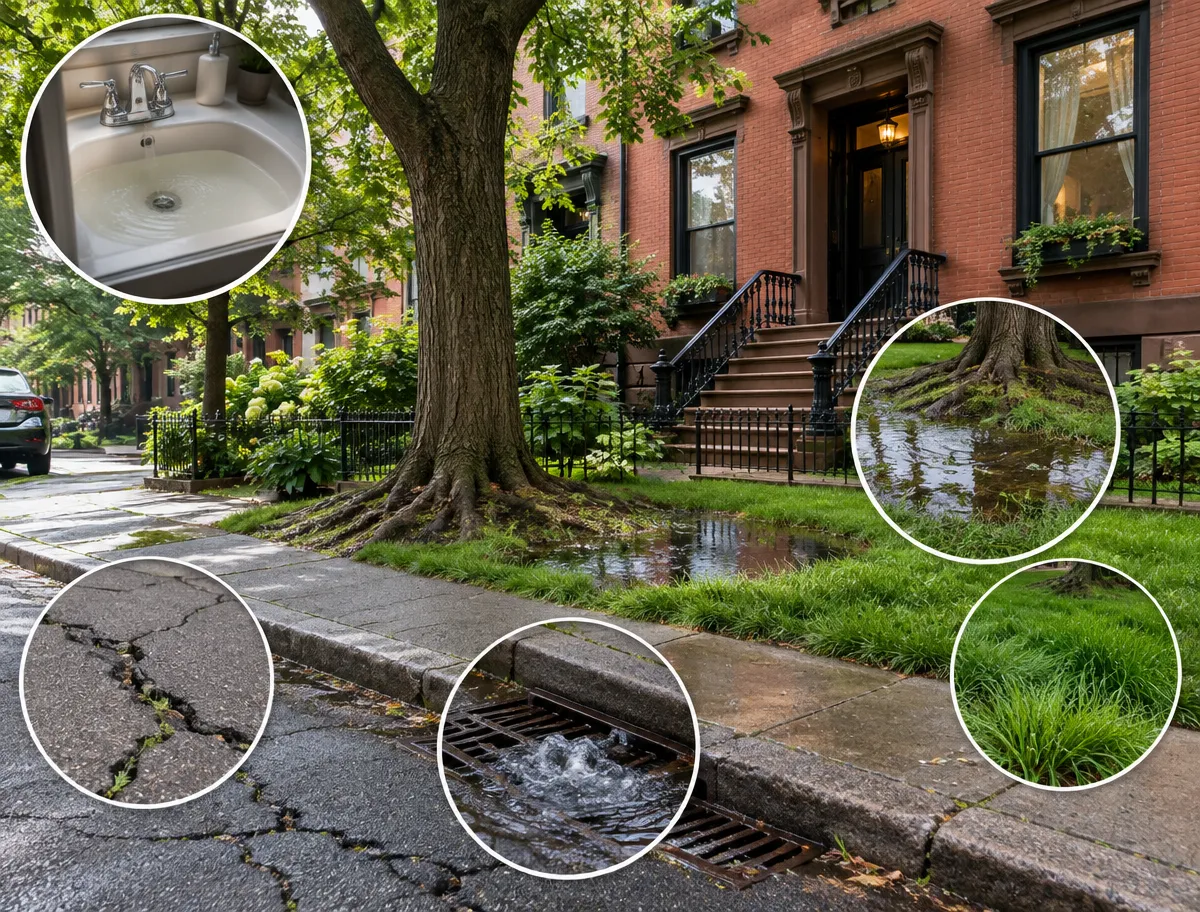
Tree roots rank as the leading cause of sewer line damage in New York homes, especially properties with aging clay or cast iron pipes. Five warning signs include slow drains, gurgling noises, sewage odors, soggy lawn patches, and recurring backups. McCandless Plumbing & Excavation, serving New York, diagnoses root intrusion and performs professional sewer line repair or replacement.
What Are the Key Takeaways on Tree Roots in Sewer Lines?
- Tree roots invade sewer lines seeking moisture, causing backups and costly damage to your Jamestown home.
- Five warning signs include slow drains, sewage odors, lush patches in your yard, and gurgling sounds.
- Root intrusion requires professional inspection with camera technology to identify damage location and severity accurately.
- McCandless provides sewer line solutions to prevent tree root problems before they compromise your system.
What Will This New York Sewer Root Guide Cover?
This guide walks New York homeowners through the full scope of tree roots in sewer line New York problems, from early warning signs to lasting repair options. Older homes across the state, especially those with original clay or cast iron piping, face heightened risk as mature trees settle in near underground lines.
Tree roots rank as the leading cause of sewer line damage in homes throughout New York, particularly where aging infrastructure sits beneath established trees. Ignoring early signs invites collapsed lines, sewage backups, and costly excavation down the road. Homeowners who understand how roots invade pipes catch trouble before a slow drain turns into a full blockage.
The guide covers:
- How tree roots locate and penetrate underground pipes
- Early warning signs inside the home, such as gurgling drains
- Pipe materials most vulnerable to root intrusion
- When a professional inspection becomes necessary
- Repair and replacement options for damaged sewer lines
Why Do Roots Target Sewer Pipes Specifically?
Roots grow toward moisture, and sewer lines carry a steady, reliable water source underground. Even a hairline crack or loose joint in clay pipe or cast iron pipe gives roots an entry point. Once inside, the root mass expands, catches debris, and eventually chokes off flow entirely.
Which New York Homes Face the Greatest Risk?
Properties with original clay pipe, cast iron, or other aging pipe materials carry the highest exposure, especially where large trees sit close to the lateral line. McCandless Plumbing & Excavation, based in Jamestown, NY, serves property owners across New York facing these root intrusion challenges.
Why Do Tree Roots Target New York Sewer Lines?
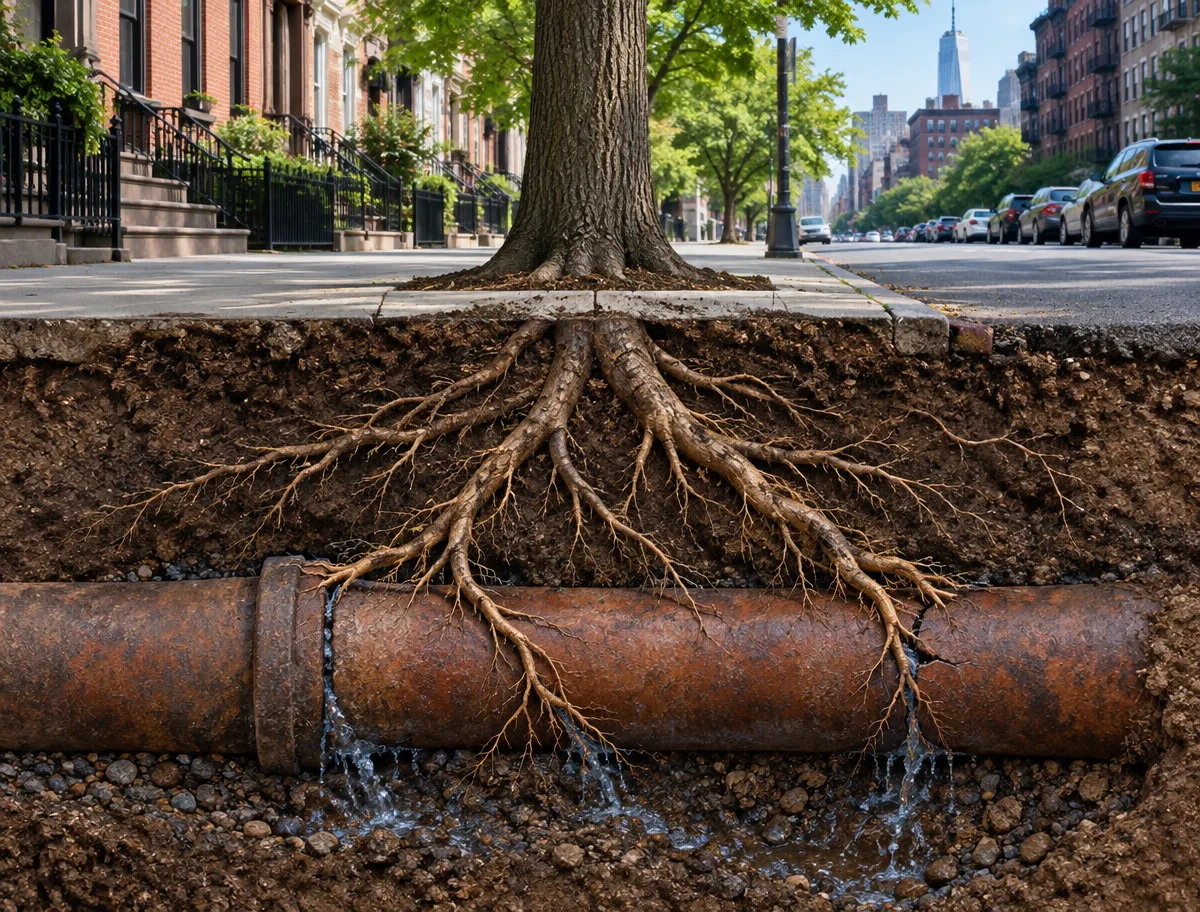
Moisture drives the search. Sewer pipes carry a steady supply of water and nutrients, and roots follow that underground signal wherever it leads. Across New York properties, mature trees planted decades ago now sit directly above aging clay and cast-iron lines, making that search dangerously easy.
New York homeowners often love their trees for good reason. A tall oak shading a driveway or a row of maples along a front yard adds real character to a property. That charm, though, can hide a slow-moving problem underground. Roots creep toward pipe joints and hairline cracks long before any surface sign appears. tree roots in sewer line New York properties often go unnoticed until a clog forces the issue.
How do roots actually get inside a sewer pipe?
Roots don’t punch through solid pipe walls. Instead, they exploit joints, seams, and existing cracks where moisture already escapes. Once a fine root finds that opening, it thickens over time and widens the gap, letting more roots follow — a process extension researchers describe in detail when explaining how roots and sewer lines interact.
Why are large, established roots so damaging?
New York’s older neighborhoods often feature decades-old trees with extensive root systems. Once a root finds an entry point, it can eventually break through the pipe wall entirely, not just clog it. That structural damage turns a simple blockage into a costlier repair, a pattern confirmed by national research on tree root intrusion in sewer systems.
Common warning conditions worth watching:
- Gurgling sounds from drains after flushing
- Slow drainage in multiple fixtures at once
- Backups that recur despite recent clearing
- Unusually lush, green patches over the sewer line’s path
McCandless Plumbing & Excavation serves New York homeowners facing these exact conditions, diagnosing root intrusion before it becomes a collapsed line.
📞 Ready to Get Started? Don’t wait for a slow drain to become a collapsed sewer line. Contact McCandless Plumbing & Excavation today for a professional camera inspection and a free, no-obligation quote on root intrusion repair in Jamestown and Chautauqua County.
What Are the 5 Warning Signs to Watch?
Five recurring symptoms signal root damage in a home’s underground pipes: slow drains, gurgling sounds, sewage odors, soggy lawn patches, and recurring backups. Recognizing tree roots in sewer line New York properties early prevents a minor clog from becoming a costly excavation project. New York’s mature street trees and older residential plumbing make this combination especially common across the state’s boroughs and suburbs.
Homeowners who suspect a problem should watch for a specific list of common warning signs rather than waiting for a full blockage. Catching these clues early gives a licensed plumber room to clear roots mechanically instead of replacing an entire pipe run.
- Slow-draining sinks and tubs throughout the house, not just one fixture
- Gurgling noises from toilets or drains after flushing or running water
- Sewage odors near the yard or basement floor drain
- Unusually green, soggy patches of lawn above the sewer line
- Frequent backups that return within weeks of clearing
Why does the toilet act up first?
Unexplained toilet trouble often becomes the earliest visible clue that roots are interfering with what’s happening beneath the lawn. Toilets sit closest to the main sewer line, so they register pressure changes and partial blockages before sinks or showers do. Gurgling, slow flushing, or water backing up into a tub during a flush all point toward root intrusion rather than a simple clog.
Is root damage actually common in New York homes?
Yes. Tree roots causing blockages, cracks, or even structural collapse in sewer lines are a relatively common issue for homeowners, particularly in neighborhoods with decades-old clay or cast-iron piping. New York’s older housing stock, paired with established shade trees along many streets, creates conditions where root systems naturally seek out the moisture inside aging pipe joints.
Ignoring these signs rarely resolves the underlying issue. A pipe that gurgles today can crack under sustained root pressure within months, turning a routine service call into emergency excavation and raising the risk of a sanitary sewer overflow. McCandless Plumbing & Excavation, a Jamestown, NY-based company serving New York homeowners, encourages residents to schedule an inspection at the first sign of slow drains or sewage odor rather than waiting for a complete backup.
How Do You Confirm and Fix Root Intrusion?
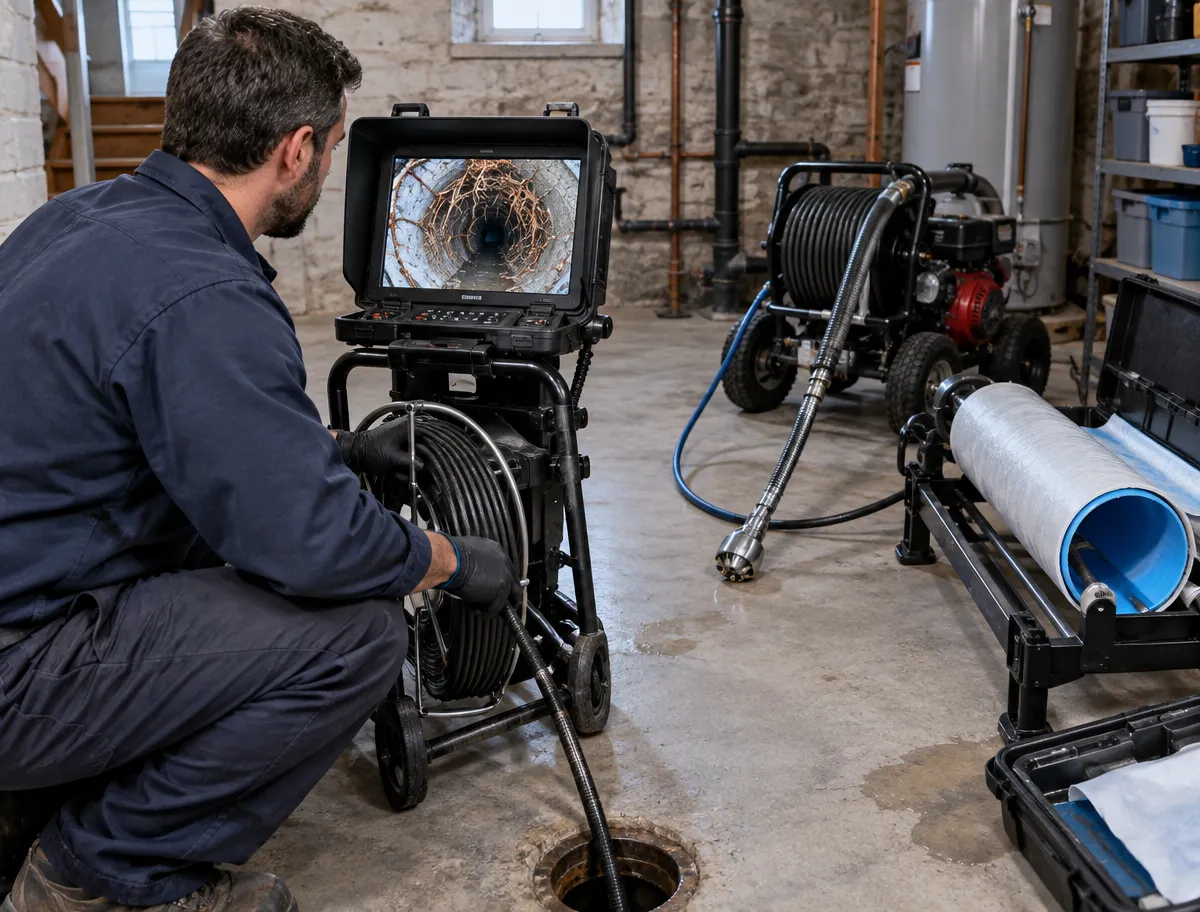
Confirmation starts with a camera inspection, not guesswork. A licensed plumber threads a video scope through the line to see exactly where roots have entered and how much damage they’ve caused. Guesswork costs money; a camera doesn’t lie about what’s underground.
New York homeowners with older properties face particular risk. Many aging sewer systems in the region were built from clay pipe, cast iron, or Orangeburg pipe, materials that deteriorate with age and eventually collapse without warning. A collapsed line rarely announces itself in advance. Slow drains and gurgling pipes are the early clues, and they deserve attention before the pipe fails completely.
Ground movement complicates matters further. Construction nearby, seasonal freeze-thaw cycles, and natural soil settling shift underground pipe sections out of alignment, producing bellied pipes, offset joints, and separations that block proper drainage. These conditions often invite root intrusion in the first place. tree roots in sewer line New York properties tend to seek out any crack or gap where moisture escapes.
Once the inspection identifies the problem, the repair path typically follows these steps:
- Complete a camera inspection to locate roots, cracks, or collapsed sections.
- Review pipe material and age to judge whether repair or full replacement makes sense.
- Receive a written estimate outlining every option before any work begins.
- Approve the scope of work and schedule excavation or trenchless repair.
- Confirm the line flows freely with a follow-up inspection.
Does Root Damage Always Mean Full Pipe Replacement?
Not always. Localized root intrusion in a short section sometimes allows for spot repair rather than replacing the entire lateral line. Severely deteriorated clay or Orangeburg pipe, however, usually needs full replacement since patching aging material rarely holds.
What Should Homeowners Expect From a Written Estimate?
A written estimate follows the camera inspection and spells out every repair or replacement option before work starts. No New York homeowner should authorize excavation without seeing costs and scope in writing first.
What Mistakes Should New York Homeowners Avoid?
Certain landscaping and maintenance choices put New York properties at unnecessary risk. Planting shade trees too close to a sewer line ranks among the most common errors homeowners make. A tree that boosts curb appeal and shades a patio during a humid New York summer can still wreak havoc on home plumbing once its roots find their way toward buried pipes. Many New York municipalities now offer a service line protection program to help homeowners offset the cost of unexpected repairs.
Ignoring warning signs ranks as the second major mistake. Ongoing tree roots in sewer line New York situations often start small, with a minor blockage or slow drain. Left unaddressed, that same intrusion risks a cracked pipe or full structural collapse underground.
How long can a homeowner safely wait after noticing symptoms?
Waiting rarely pays off. Delaying action after spotting slow drains or gurgling pipes turns a manageable, affordable repair into an expensive emergency.
What’s the safest approach to protecting a sewer line?
- Watch for early symptoms — slow drains, gurgling noises, or recurring backups.
- Avoid assuming the issue will resolve on its own.
- Schedule a professional inspection before the damage spreads.
Common mistakes New York homeowners should avoid:
- Planting large trees directly above or near underground sewer lines
- Dismissing recurring drain slowdowns as minor annoyances
- Postponing professional evaluation once symptoms appear
- Attempting DIY fixes on suspected structural pipe damage
TL;DR — Tree Roots in Sewer Lines at a Glance
- Tree roots are the leading cause of sewer line damage in older New York homes with clay or cast-iron pipe.
- Watch for five warning signs: slow drains, gurgling noises, sewage odors, soggy green lawn patches, and recurring backups.
- Roots enter through existing cracks and joints, drawn underground by moisture and nutrients inside the pipe.
- Left untreated, root intrusion can progress from a simple clog to a collapsed line and costly excavation.
- Removal options range from hydro jetting and mechanical cutting to full replacement for severely damaged pipe.
- Next step: Schedule a camera inspection with McCandless Plumbing & Excavation to confirm root intrusion and get a written repair estimate.
Frequently Asked Questions
What are the warning signs of tree root intrusion in a sewer line?
Gurgling drains, slow flushes, sewage odors, soggy lawn patches, and recurring clogs all signal root intrusion in Jamestown, NY sewer lines. These signs point to roots restricting or blocking flow inside the pipe.
Which New York homes face the greatest risk of root intrusion?
Homes with mature trees planted near original clay or cast-iron piping face the greatest risk of root intrusion, a common combination in New York’s older neighborhoods.
What should a homeowner do after noticing these warning signs?
McCandless recommends scheduling a camera inspection immediately, since catching root damage early prevents full pipe collapse and costly line replacement. McCandless Plumbing & Excavation, based in Jamestown, NY, diagnoses root intrusion and performs sewer line repair or replacement.
What happens if tree root intrusion in a sewer line is left untreated?
Untreated root intrusion typically gets worse over time. A minor clog can progress into a cracked or fully collapsed pipe, causing sewage backups into the home and requiring expensive emergency excavation. Addressing warning signs early with a camera inspection keeps repair options less invasive and less costly.
How do plumbers remove tree roots from a sewer line?
Licensed plumbers typically use hydro jetting to clear roots and debris with high-pressure water, or mechanical cutting tools to physically remove the blockage. Root killer treatments can slow regrowth between services. When a pipe is severely cracked or collapsed, full replacement is usually the more reliable long-term fix.
Related Resources
- Drainage & Excavation Services
- Chautauqua County Service Area
- Sewer Camera Inspection in Jamestown, NY
- Drain Camera Inspection in Chautauqua County
- Sewer Camera Inspection Cost in Western New York
- Sewer Inspection Before Buying a House in Chautauqua County
Get a Free Sewer Camera Inspection
Recognizing the warning signs of tree root intrusion — slow drains, gurgling noises, sewage odors, soggy lawn patches, and recurring backups — protects your sewer line from costly damage and keeps your property running reliably. Swift action, whether a professional camera inspection, hydro jetting, or full excavation, keeps a minor issue from becoming a major repair. Your sewer line deserves the same attention you give other critical home systems. Contact McCandless Plumbing & Excavation today for a free, no-obligation quote.
About McCandless Plumbing & Excavation: McCandless Plumbing & Excavation has proudly served Jamestown, NY and Chautauqua County since 1975, specializing in sewer line repair and replacement, water line services, septic systems, drainage, and excavation. The licensed, insured team is available 24/7 for emergencies. Contact us today for a free, no-obligation quote.