

Purchasing a home is one of the most significant investments many people will make in their lifetime. If you’re on the fence about adding a sewer inspection to your home purchase checklist in Chautauqua County, it’s important to understand why this step is essential. Older homes in this region often come with aging sewer systems that are vulnerable to issues like tree root intrusion—a common problem here. The cost of repairing sewer lines can be substantial, often far exceeding the price of a thorough sewer inspection. This article makes a clear, evidence-based case for why a sewer inspection is a smart investment that can save you money and stress.
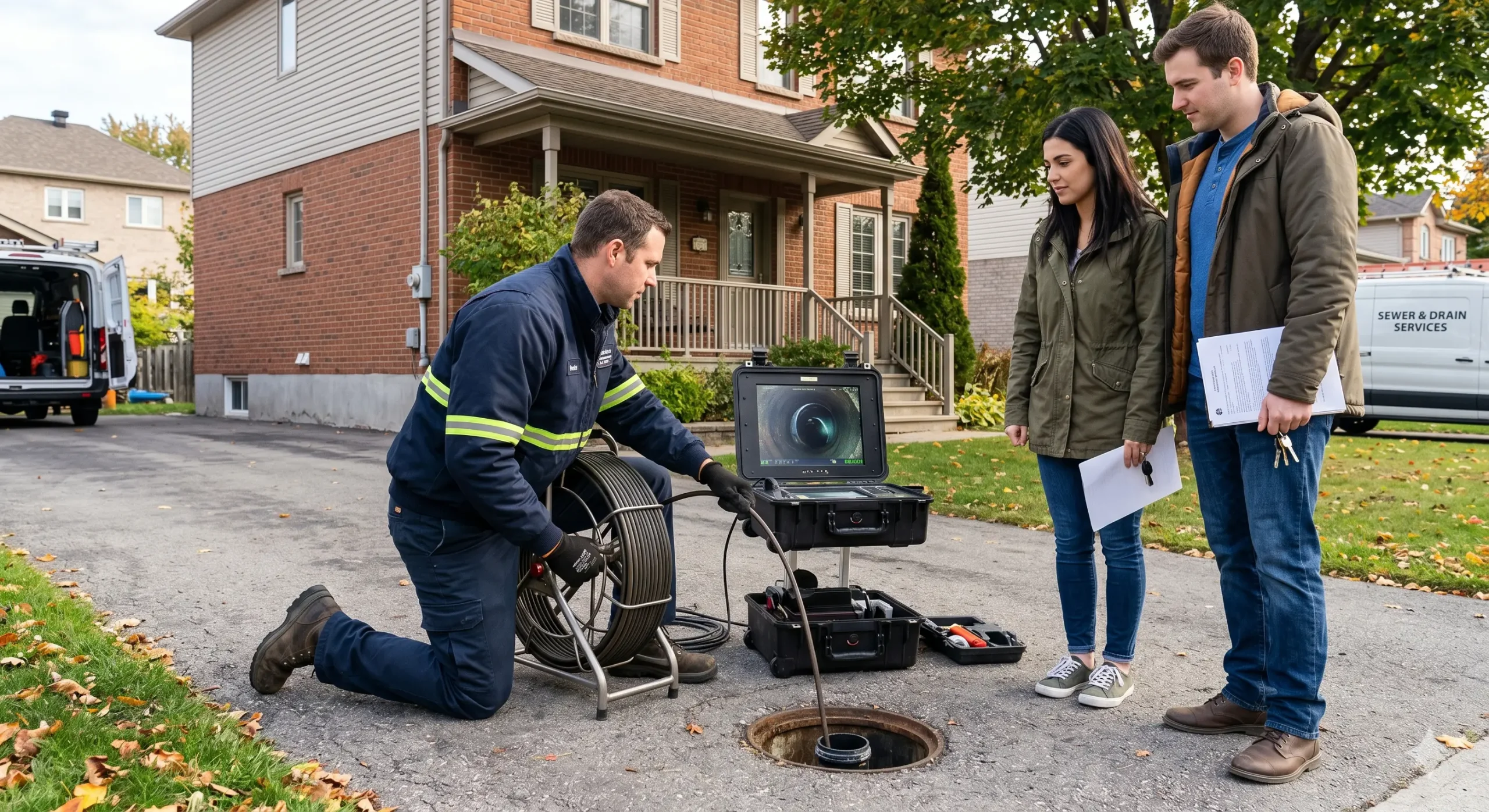
Many buyers assume that a general home inspection covers everything, but sewer systems require specialized evaluation. We’ll address common objections such as “the inspector already checked everything” and explain why sewer inspections are a necessary addition to your due diligence. You’ll learn what a sewer inspection entails, the typical costs involved, and how early detection of sewer problems can protect your investment.
Why a Sewer Inspection Is Essential for Chautauqua County Homebuyers
Chautauqua County’s housing stock includes many older homes with sewer systems that have been in place for decades. Over time, these systems are prone to deterioration, cracks, and blockages. One of the most common and costly issues in this region is tree root intrusion. Roots from nearby trees can penetrate sewer lines, causing blockages and damage that lead to backups and expensive repairs.
While a general home inspector may check visible plumbing and drainage, sewer lines are often underground and out of sight. Without a specialized sewer inspection, these hidden problems can go unnoticed until they cause major damage. The cost of repairing or replacing sewer lines can easily run into thousands of dollars, whereas a sewer inspection typically costs between $200 and $400. This relatively small investment can prevent unexpected expenses and provide peace of mind.
What Does a Sewer Inspection Include in Chautauqua County?
A sewer inspection in Chautauqua County typically involves a thorough examination of the sewer lines using advanced camera technology. This process allows inspectors to identify common issues such as blockages, cracks, and root intrusions. The inspection includes documenting findings and providing a detailed report to the homeowner. This information is vital for understanding the condition of the sewer system and any necessary repairs.
The use of camera technology enhances the inspection process, allowing for a non-invasive look into the sewer lines. This method not only saves time but also provides a clear view of the sewer’s condition, ensuring that any potential problems are accurately identified.
Which Steps Are Involved in the Sewer Line Inspection Process?
The sewer line inspection process involves several key steps:
- Initial Assessment: Inspectors begin by assessing the property for visible signs of sewer issues, such as slow drains or sewage backups.
- Scheduling the Inspection: Once initial signs are noted, the inspection is scheduled, often requiring access to cleanouts or other entry points.
- Conducting the Inspection: During the inspection, a camera is inserted into the sewer line to capture real-time footage of the interior, allowing for a comprehensive evaluation.
These steps ensure that the inspection is thorough and that any issues are documented for the homeowner’s review.
How Does Sewer Camera Inspection Enhance Detection?
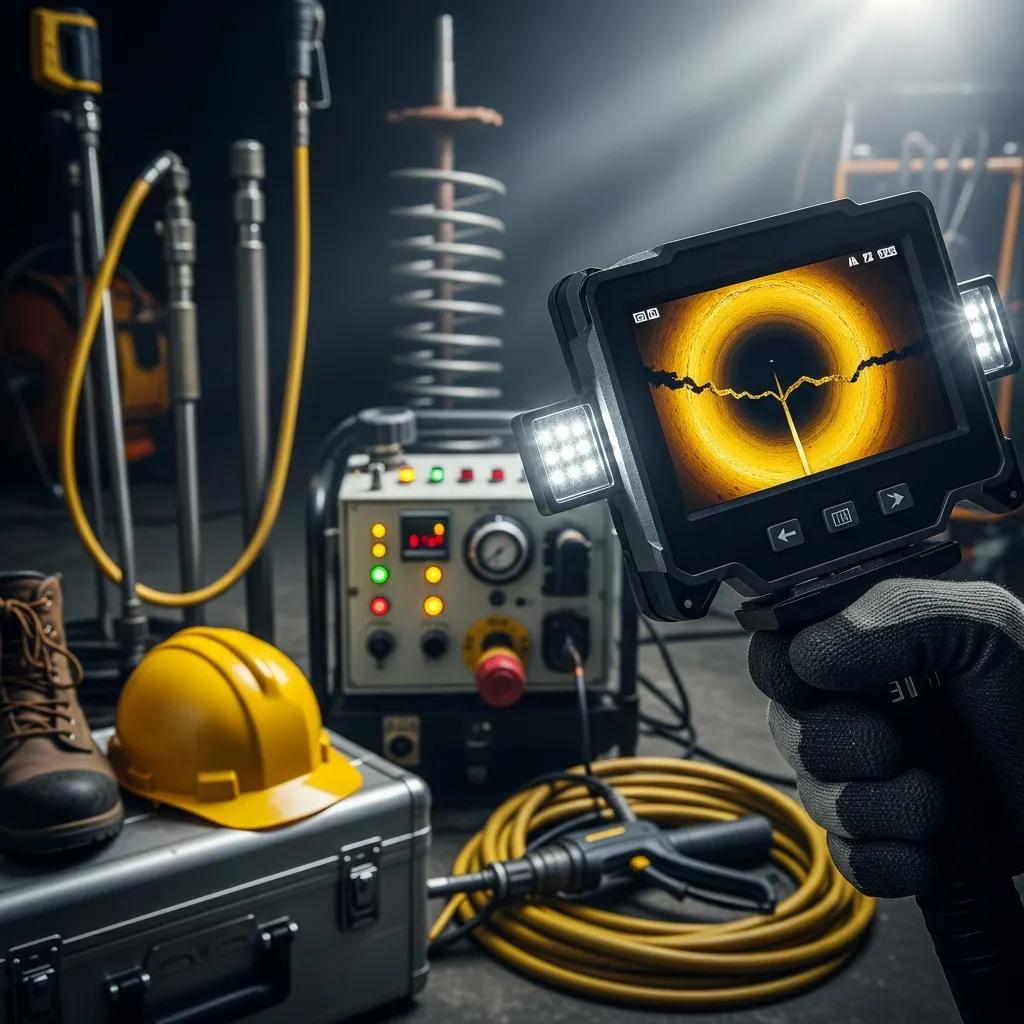
Sewer camera inspections significantly enhance the detection of issues within sewer lines. By utilizing high-resolution cameras, inspectors can accurately diagnose problems without the need for excavation. This method provides several benefits:
- Accurate Diagnosis: The camera allows for precise identification of issues, such as cracks or blockages, which can be difficult to detect otherwise.
- No Excavation Required: This non-invasive approach saves time and reduces the disruption to the property.
- Cost Savings: Early detection of problems can lead to more affordable repairs, as issues can be addressed before they escalate.
The efficiency and effectiveness of sewer camera inspections make them a valuable tool for homebuyers.
Due Diligence: What General Home Inspection Might Miss
Many buyers believe that the general home inspection covers all potential issues, including sewer lines. However, standard home inspections typically do not include detailed sewer line evaluations because these systems are underground and require specialized equipment to assess properly.
Without a sewer camera inspection, problems like root intrusion, pipe cracks, or blockages can remain hidden. These issues often do not manifest as visible symptoms until they become severe, leading to costly repairs or emergency situations. Adding a sewer inspection ensures you have a complete picture of the home’s condition and avoid surprises after closing.
How Much Does a Home Sewer Inspection Cost in Chautauqua County?
The average cost of a home sewer inspection in Chautauqua County ranges from $200 to $400. This price can vary based on several factors, including the complexity of the sewer system and the specific services provided.
Understanding the cost of sewer inspections is essential for budgeting purposes. While it may seem like an additional expense, the potential savings from identifying issues early can far outweigh the initial investment.
| Service | Cost | Description |
|---|---|---|
| Basic Sewer Inspection | $200 | Standard inspection using camera technology. |
| Comprehensive Inspection | $400 | Detailed inspection with a full report and recommendations. |
| Follow-Up Inspection | $100 | Re-inspection after repairs have been made. |
This table illustrates the various services available and their associated costs, helping homeowners make informed decisions.
What Factors Influence Sewer Inspection Pricing?
Several factors can influence the pricing of sewer inspections, including:
- Length and Complexity of the Sewer System: Larger or more complex systems may require more time and resources to inspect.
- Condition of the Pipes: Older or damaged pipes may necessitate additional inspection techniques, increasing costs.
- Accessibility of Sewer Lines: If sewer lines are difficult to access, this can add to the overall inspection cost.
Understanding these factors can help homeowners anticipate potential costs and plan accordingly.
Are There Cost Benefits to Early Sewer Inspections?
Conducting sewer inspections early can provide significant cost benefits for homebuyers. Some of the advantages include:
- Avoiding Unexpected Expenses: Identifying issues before purchasing a home can prevent costly repairs after the sale.
- Negotiation Leverage: Homebuyers can use inspection findings to negotiate repairs or price reductions with sellers.
- Peace of Mind: Knowing the condition of the sewer system can alleviate concerns and provide confidence in the home purchase.
These benefits highlight the importance of prioritizing sewer inspections during the home buying process.
Why Is a Septic System Inspection Important Before Buying a House?
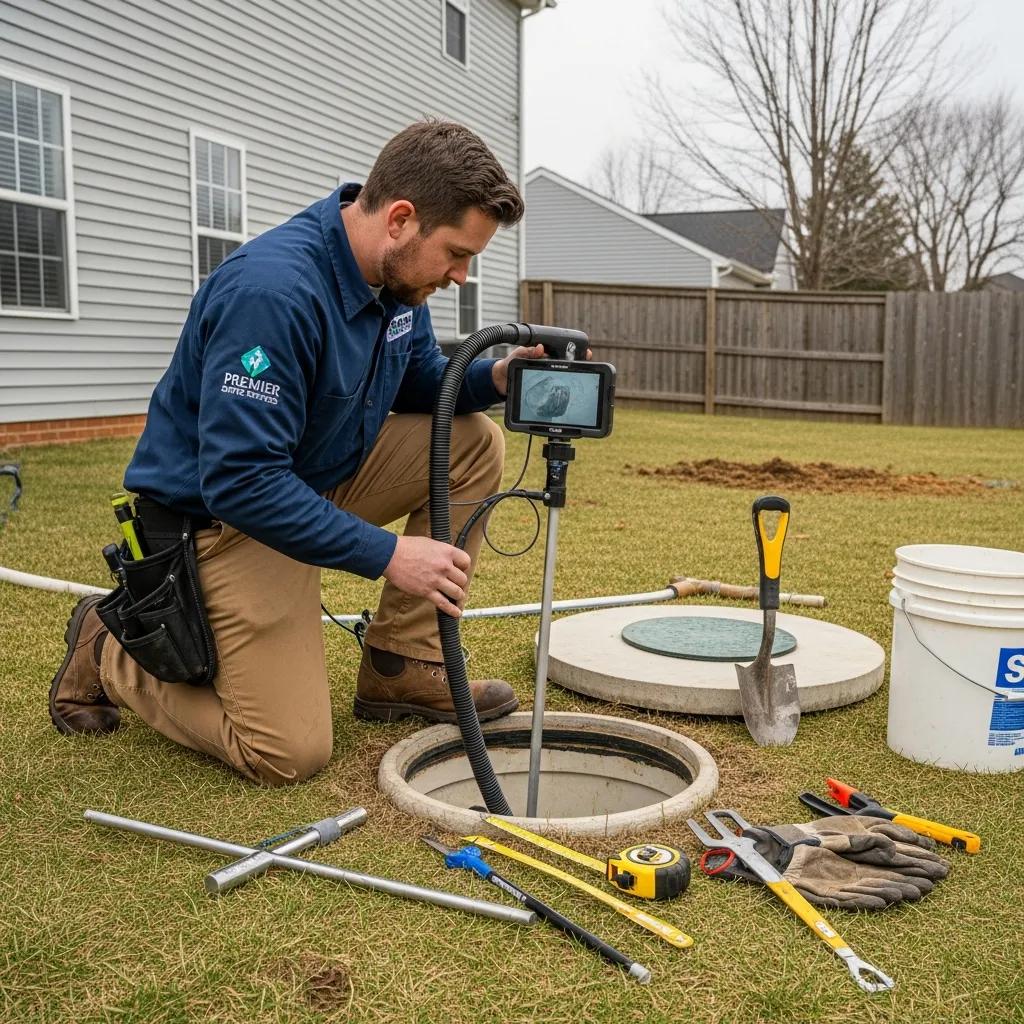
A septic system inspection is equally important as a sewer inspection when purchasing a home. This inspection assesses the condition of the septic system, which can significantly impact property value and livability. According to the Chautauqua County Department of Health’s wastewater treatment system inspection guidelines, proper inspection of these systems is essential before any real estate transaction.
Key reasons for conducting a septic system inspection include:
- Impact on Property Value: A failing septic system can lead to decreased property value and costly repairs.
- Hidden Issues Revealed: Inspections can uncover problems that may not be visible during a standard home inspection.
- Negotiation Opportunities: Homebuyers can negotiate repairs or price adjustments based on the inspection findings.
Understanding the condition of the septic system is crucial for making an informed home purchase.
What Are Common Septic Issues Found in Chautauqua County Homes?
In Chautauqua County, several common septic issues may arise, including:
- Tree Root Intrusion: Roots can penetrate septic lines, causing blockages and damage that may require septic repair.
- Frost Heave and Ground Shifting: Seasonal changes can affect the stability of septic systems, leading to failures.
- Aging Pipe Materials: Older materials may deteriorate over time, necessitating repairs or replacements.
Being aware of these issues can help homebuyers take proactive measures to address potential problems.
What Plumbing Inspection Checklist Should Home Buyers Use?
Homebuyers should consider using a plumbing inspection checklist to ensure a thorough evaluation of the plumbing system. Key items to include are:
- Sewer Camera Inspection: Verify that a camera inspection of the sewer lines has been conducted.
- Pipe Material Assessment: Check the materials used in the plumbing system for durability and potential issues.
- Flow Testing: Ensure that all fixtures are tested for proper drainage and flow.
This checklist can serve as a valuable tool for homebuyers to ensure that all aspects of the plumbing system are evaluated.
How Do Sewer and Septic Inspections Integrate with Plumbing Checks?
Sewer and septic inspections are integral components of a comprehensive plumbing check. By evaluating both systems, homebuyers can gain a complete understanding of the property’s plumbing health.
Key benefits of integrating these inspections include:
- Cost Prevention: Identifying issues in both sewer and septic systems can prevent costly repairs in the future.
- Negotiation Leverage: Comprehensive inspection findings can provide leverage during negotiations with sellers.
- Peace of Mind: A thorough evaluation of all plumbing systems ensures that homebuyers are making informed decisions.
This integration emphasizes the importance of a holistic approach to plumbing inspections.
What Excavation and Repair Services Are Available If Sewer Issues Are Found?
If sewer issues are identified during inspections, various excavation and repair services are available. These services may include:
- Pipe Replacement: Damaged or outdated pipes can be replaced to restore functionality.
- Root Removal: Professional services can remove tree roots that have intruded into sewer lines.
- System Upgrades: Upgrading to modern materials can enhance the longevity and efficiency of the sewer system.
Understanding the available services can help homeowners address any issues promptly.
When Is Excavation Necessary for Sewer Line Repairs?
Excavation may be necessary for sewer line repairs under certain conditions, such as:
- Severely Collapsed or Offset Pipe Sections: Significant damage may require access to the affected area.
- Extensive Damage: Major issues that cannot be resolved through non-invasive methods may necessitate excavation.
- Root Intrusion: If roots have caused significant damage, excavation may be required to remove them and repair the pipes.
Recognizing when excavation is necessary can help homeowners make informed decisions about repairs.
How Do Local Experts Handle Sewer and Drainage Repairs?
Local experts in Chautauqua County are equipped to handle sewer and drainage repairs effectively. Their approach typically includes:
- Initial Assessment and Camera Inspection: Experts begin with a thorough evaluation to identify the extent of the problem.
- Repair Method Selection: Based on the findings, they determine the most appropriate repair methods.
- Post-Repair Verification: After repairs are completed, a follow-up inspection ensures that the issues have been resolved.
This systematic approach ensures that repairs are conducted efficiently and effectively.
Ready to Protect Your Investment? Schedule a Sewer Inspection with McCandless Plumbing & Excavation Today
If you’re still deciding whether to add a sewer inspection to your home purchase checklist, consider the risks of skipping this crucial step. With Chautauqua County’s older homes and prevalent tree root issues, a sewer inspection is a cost-effective way to avoid expensive repairs and gain peace of mind.
McCandless Plumbing & Excavation offers expert sewer inspections using the latest camera technology to provide you with a clear, detailed report on your potential new home’s sewer system. Don’t leave your investment to chance. Schedule your sewer inspection with McCandless today and make your home purchase with confidence.
Frequently Asked Questions
What should I do if the sewer inspection reveals issues?
If a sewer inspection uncovers problems, it’s essential to address them promptly. Depending on the severity of the issues, you may need to negotiate repairs with the seller or adjust your offer price. It’s advisable to consult with a plumbing professional to understand the necessary repairs and their costs. In some cases, you might consider requesting that the seller complete the repairs before finalizing the sale. Having a clear understanding of the issues will help you make informed decisions about your home purchase.
How often should sewer inspections be conducted?
While a sewer inspection is crucial before purchasing a home, it’s also wise to conduct regular inspections every few years, especially for older properties. Routine inspections can help identify potential issues early, such as blockages or cracks, before they escalate into costly repairs. Homeowners should also consider scheduling an inspection after significant weather events or if they notice any changes in drainage patterns. Regular maintenance can prolong the life of your sewer system and prevent unexpected problems.
Can I perform a sewer inspection myself?
While some basic checks can be done by homeowners, such as looking for visible signs of sewer issues, a professional sewer inspection is highly recommended. Professionals use specialized equipment, including high-resolution cameras, to thoroughly assess the condition of sewer lines. DIY inspections lack the expertise and technology needed to accurately diagnose problems. Hiring a qualified inspector ensures that any hidden issues are identified and documented, providing you with a comprehensive understanding of the sewer system‘s condition.
What are the signs that I need a sewer inspection?
Several signs may indicate the need for a sewer inspection. Common symptoms include slow drains, frequent backups, unusual odors, or gurgling sounds from plumbing fixtures. Additionally, if you notice wet spots in your yard or an increase in pests, these could signal sewer issues. If your home is older or has a history of plumbing problems, it’s wise to schedule an inspection proactively. Addressing these signs early can prevent more significant issues and costly repairs down the line.
How do sewer inspections differ from general home inspections?
Sewer inspections focus specifically on the condition of the sewer lines and systems, while general home inspections cover a broader range of home components, including structural, electrical, and plumbing systems. General inspectors may not have the specialized equipment or training to evaluate underground sewer lines thoroughly. As a result, issues like blockages, cracks, or root intrusions may go unnoticed. A dedicated sewer inspection provides a detailed assessment of the sewer system, ensuring that potential problems are identified before purchasing a home.
What should I expect during a sewer inspection?
During a sewer inspection, a professional will use a high-resolution camera to examine the interior of the sewer lines. The process typically begins with an initial assessment of visible plumbing issues, followed by scheduling the inspection. The inspector will insert the camera into the sewer line through access points, capturing real-time footage of the system’s condition. After the inspection, you will receive a detailed report outlining any findings, including necessary repairs and recommendations for maintenance. This thorough evaluation helps you understand the sewer system‘s health.