

Quick Answer: Sewer backup causes Chautauqua County homeowners face most often are tree root intrusion, grease and FOG buildup, flushed non-flushable items, cracked or collapsed pipe, bellied (sagging) sewer lines, heavy rain overwhelming the system, and municipal sewer main blockages. Aging clay, cast iron, and Orangeburg pipes in older homes make root intrusion and pipe deterioration especially common. McCandless Plumbing & Excavation has been providing services in Chautauqua County for several decades, diagnosing these blockages and restoring proper flow through professional sewer line repair and replacement.
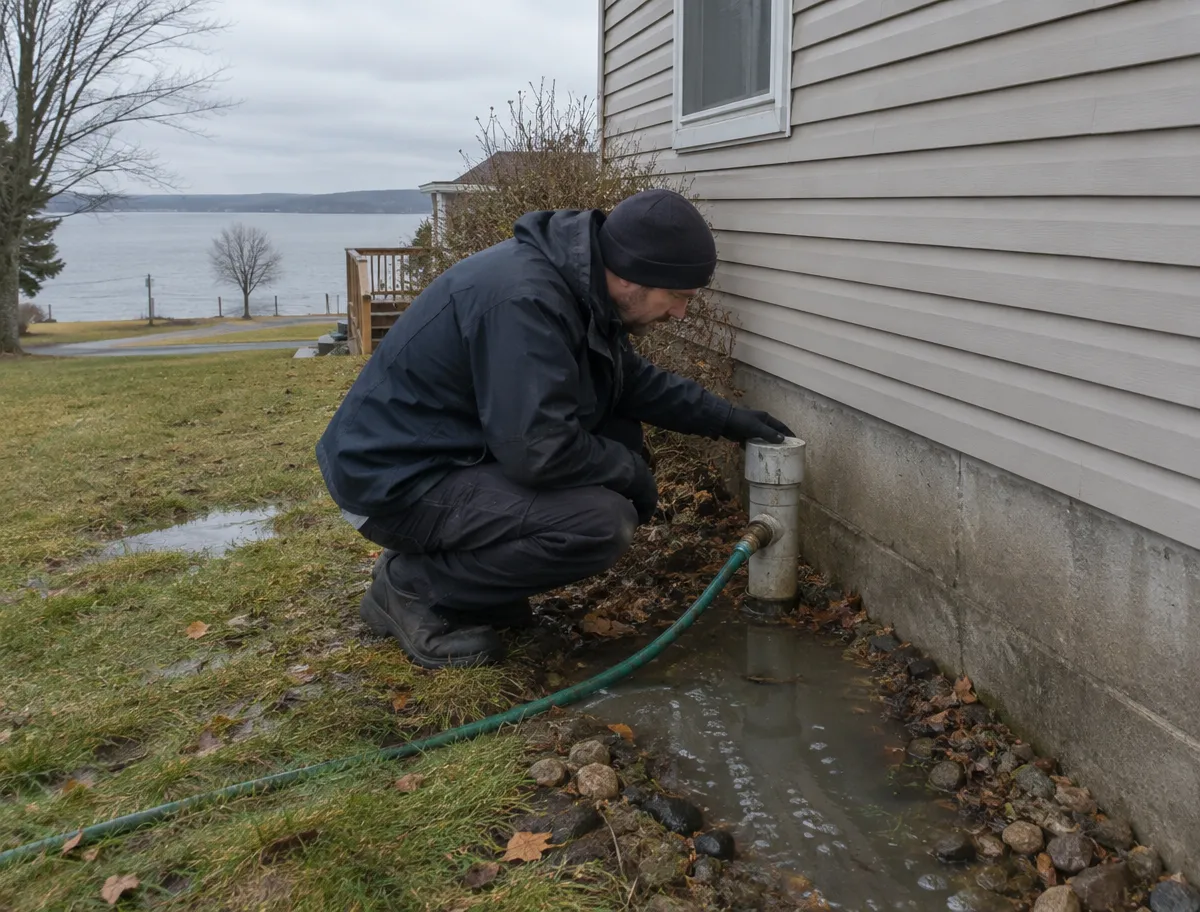
Below, we walk through what a sewer backup actually is, the seven causes behind most Chautauqua County backups, why older homes carry extra risk, what to do the moment sewage rises, and how to keep it from happening again.
What Is a Sewer Line Backup?
A sewer line backup happens when wastewater cannot move forward through the pipe and reverses direction, pushing back into the home instead. For a lakefront cabin owner along Chautauqua Lake or a property manager overseeing a Dunkirk rental, that reversal often shows up first as a slow drain or a gurgling toilet before the real trouble starts. The mechanism is simple: something inside or outside the line blocks normal flow, and wastewater takes the path of least resistance, which is often straight back up through the nearest drain or fixture.
The result is rarely just an inconvenience. Sewage entering a living space is an unpleasant and potentially unhealthy experience, exposing floors, walls, and belongings to contaminated water. Bacteria, mold, and lingering odor can follow, turning a plumbing problem into a health concern for the whole household.
Understanding sewer backup causes Chautauqua County homeowners deal with starts with recognizing that these events are common, not rare anomalies. Backups are an unfortunate but common problem across homes and communities, from year-round residences in Jamestown-area suburbs to seasonal cottages near Bemus Point. Knowing the basics helps property owners react quickly rather than guess.
How does a sewer backup differ from a simple clog?
A simple clog usually affects one fixture, like a single slow bathroom sink. A full sewer line backup affects multiple drains at once, often the lowest ones in the home, such as basement floor drains. That pattern signals a blockage deeper in the main line rather than an isolated fixture issue.
Chautauqua County properties, from lake cottages to year-round homes, rely on the same basic drainage principle: gravity-fed wastewater needs a clear path to the municipal or septic system. McCandless Plumbing & Excavation serves Chautauqua County homeowners with water and sewer line services built around that principle.
What Causes Sewer Backups in Chautauqua County?
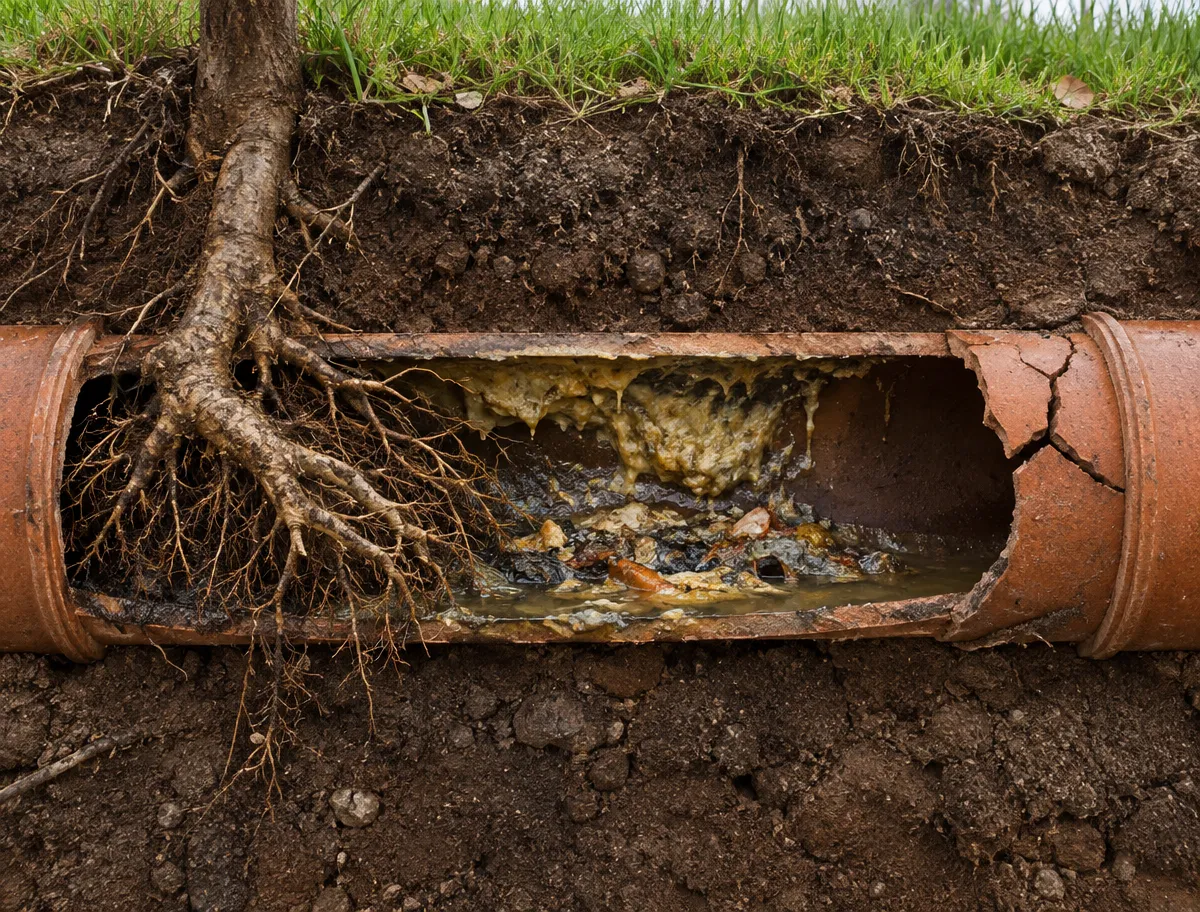
Chautauqua County properties face several recurring sewer backup causes, chief among them clogged pipes, invasive tree roots, and heavy rainfall. Left unaddressed, these problems turn a slow drain into a flooded basement, contaminated flooring, and a repair bill that grows every day the source goes undiagnosed. Lakefront cabins and older homes near mature tree lines face elevated risk, since aging pipe materials and root systems compound the problem over time. According to the EPA’s sanitary sewer overflow guidance, overflows occasionally occur in almost every sewer system, even though systems are designed to contain all the sewage that flows into them.
These are the seven causes behind most backups we see across the county:
| Cause | How it happens | Warning signs | Typical fix |
|---|---|---|---|
| 1. Grease and FOG buildup | Fats, oils, and grease cool and harden on pipe walls, narrowing the line | Slow kitchen drains, recurring clogs | Hydro-jetting or professional drain cleaning |
| 2. Tree root infiltration | Roots enter hairline cracks and joints in clay or cast iron pipe | Gurgling toilets, backups that return every season | Root cutting, then repair or replacement of damaged sections |
| 3. Flushed non-flushable items | Wipes, hygiene products, and paper towels snag and build a dam | Toilet backups, multiple slow fixtures | Drain cleaning and changing flushing habits |
| 4. Cracked or collapsed pipe | Age, corrosion, and ground pressure break the pipe wall | Soggy yard spots, sewage odor, repeated blockages | Spot repair or full sewer line replacement |
| 5. Bellied or sagging line | Soil settling lets a section sink so waste pools in the low spot | Slow drainage throughout the house | Excavate and re-grade or replace the sagging section |
| 6. Heavy rain overwhelming the system | Lake-effect storms and snowmelt push more water into sewers than they can carry | Floor drain backups during storms | Backflow prevention and drainage improvements |
| 7. Municipal sewer main blockage | A clog or surcharge in the public main forces wastewater back up the lateral | Several homes on the street affected at once | Report to the municipality; install a backwater valve |
Tree roots cause more sewer line damage than any other single factor. Roots travel toward moisture, and a sewer line carrying wastewater is a constant water source. Once roots find a hairline crack in vitrified clay pipe or cast iron pipe, common materials in older Chautauqua County homes, they force their way in and expand. The result is a blockage that traps debris and eventually collapses the line, a condition that requires professional sewer line repair or replacement rather than a simple drain snake. A USDA Forest Service review of tree root intrusion in sewer systems reports that roots cause more than half of all sewer blockages.
Storm-driven backups follow a different path. During heavy rain, water can enter a basement through several routes, and protecting the building against that risk falls to the property owner. The most common entry points include:
- Open floor drains left unprotected during storm events
- Basement toilets connected to an overwhelmed sewer line
- Sinks and shower drains that sit below street level
- Aging fixtures without backflow protection
What is the biggest cause of sewer backups?
Tree root intrusion causes the most sewer line damage across the region, particularly in properties with mature landscaping near underground pipe runs. Clogged pipes from grease, debris, and years of buildup rank close behind. Heavy rainfall compounds both problems by pushing more volume through an already restricted line, forcing water back toward the path of least resistance: the basement.
Why do basements flood during heavy storms?
Basements flood when sewer capacity gets overwhelmed and wastewater searches for the lowest available opening. Floor drains and basement fixtures sit below street level, making them the first point of entry once a line backs up.
📞 Not Sure What’s Causing Your Backup? McCandless Plumbing & Excavation can run a camera inspection to pinpoint the exact cause, whether it’s roots, grease, a belly, or a collapsed section, before any work begins. Call today to schedule your inspection anywhere in Chautauqua County.
Why Are Older Homes More at Risk?
Age changes everything below ground. Older homes across Chautauqua County face a real risk to property, household budgets, and family health when sewer lines fail. Decades of wear leave pipe systems far more vulnerable than newer installations. Lakefront cabins and century-old farmhouses throughout the county often still rely on original piping, and that history carries consequences. Nationally, ASCE’s 2021 Infrastructure Report Card for wastewater grades U.S. wastewater infrastructure a D+, largely because of aging pipe networks.
Several factors combine to create this vulnerability. Aging pipes, shifting soils, tree roots, and changes to municipal sewer systems can all send wastewater back into basements, tubs, and floor drains. Understanding these sewer backup causes Chautauqua County homeowners encounter most often makes it easier to catch warning signs early.
What pipe materials cause the most problems in older homes?
Clay pipes, cast iron pipes, and Orangeburg pipes make up much of the county’s older sewer infrastructure. These materials suffer from age deterioration, corrosion damage, and eventual pipe collapse. Because they carry limited lifespans, many eventually require complete lateral line replacement rather than a simple patch repair.
Can ground movement really damage a sewer line?
Yes. Construction nearby, seasonal weather changes, and natural soil settling all shift the ground surrounding buried pipes. That movement produces bellied pipes, offset joints, and full separations in the underground line, each of which disrupts proper drainage flow.
Common risk factors in aging Chautauqua County properties include:
- Deteriorated pipe materials: clay, cast iron, and Orangeburg pipes weaken with corrosion over decades.
- Root intrusion: mature trees near older foundations send roots toward pipe joints.
- Soil instability: freeze-thaw cycles and construction activity shift buried lines out of alignment.
- Outdated municipal connections: older tie-ins may not match current sewer system standards.
Recognizing these patterns early helps property owners address small problems before they become basement emergencies.
What Should You Do During a Backup?
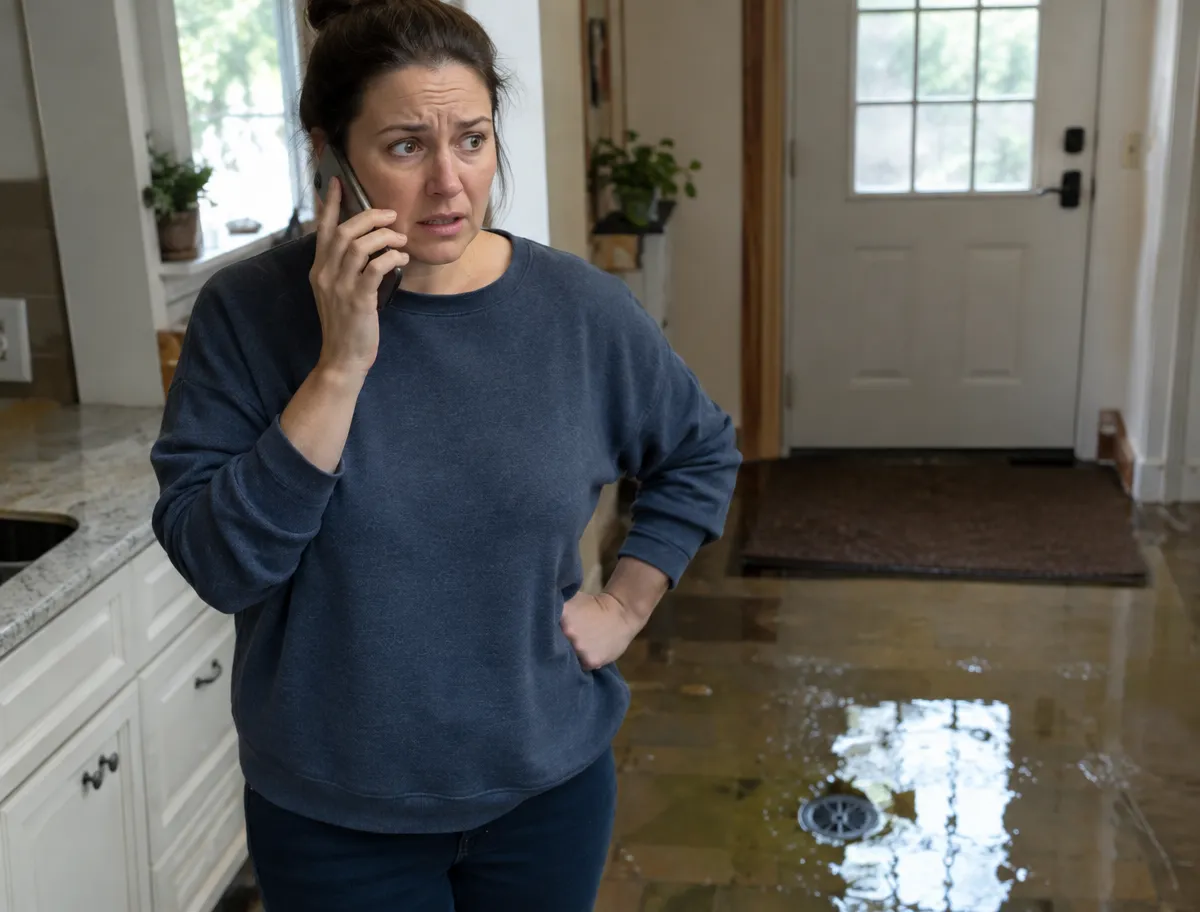
Immediate action protects both residents and property when wastewater rises into a lakefront cabin or year-round home. Chautauqua County property owners face a range of sewer backup causes in Chautauqua County, from aging clay pipes to storm-driven overflows, and the right response in the first few minutes limits contamination and repair costs. Municipal utility departments across the county work hard to prevent these incidents, according to Facts About Sewer Backup Incidents, but backups still occur despite that effort.
The first priority is safety, not cleanup. Sewage carries bacteria and contaminants that threaten both health and belongings. Property owners should first move people, pets, and valuable items away from the affected area. Only after that should attention turn to stopping the source of the backup and assessing damage.
How do you stop sewage from spreading further into the house?
Ceramic fixtures such as toilets and sinks are fragile and prone to overflow during a backup event. Residents should close drain openings quickly using stoppers or plugs, particularly in basement floor drains and low-lying bathroom fixtures common in older Chautauqua County homes near Chautauqua Lake. This step slows the spread of contaminated water before a plumber arrives. Homes on septic should also follow the New York State Department of Health’s septic guidance after weather emergencies, which advises against using toilets, washing machines, or other fixtures while the soil around the system is flooded. Our septic system services team can check the system once the ground drains.
What happens if early warning signs get ignored?
Slow drains, gurgling pipes, or recurring minor backups often signal a developing problem. Homeowners who dismiss these signs risk expensive damage and emergency plumbing repairs later, a pattern documented in reporting on sewer backup causes nationwide.
Quick-response checklist:
- Move people and valuables away from the affected area first
- Plug floor drains and shut off fixtures near the backup
- Avoid running additional water until the blockage clears
- Document visible damage before cleanup begins
- Schedule a professional inspection promptly rather than waiting
McCandless Plumbing & Excavation encourages Chautauqua County property owners to treat every early warning sign as a reason for prompt inspection, since delayed action turns a minor clog into a costly structural repair.
How Can You Prevent Future Backups?
Consistent maintenance and preventive measures protect Chautauqua County, NY homes from costly sewer backup disasters. Lakefront cabin owners and property managers face particular risk. Seasonal use and fluctuating water tables strain older lateral lines between visits. Understanding sewer backup causes Chautauqua County properties commonly face is the first step toward stopping the problem for good, rather than reacting after wastewater has already damaged floors, walls, and furniture.
Preventive habits reduce risk significantly:
- Schedule periodic camera inspections to catch root intrusion and pipe deterioration before a blockage forms.
- Avoid pouring grease, wipes, or hygiene products down drains, since these materials are frequent culprits in clogged laterals; routine drain cleaning services clear buildup before it hardens.
- Keep floor drains and basement fixtures clear and monitored during heavy rain events.
- Address slow drains or gurgling toilets immediately rather than waiting for a full backup.
- Avoid planting trees and shrubs with aggressive roots over the sewer lateral, as University of Georgia Extension guidance on roots and sewer lines recommends.
How does a camera inspection help prevent backups?
A sewer camera inspection lets a technician view the interior of a sewer line directly, identifying root intrusion, offset joints, or collapsing pipe sections early. Every repair option gets quoted upfront once the inspection is complete. No work begins without a written estimate, so property owners understand costs before repairs start.
Who handles sewer emergencies in Chautauqua County?
Emergency response matters most when backups occur without warning. McCandless Plumbing & Excavation answers plumbing emergencies around the clock and covers water lines, sewer lines, septic systems, drain cleaning, drainage, and excavation for Chautauqua County properties.
Frequently Asked Questions
What causes sewer backups in Chautauqua County?
Tree root intrusion into aging clay, cast iron, or Orangeburg pipes causes the most damage. Pipe deterioration and heavy rainfall overwhelming lines also trigger backups throughout Chautauqua County properties.
Is a slow drain the same thing as a sewer backup?
Not always. A simple clog affects one fixture, like a slow bathroom sink, while a full sewer line backup affects multiple drains at once, especially basement floor drains, signaling a deeper main line blockage.
Why do tree roots damage sewer lines so severely?
Roots travel toward moisture inside sewer lines, forcing through hairline cracks in clay or cast iron pipe and expanding until they trap debris and eventually collapse the line, requiring professional repair.
Can heavy rain cause a sewer backup even if my pipes are in good shape?
Yes. Lake-effect storms and snowmelt can push more water into the sewer system than it can carry, and wastewater then escapes through the lowest openings in a home, such as basement floor drains. Backflow protection and clear, monitored floor drains lower that risk.
How do plumbers find the exact cause of a sewer backup?
A sewer camera inspection sends a waterproof camera through the line to show root intrusion, grease buildup, offset joints, bellies, or collapsed sections directly. That footage tells the technician which fix the line actually needs, and every repair option can be quoted upfront.
TL;DR — Sewer Backup Causes at a Glance
- The seven most common causes are tree roots, grease and FOG buildup, flushed non-flushable items, cracked or collapsed pipe, bellied lines, heavy rain, and municipal sewer main blockages.
- Older Chautauqua County homes with clay, cast iron, or Orangeburg pipe carry the highest risk.
- Sewer backups contaminate walls, floors, and furniture, requiring complete repair and sanitation measures.
- Raw sewage in basements creates foul odors and serious health hazards for residents.
- Municipal utility departments work to prevent backups, but incidents remain common across U.S. towns.
- Next step: Book a camera inspection with McCandless Plumbing & Excavation to diagnose the exact cause before it floods your basement.
Related Resources
- Sewer Line Services
- Plumbing and Excavation in Chautauqua County
- Sewer Camera Inspection in Jamestown, NY
- Sewer Camera Inspection Cost in Western NY
- Sewer Inspection Before Buying a House in Chautauqua County
- Sewer Line Replacement Cost in Jamestown
- Top Plumbing Emergencies in Jamestown: Causes and Solutions
Get a Free Sewer Line Repair Quote
Sewer line backups in Chautauqua County result from a combination of aging infrastructure, tree root intrusion, grease accumulation, and ground settling, challenges that demand professional assessment and timely intervention. Understanding these root causes empowers property owners to recognize warning signs and pursue preventative maintenance. Expert diagnosis and repair protect your home’s integrity and prevent costly damage, making professional service an essential investment in your property’s long-term health and functionality. Contact McCandless Plumbing & Excavation today for a free, no-obligation quote.
About McCandless Plumbing & Excavation: McCandless Plumbing & Excavation has served Chautauqua County, NY homeowners and property managers for several decades, from Jamestown and Dunkirk to lakefront cottages around Chautauqua Lake. The team handles water lines, sewer lines, septic systems, drain cleaning, drainage, and excavation, and answers plumbing emergencies around the clock.