

Installing a septic tank is a major project for many homeowners in Western New York. Knowing likely costs ahead of time helps you plan and avoid surprises. This guide breaks down average installation prices for the region, the main factors that drive cost, the types of systems available, and how plumbing, drainage, and HVAC work tie into the job. We also cover long‑term maintenance and repair costs so you can budget confidently.
Key Takeaways
- In Western New York, septic tank installation typically falls between $3,500 and $8,000, depending on the job.
- Factors like soil type, local rules, and labor rates—especially in Chautauqua County—have a major impact on price.
- Bigger tanks cost more up front because of higher material and labor needs; tank size should match household use.
- Typical cost pieces include the tank ($1,500–$4,000), excavation ($500–$2,500), and permits ($100–$500).
- Conventional systems are usually cheaper; alternative systems and advanced treatment options increase costs.
- Adding plumbing, drainage, or HVAC work can add anywhere from a few hundred to several thousand dollars.
- Routine maintenance—like pumping every 3–5 years—prevents expensive repairs and extends system life.
- Repairs vary: drain field fixes often run $1,500–$5,000, and full system replacements can reach $15,000.
- For precise estimates, contact local, licensed providers and check experience, licensing, and customer reviews.
What Are the Average Septic Tank Installation Prices in Western New York?
Expect to pay roughly $3,500 to $8,000 for a typical septic tank installation in Western New York. That range reflects differences in system type, site conditions, required permits, and other job‑specific needs. Conventional systems tend to sit toward the lower end of the scale, while alternative systems or difficult sites push costs higher.
For an accurate price for your property, reach out to local contractors for customized quotes. Learn more about our septic tank installation services in Western New York — we’ll assess site conditions and regulatory requirements to give a realistic estimate.
Which Factors Influence Septic System Installation Costs in Chautauqua County?
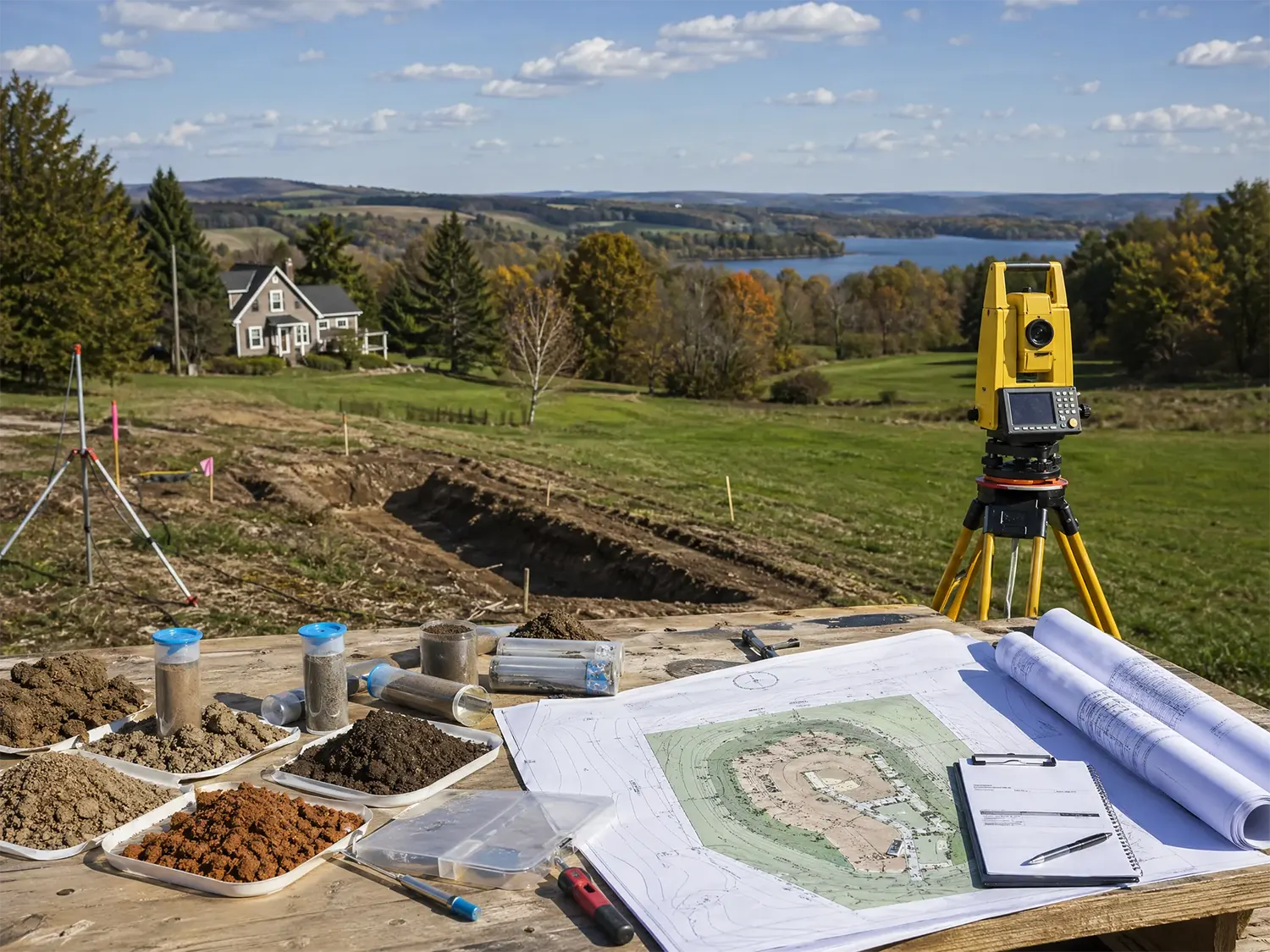
Several key elements shape the final bill for septic work in Chautauqua County. The most influential are:
- Local Regulations: New York regulates residential septic systems under NYSDOH Appendix 75-A wastewater treatment standards. Meeting these codes and environmental rules can add design steps, inspections, or mitigation measures.
- Soil Conditions: Clay, rock, or high water tables make installation harder and more expensive than sandy, well‑draining soils.
- Labor Expenses: Complexity and local labor rates affect how much contractors charge for excavation, installation, and finishing work.
How Does Septic Tank Size Affect Installation Cost?
Tank size directly influences cost because larger tanks require more materials and heavier equipment to install. The right size depends on household size and water use; a family of four typically needs a larger tank than a single occupant, which increases both tank price and installation labor.
What Is the Typical Cost Breakdown for Septic Installation Components?
Breaking costs into components clarifies where your money goes. Typical estimates for common items are shown below.
| Component | Cost Estimate | Description |
|---|---|---|
| Septic Tank | $1,500 – $4,000 | Varies by capacity and material (concrete, plastic, fiberglass) |
| Excavation | $500 – $2,500 | Depends on soil type, rock, depth, and site access |
| Permits | $100 – $500 | Fees required by local health or building departments |
Use these line items to build a realistic budget and compare contractor estimates more easily.
How Do Soil Type and Excavation Requirements Affect Pricing?
Soil conditions are one of the biggest cost drivers. Clay or shallow soils, and sites with a high water table, often require deeper excavation, import of engineered fill, or alternative treatment systems—each of which raises costs. Sandy, well‑draining soils usually make for quicker, less expensive installs. Have a soils test done before you make decisions so you know what to expect.
Soil quality influences both system performance and property value; research on poorly sited systems highlights the economic consequences.
What Local Permits and Regulations Impact Installation Expenses?
Local permitting and regulatory requirements add to installation costs in several ways: permit fees, required soil or site studies, mandated setbacks, and inspections. Rules differ by municipality, so check with your county or city health department early in the process to avoid delays or unexpected expenses. Eligible homeowners may also qualify for the New York State Septic System Replacement Fund, which provides grants of up to 50% of replacement costs (capped at $10,000) for failing systems.
What Are the Different Septic System Types and Their Price Differences?
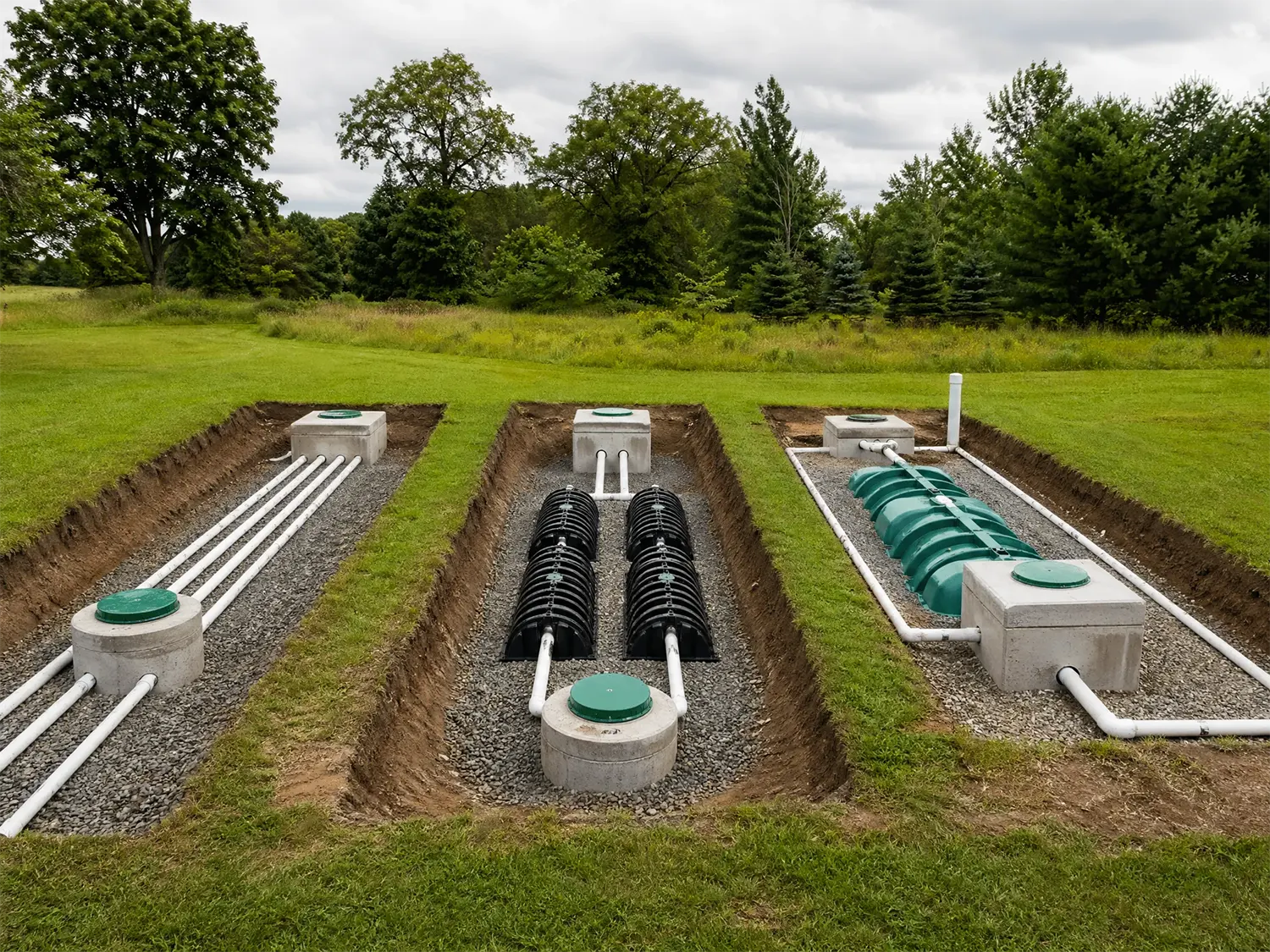
Septic systems broadly fall into two categories: conventional and alternative. Each has different costs and site requirements.
- Conventional Systems: A septic tank plus drain field. Typically the most cost‑effective option when soil and space allow.
- Alternative Systems: Include advanced treatment units, sand filters, or pressurized systems needed for difficult sites. Upfront costs are higher due to added equipment and complexity.
How Do Conventional and Alternative Septic Systems Compare in Cost?
Conventional systems commonly range from about $3,000 to $6,000. Alternative systems—because they use additional treatment components—can range from roughly $6,000 to $12,000 or more, depending on technology and site constraints. Choose based on site conditions and long‑term performance needs, not just upfront price.
What Are the Benefits of Environmentally Friendly Septic Solutions?
Eco‑friendly options like aerobic treatment units or constructed wetlands can improve treatment quality and reduce environmental impact. They often cost more initially but can lower ongoing risks and maintenance burdens, making them a smart choice for owners focused on sustainability and long‑term value.
How Are Plumbing, Drainage, and HVAC Services Integrated with Septic Installation?
Coordinating plumbing, drainage, and any necessary HVAC adjustments is vital for a smooth septic installation. Proper plumbing directs wastewater to the tank, yard drainage solutions keep surface water away from the system, and HVAC work may be needed if installations affect mechanical runs or equipment locations.
What Additional Costs Are Associated with Plumbing and Drainage Services?
Plumbing and drainage work tied to a septic install can include:
- Plumbing Modifications: Rerouting or adjusting existing lines to match the new tank location.
- Drainage Solutions: French drains, grading, or other surface water controls to protect the system.
- HVAC Adjustments: Minor relocations or modifications if equipment or ducts interfere with the installation area.
Depending on scope, these add a few hundred to several thousand dollars to the project.
How Does HVAC Integration Affect Septic System Installation Pricing?
If HVAC components must be moved or altered to accommodate a septic install, expect added labor and material costs. Coordinate with both plumbing and HVAC pros to get bundled estimates and avoid surprises.
What Are the Maintenance and Long-Term Costs of Septic Systems in Western New York?
Regular maintenance keeps a system working and minimizes expensive repairs. Budget for periodic septic system inspections, pumping, and occasional repairs so the system lasts as long as possible.
How Does Regular Maintenance Influence Overall Septic System Expenses?
Routine maintenance—like pumping every 3–5 years—keeps solids from building up and reduces the chance of backups or drain field failure. Skipping maintenance can lead to expensive repairs or early replacement, so regular service is often the best financial decision over the system’s life.
What Are Common Repair and Replacement Costs for Septic Systems?
Typical repair and replacement costs include:
- Tank Pumping: $300 – $600 every 3–5 years.
- Drain Field Repair: $1,500 – $5,000 depending on damage and extent.
- System Replacement: $4,000 – $15,000 for a full replacement, depending on system type and site work required.
Knowing these ranges helps homeowners set aside funds for routine care and unexpected repairs.
Where Can Property Owners Get Accurate Septic Installation Estimates and Services in Western New York?
For precise estimates, contact local contractors who specialize in septic systems. A site visit and soils evaluation let professionals give a tailored quote that reflects your property’s realities.
How to Choose Reliable Local Septic Installation Companies?
When picking a company, focus on:
- Experience: Favor contractors with a solid track record installing systems similar to yours.
- Reviews: Read customer feedback to learn about reliability, timeliness, and workmanship.
- Licensing and Insurance: Verify proper licensing and insurance to protect you and your property.
Choose McCandless Plumbing & Excavation for Septic Tank Installation in Western New York
For expert septic tank installation and reliable service in Western New York, trust McCandless Plumbing & Excavation. Our experienced team provides tailored solutions that fit your property’s needs and budget. Contact McCandless Plumbing & Excavation today for a free consultation and accurate estimate to get your septic system installed right the first time.
Frequently Asked Questions
What are the signs that my septic system needs maintenance?
Watch for slow drains, gurgling pipes, foul smells near the tank or drain field, and pooling water in the yard. Any of these signs merit an inspection from a septic professional to avoid bigger problems.
How often should I pump my septic tank?
Most households need tank pumping every 3 to 5 years, though frequency depends on tank size, household size, and water use. Ask a service provider for a recommended schedule based on your situation.
What should I avoid flushing down the toilet?
Don’t flush wipes, feminine products, dental floss, grease, or strong chemicals. These items can harm the bacteria the system relies on, clog pipes, and cause costly repairs. Dispose of non‑biodegradable items in the trash.
Can I plant trees near my septic system?
Avoid planting trees or large shrubs within 10–20 feet of the tank or drain field—roots can invade and damage the system. Opt for grass or shallow‑rooted plants near the system and check with a professional before landscaping.
What are the environmental impacts of septic systems?
A poorly maintained or improperly installed septic system can pollute groundwater and nearby waterways with pathogens and excess nutrients. Proper installation, routine maintenance, and choosing appropriate treatment options help minimize environmental risks.
How can I extend the lifespan of my septic system?
Extend system life by scheduling regular pumping, avoiding harmful flushables, conserving water, limiting heavy traffic over the drain field, and educating household members on proper use. Routine inspections catch small issues before they grow.
What should I do if my septic system fails?
If you see sewage backups, strong odors, or saturated areas over the drain field, stop using nonessential water and call a licensed septic professional right away. They’ll diagnose the problem and recommend repairs or replacement.