

In Chautauqua County, NY, many homes rely on septic systems due to the rural and semi-rural nature of the area. Unlike standard home inspections, which typically do not cover septic systems in detail, a dedicated septic system inspection is essential to ensure the system is functioning properly and to avoid costly repairs after purchase. This guide explains why septic inspections are critical, what they involve, New York-specific requirements, and how to negotiate if issues arise.
Why Standard Home Inspections Don’t Cover Septic Systems
Standard home inspections focus on visible structural and mechanical components of a property but often exclude detailed evaluation of septic systems. Septic systems are underground and require specialized knowledge and equipment to assess their condition accurately. Without a dedicated septic inspection, buyers risk overlooking problems that can lead to health hazards, environmental damage, and expensive repairs.
What a Dedicated Septic Inspection Finds
A licensed septic inspector in Chautauqua County will thoroughly evaluate the septic system, including:
- Septic Tank Condition: Checking for cracks, leaks, and structural integrity. Failure to properly inspect the septic tank can result in undetected leaks or structural damage, which may cause sewage to seep into the surrounding soil, contaminating groundwater and posing serious health risks. Additionally, a compromised tank can lead to costly emergency repairs or complete system replacement.
- Drain Field Functionality: Assessing soil absorption and signs of saturation or failure. If the drain field is not inspected thoroughly, signs of saturation or failure may be missed, leading to system backups, surface pooling of wastewater, and environmental contamination. Over time, this can cause property damage and expensive remediation efforts.
- Distribution Box and Piping: Ensuring effluent is properly distributed and pipes are intact. Neglecting to inspect the distribution box and piping can allow blockages, leaks, or uneven effluent distribution to go unnoticed. This can cause premature drain field failure, system inefficiency, and increased repair costs.
- Signs of System Failure: Identifying slow drains, odors, wet spots, or root intrusion. Missing these warning signs during inspection can result in ongoing system malfunction, unpleasant odors, and potential health hazards. Early detection is crucial to prevent extensive damage and costly repairs.
- Maintenance History: Reviewing past inspections and pumping records. Without reviewing maintenance history, buyers may be unaware of recurring problems or neglected upkeep, which can indicate a higher risk of system failure and unexpected expenses shortly after purchase.
This detailed inspection helps identify current issues and potential future risks that standard inspections might miss.
New York State and Chautauqua County Septic Requirements
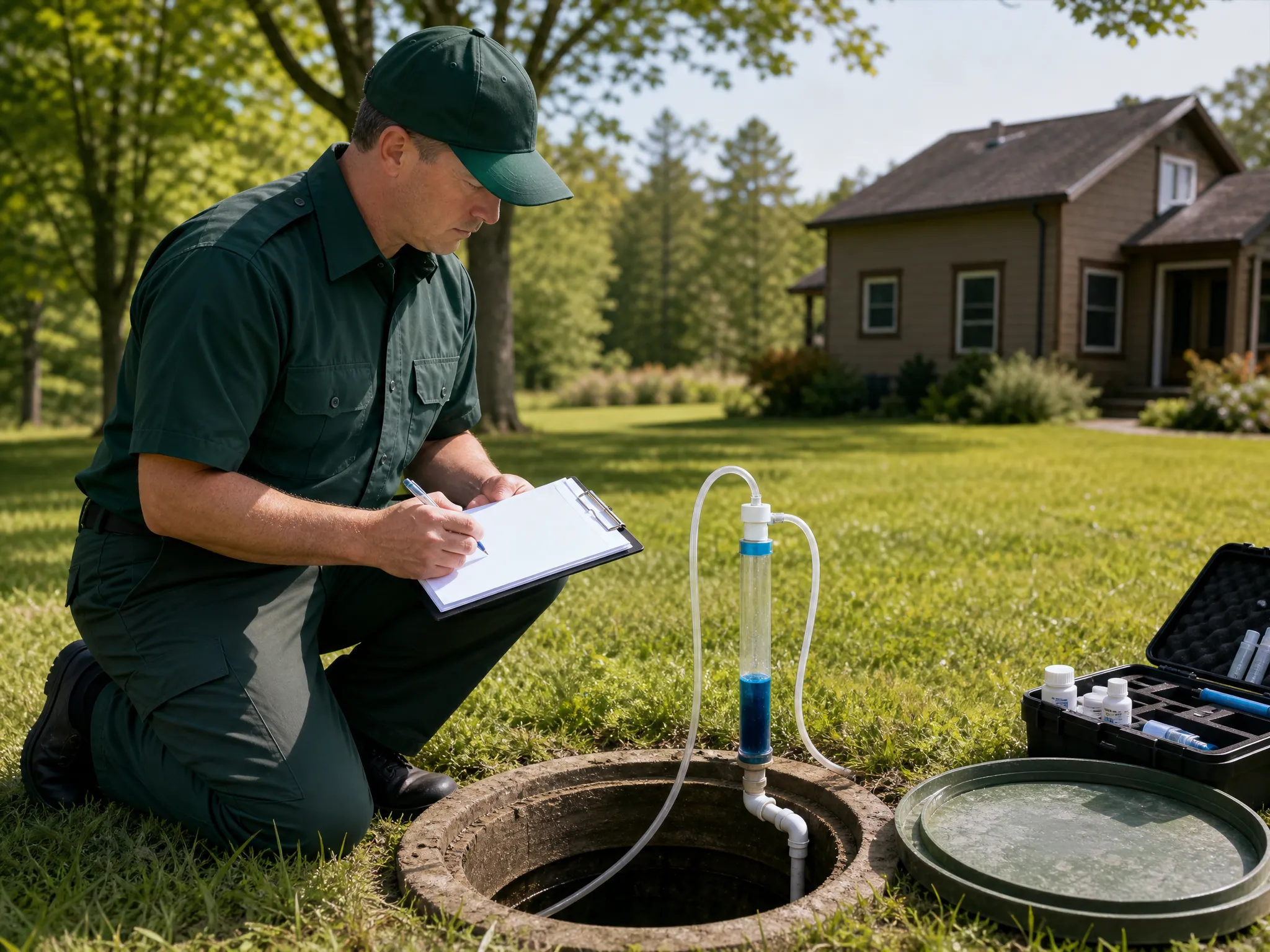
New York State mandates septic system inspections every three years to ensure public health and environmental safety. In Chautauqua County, permits are required for new septic installations and major repairs, and systems must comply with state and local health department standards. Understanding these regulations is crucial for buyers to ensure the property meets legal requirements and to avoid costly compliance issues.
Common Septic Problems in Chautauqua County
Due to the rural setting, common issues include:
- Tree Root Intrusion: Roots can damage pipes and cause blockages.
- Frost Heave and Ground Movement: Seasonal changes can shift or crack system components.
- Aging or Damaged Pipes: Older materials may leak or collapse.
Early detection of these problems through a septic inspection allows buyers to negotiate repairs or price adjustments before closing.
What to Negotiate if Problems Are Found
If the septic inspection reveals issues, buyers should:
- Request written estimates from licensed contractors for necessary repairs.
- Negotiate with the seller for repairs to be completed before closing or for a price reduction or escrow holdback to cover repair costs.
- Consider the severity of problems and whether they affect the decision to proceed with the purchase.
Clear documentation from the septic inspector strengthens your negotiating position.
Potential Costs for Chautauqua County Homebuyers
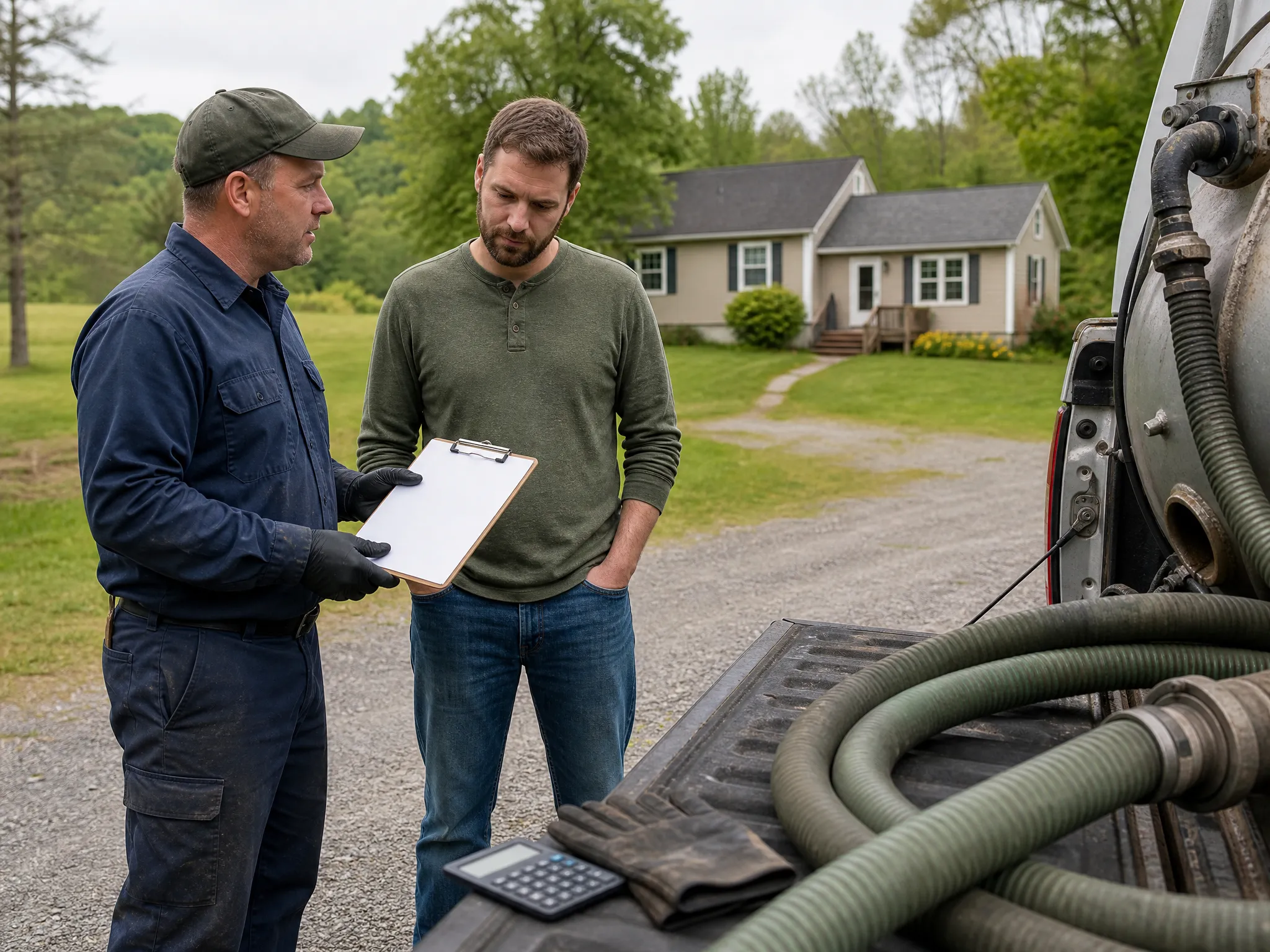
A dedicated septic inspection in Chautauqua County typically costs between $300 and $600, depending on the size of the system and site accessibility — a modest upfront investment compared to what a failed system can cost you after closing. If the inspection uncovers issues, repair costs vary widely: minor fixes like replacing a distribution box or damaged piping may run $500 to $1,500, while drain field repairs or replacement can range from $3,000 to $10,000 or more. A full septic system replacement in Western NY — which may be required for older or severely compromised systems — commonly falls between $10,000 and $25,000, factoring in excavation, materials, and permitting fees required by Chautauqua County. This is why inspection findings carry real negotiating weight: knowing the potential repair scope before closing gives buyers the leverage to request seller concessions, price reductions, or escrow holdbacks that reflect the true cost of bringing the system into compliance.
Steps to Schedule a Septic Inspection in Chautauqua County
- Find Licensed Inspectors: Choose professionals experienced with local septic systems.
- Schedule Early: Book the inspection soon after your offer is accepted to allow time for repairs or negotiations.
- Prepare the Property: Ensure clear access to the septic tank and drain field by removing debris or landscaping.
Scheduling a septic inspection with McCandless before closing ensures you have expert evaluation and peace of mind.
Conclusion
For homebuyers in Chautauqua County, a dedicated septic inspection is a critical step that standard home inspections do not cover. Understanding what a septic inspection entails, New York’s regulatory requirements, and how to negotiate if problems are found will help you protect your investment and ensure a safe, functional septic system. Contact McCandless to schedule your septic inspection before closing and move into your new home with confidence.
Schedule Your Septic Inspection with McCandless
Protect your investment and avoid costly surprises by scheduling a dedicated septic inspection with McCandless Plumbing & Excavation before closing on your Chautauqua County home. Our licensed inspectors specialize in local septic systems and provide clear, detailed reports to help you make informed decisions.
Frequently Asked Questions About Septic Inspections When Buying a House in NY
Do I need a septic inspection if the home already passed a standard home inspection?
Yes. Standard home inspections don’t evaluate septic systems — inspectors aren’t licensed to assess underground wastewater components. A dedicated septic inspection is the only way to know the actual condition of the tank, drain field, and distribution system.
Who pays for the septic inspection — the buyer or the seller?
Typically the buyer, as part of due diligence. That said, sellers may have recent inspection or pumping records you can request, and in some cases sellers will offer to cover the cost as a listing incentive.
How long does a septic inspection take?
Usually two to four hours, depending on system size and site accessibility. If pumping is needed to inspect the tank interior, it may take longer. Schedule it early in your contingency period to leave room for negotiations if issues come up.
What happens if the septic system fails the inspection?
It opens the door to negotiation, not necessarily a dead deal. You can ask the seller to make repairs before closing, reduce the purchase price, or agree to an escrow holdback. Get written estimates from licensed contractors to anchor any price adjustment request.
Are septic systems in rural Chautauqua County more prone to problems?
More so than newer suburban systems, yes. Many rural properties in the county have older systems that predate current standards, haven’t been pumped regularly, and have been exposed to years of frost heave and tree root intrusion. That’s exactly why a professional inspection matters more here, not less.
Can I use the septic inspection report to renegotiate after making an offer?
Yes — that’s largely the point of the inspection contingency. If the report reveals undisclosed deficiencies, you can renegotiate the price, request repairs, or withdraw without penalty, depending on your contract terms. Review your contingency language with a real estate attorney before waiving it.