

In Western NY, most septic tanks should be pumped every 3–5 years depending on household size and tank capacity. This interval can vary based on several factors including the number of people in the home, the size of the septic tank, what materials are flushed down the drains, and the age of the system. Understanding these variables helps homeowners maintain their septic systems effectively and avoid costly repairs.
Key Takeaways
- Septic tanks in Western NY are typically pumped every 3 to 5 years, depending on household size and usage.
- Routine pumping prevents solids from moving into the drain field and reduces the risk of costly failures.
- An annual professional inspection helps catch issues early and confirms whether pumping is due.
- Look for slow drains, sewage odors, and unexpected wet spots — these often mean the tank needs attention.
- Neglect can lead to system failure, health risks, and contamination of local water supplies.
- Pumping in Western NY usually costs between $300 and $600, depending on tank size and access.
- Local soil, site conditions, and regulations affect how often you should service your system.
- Supporting trades — plumbing, excavation, and drainage — help keep septic systems working well longer.
- Proper maintenance protects community water quality and avoids environmental damage.
Key Variables Affecting Pumping Frequency
Household Size
More occupants produce more wastewater, filling the tank faster and requiring more frequent pumping.
Tank Size
Larger tanks hold more waste and can go longer between pump-outs, while smaller tanks fill up more quickly.
What Gets Flushed
Flushing non-biodegradable items, grease, or harsh chemicals can accelerate sludge buildup and damage the system.
System Age
Older systems may be more prone to issues and require closer monitoring and maintenance.
What Happens If You Skip Pumping?
Failing to pump your septic tank regularly leads to solid waste buildup inside the tank. When solids overflow into the leach field (also called the drain field), it clogs the soil absorption area, causing leach field failure. This failure can result in sewage backups, foul odors, soggy yard spots, and ultimately the need for a full system replacement, which is costly and disruptive.
Recommended Pumping Schedule
| Household Size | Tank Size (Gallons) | Recommended Pumping Interval |
|---|---|---|
| 1-2 people | 750-1000 | Every 5 years |
| 3-4 people | 1000-1250 | Every 3-4 years |
| 5+ people | 1250+ | Every 3 years or less |
Western NY and Chautauqua County Considerations
Septic system maintenance in Western New York, including Chautauqua County, faces unique challenges due to local climate and soil conditions. The region’s freeze-thaw cycles can cause ground shifting that affects septic tank integrity and drain field performance. Additionally, the area’s soil types—ranging from sandy to clay-heavy—impact how quickly effluent is absorbed and how often pumping is needed. Clay soils, common in parts of Western NY, drain slowly and can lead to faster leach field saturation, necessitating more frequent maintenance.
Local regulations also influence pumping schedules and disposal methods, so it’s important to stay informed about county-specific requirements.
Pumping Frequency for Septic Tanks
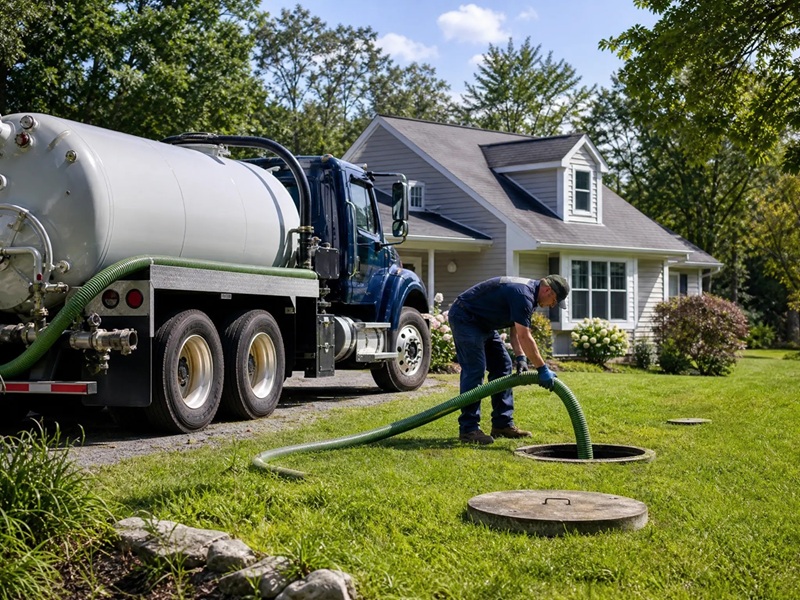
How often you should pump comes down to tank size, household occupants, and how much wastewater you produce. A common recommendation is every 3 to 5 years, but homes with more people or heavier water use may need more frequent service. Regular pump-outs help prevent solids from reaching the drain field, which is the main way to avoid expensive repairs, environmental problems, and system issues.
Best Maintenance Practices
A few straightforward habits will keep your septic system healthier and extend its life:
- Regular Pumping Schedule : Follow a pumping schedule based on your household size and water use to reduce the risk of failure.
- Annual Inspections : Have a professional inspect the system each year to spot early signs of trouble before they become costly.
- Monitoring for Warning Signs : Watch for slow drains, lingering odors, or soggy ground near the drain field and act quickly if you see them.
These steps are simple to follow and can dramatically lower repair costs while keeping your system running smoothly.
Consequences of Neglect
Ignoring pump-outs can have serious results. Solids can build up and eventually overflow into the drain field, causing clogs and failure. That may mean expensive repairs or a full system replacement. There are also public-health risks from sewage exposure and the potential for local water contamination. Regular maintenance reduces these risks and protects both your property and the community.
What Is the Recommended Septic Tank Pumping Frequency in Western NY?
In Western New York, plan on pumping every 3 to 5 years as a general rule. That range shifts toward the shorter end for larger households, high water users, or systems on soils that fill faster. Use inspections and household habits to fine-tune the interval for your specific situation.
How Do Tank Size and Household Usage Affect Pumping Intervals?
Tank capacity and the number of people in your home are the biggest factors in how quickly a tank fills. Bigger tanks allow longer gaps between pump-outs; small tanks or more occupants shorten that interval. Heavy laundry use, frequent guests, or other high-water activities speed the fill rate and may require more frequent maintenance. regular maintenance.
Why Is Local Soil and Regulation Knowledge Important for Pumping Schedules?
Local soil type affects how well the drain field accepts effluent — sandy soils drain faster, while clay holds water and can cause faster backups. Local codes may also require inspections or specific maintenance actions. Knowing site conditions and rules helps you choose a schedule that protects your system and meets local requirements.
What Are the Common Signs That Your Septic Tank Needs Pumping?
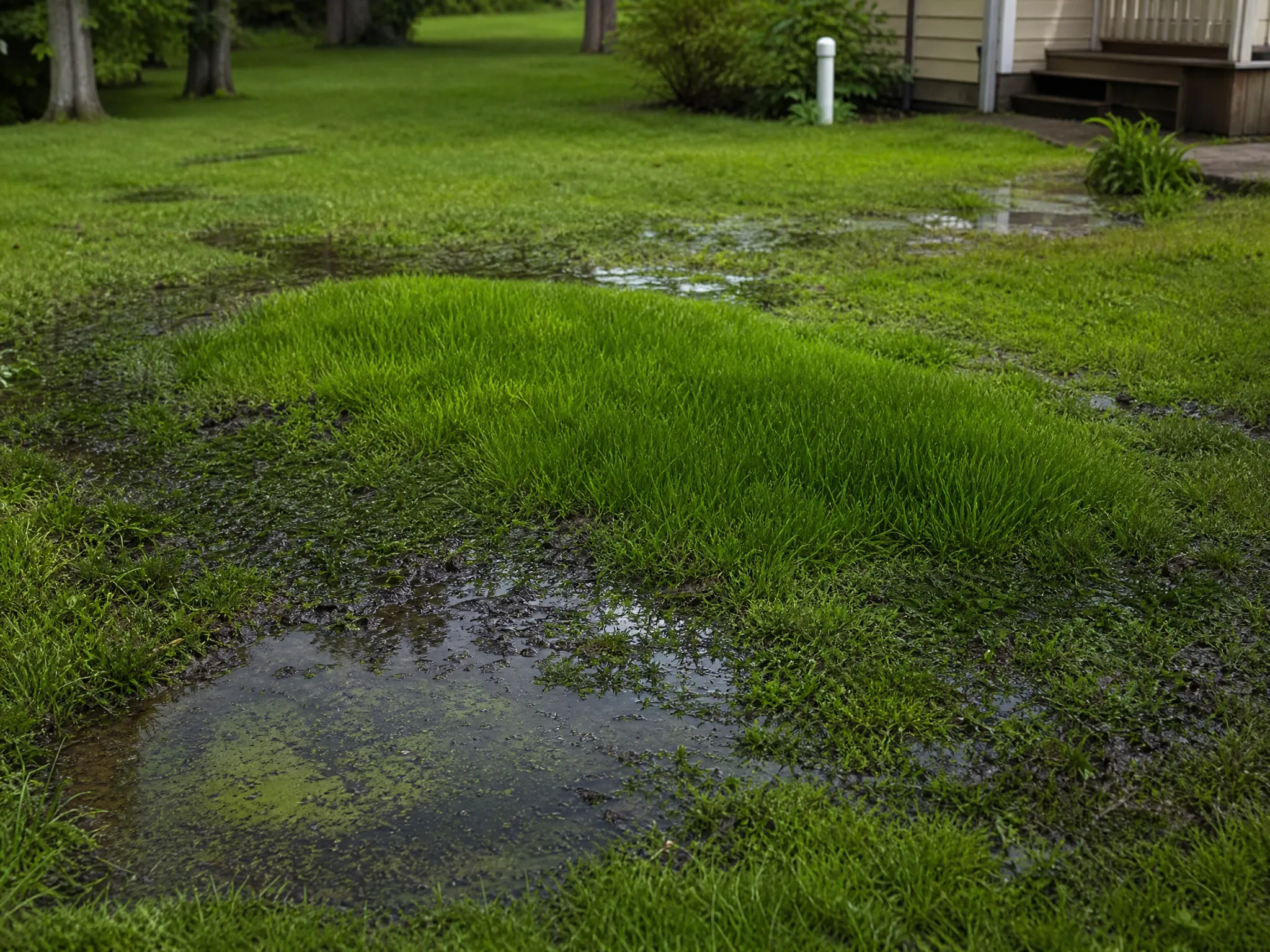
Watch for these common indicators that it’s time to pump:
- Slow Drains: Sinks, showers, or tubs that drain slowly often point to a full tank.
- Sewage Odors: Persistent foul smells near the tank or drain field suggest a problem.
- Wet Spots in the Yard: Lush, wet areas over the drain field can signal system failure.
Catching these signs early can prevent bigger problems and bigger bills. Learn more about signs your septic system may be failing.
Which Symptoms Indicate Septic System Failure or Blockage?
Symptoms that something more serious is happening include:
- Backed-Up Toilets : Repeated backups are a clear warning the system needs attention.
- Gurgling Sounds : Gurgling in pipes or drains can mean air or blockages in the system.
- Pooling Water : Standing water near the drain field usually indicates a failure or overload.
When you notice these issues, have a professional inspect the system right away to prevent further damage.
How Can Regular Inspections Help Detect Pumping Needs Early?
Annual inspections let a professional check sludge and scum levels, baffles, and the drain field condition. These checks reveal whether the tank is filling faster than expected, show early signs of clogging, and often save money by preventing emergency repairs. Inspections are the best proactive step for a healthy system.
What Happens If You Don’t Pump Your Septic Tank Regularly?
Skipping routine pump-outs lets solids accumulate until they enter and clog the drain field. That often leads to system failure, costly repairs, or full replacement. There’s also the risk of sewage exposure and environmental contamination. Regular maintenance keeps your system functional and protects your home and neighborhood.
How Much Does Septic Tank Pumping Cost in Western NY and What Does the Process Involve?
Pumping in Western New York generally runs between $300 and $600, depending on tank size, accessibility, and provider rates. The service removes accumulated solids and disposes of them according to local regulations. Always hire a licensed provider to ensure the job is done safely and in compliance with environmental rules.
What Factors Influence Septic Pumping Costs Locally?
Several elements affect local pricing:
- Tank Size: Larger tanks require more time and disposal, so they cost more to pump.
- Accessibility: Hard-to-reach tanks or blocked lids can add labor and equipment charges.
- Service Provider Rates: Companies set different prices based on experience, equipment, and included services.
Knowing these factors helps you budget and compare quotes sensibly.
What Are the Steps in a Professional Septic Tank Pumping Service?
A typical professional pump-out includes:
- Preparation: The technician locates the tank, uncovers access points, and prepares the area.
- Pumping: Using a vacuum truck and hoses, the technician removes solids and liquids as required.
- Inspection: After pumping, the technician checks for damage, baffle condition, and sludge levels.
- Recommendations: The technician advises on repairs, maintenance intervals, and any follow-up work.
Following these steps ensures the service is thorough, safe, and compliant.
What Local Regulations and Environmental Considerations Affect Septic Tank Pumping in Western NY?
Local rules in Western New York aim to protect public health and water quality. Regulations may define disposal methods, inspection schedules, and minimum maintenance standards. Complying with these rules prevents fines and helps protect groundwater and nearby waterways.
How Does Proper Pumping Protect Local Water and Soil Quality?
Regular pump-outs reduce the chance of untreated wastewater reaching groundwater or surface waters. That lowers the risk of bacterial contamination and nutrient overloads that can harm ecosystems. Proper septic care is an easy way homeowners help protect local drinking water and the environment.
What Related Services Support Septic Tank Maintenance in Western NY?
Several trades help keep septic systems healthy:
- Plumbing Services: Routine plumbing maintenance prevents leaks and reduces unnecessary wastewater.
- Excavation Services: Excavation is needed for major repairs, tank replacements, or drain field work.
- Drainage Solutions: Correct surface and subsurface drainage solutions prevent the drain field from becoming saturated.
Combining these services with regular pumping gives the best long-term results.
How Do Plumbing, Excavation, and Drainage Services Integrate with Septic Care?
Plumbing keeps household fixtures working efficiently so the septic system isn’t overloaded. Excavation enables repairs or upgrades when components fail. Drainage work prevents excess water from saturating the drain field. Together, these services form a comprehensive approach that protects the system and extends its lifespan.
Why Is HVAC Relevant to Septic System Longevity?
HVAC ties into septic health more indirectly: efficient systems can lower household water use tied to heating, cooling, or condensation. Good HVAC maintenance helps the whole house run more efficiently, which can reduce strain on plumbing and septic components over time.
Conclusion
Regular septic maintenance is one of the simplest ways Western New York homeowners can avoid costly repairs and protect local water. Stick to a 3-to-5-year pumping guideline as a baseline, get annual inspections, and act on warning signs quickly. Scheduling a professional inspection is an easy next step to keep your system reliable and your property safe.
Schedule Your Septic Tank Pumping with McCandless
Protect your septic system and avoid costly repairs by scheduling regular pumping with McCandless Plumbing & Excavation, your trusted local septic service provider in Western New York. Our experienced technicians understand the unique challenges of the region’s climate and soil conditions and provide thorough, professional service to keep your system running smoothly.
Frequently Asked Questions
What are the environmental impacts of neglecting septic tank maintenance?
Failing to maintain a septic tank can allow solids and untreated wastewater to enter the drain field or nearby waterways. That can contaminate groundwater and surface water, harm wildlife, and cause algal blooms by adding excess nutrients. Regular service prevents these serious environmental and public-health consequences.
How can homeowners prepare for a septic tank pumping service?
Prepare by locating your tank and making sure the technician can access the site — clear debris and trim vegetation as needed. Have records of past pump-outs and any known issues ready, and tell the provider about slow drains or odors so they can inspect those areas during the visit.
What should I expect during a septic tank inspection?
During an inspection, a licensed technician will check for structural damage, measure sludge and scum levels, and inspect the inlet and outlet baffles and the drain field. They’ll report on the tank’s condition and recommend service or repairs if needed.
Are there any DIY maintenance tips for septic systems?
Homeowners can help by conserving water, fixing leaks promptly, avoiding flushing non-biodegradable items and harsh chemicals, and keeping heavy equipment and deep-rooted plants away from the tank and drain field. These steps support system health between professional services.
What are the long-term benefits of regular septic tank maintenance?
Regular maintenance reduces the risk of emergency repairs, extends the life of your system, protects water quality, and helps preserve property value. It also provides peace of mind that your system won’t unexpectedly fail.
How do seasonal changes affect septic tank performance?
Seasons can have a big impact: freezing temperatures may affect pipes, heavy rain or snowmelt can saturate the drain field, and dry periods can compact soil and alter drainage. Schedule inspections before extreme weather to reduce seasonal risks.