

Septic system inspections are crucial for maintaining the health and safety of properties in Chautauqua County. These inspections ensure that septic systems function properly, preventing potential environmental hazards and costly repairs. In this article, we will explore the specific requirements for septic inspections in Chautauqua County, what to expect during the inspection process, and how property owners can effectively manage their septic systems. Understanding these elements is essential for homeowners and property owners to ensure compliance with local regulations and maintain the integrity of their septic systems. We will cover the frequency of inspections, necessary permits, typical inspection components, associated costs, and how to schedule inspections with local service providers.
What Are the Septic Inspection Requirements in Chautauqua County?
In Chautauqua County, septic system inspections are governed by specific regulations designed to protect public health and the environment. These requirements include the frequency of inspections, necessary permits, and documentation needed for compliance. Properties near lakes such as Bear, Cassadaga, Chautauqua, Erie, and Findley are subject to additional inspection cycles under New York State septic inspection programs. Regular inspections help identify potential issues before they escalate, ensuring that septic systems operate efficiently and safely.
Further research emphasizes the critical public health implications of poorly functioning septic systems, particularly concerning the discharge of effluent.
How Often Must Septic Systems Be Inspected According to County Regulations?
Septic systems in Chautauqua County must be inspected every 1 to 3 years, depending on the system’s design and usage. Factors such as the number of occupants and the system’s age can influence the inspection frequency. For property transfers specifically, the county requires a Water-Sewage Survey (WSS) inspection, which includes a dye test and tank size verification. Regular maintenance, including pumping every 3 to 5 years, is also recommended to prevent system failures and costly repairs. Adhering to these guidelines is essential for maintaining a healthy septic system.
What Permits and Documentation Are Required for Septic Inspections?
To conduct a septic inspection in Chautauqua County, property owners must obtain the necessary permits and documentation. This typically includes a permit application submitted to the local health department, which outlines the inspection process and any required fees. Documentation may also include previous inspection reports and maintenance records, which help inspectors assess the system’s condition and compliance with local regulations.
The importance of comprehensive legal frameworks and enforcement for septic systems is highlighted by studies examining statewide regulations.
What Does a Typical Septic System Inspection Include?
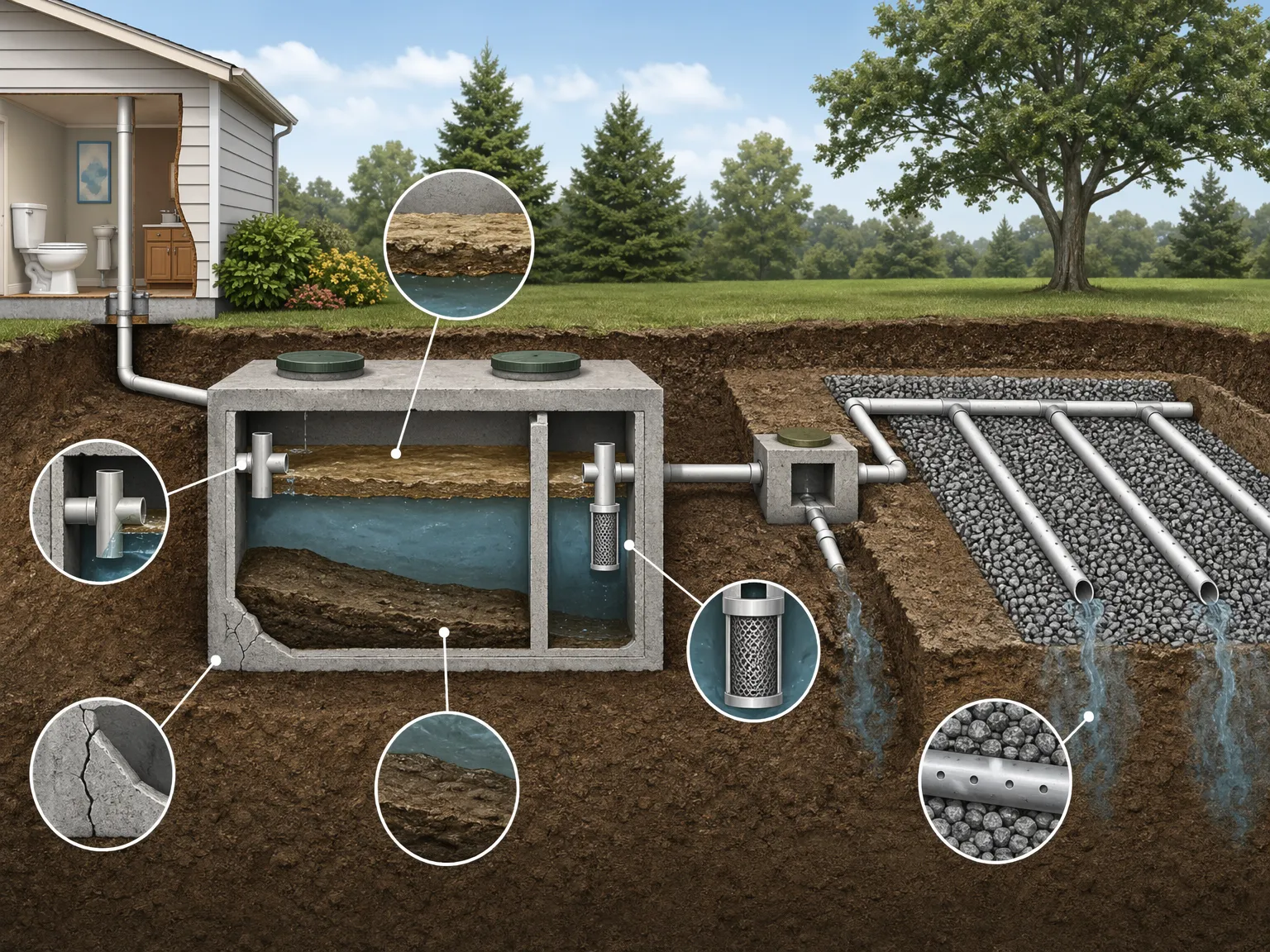
A typical septic system inspection involves a thorough evaluation of various components to ensure proper functionality. Inspectors assess the condition of the septic tank, distribution box, and drain field, among other elements. Understanding what to expect during an inspection can help property owners prepare and ensure a smooth process.
Which Septic System Components Are Evaluated During Inspection?
During a septic system inspection, several key components are evaluated, including:
- Septic Tank Condition: Inspectors check for signs of damage, leaks, or blockages that could affect system performance.
- Distribution Box Functionality: This component is assessed to ensure proper distribution of effluent to the drain field.
- Drain Field Assessment: Inspectors evaluate the drain field for signs of saturation or failure, which can indicate underlying issues.
How Is the Inspection Process Conducted Step-by-Step?
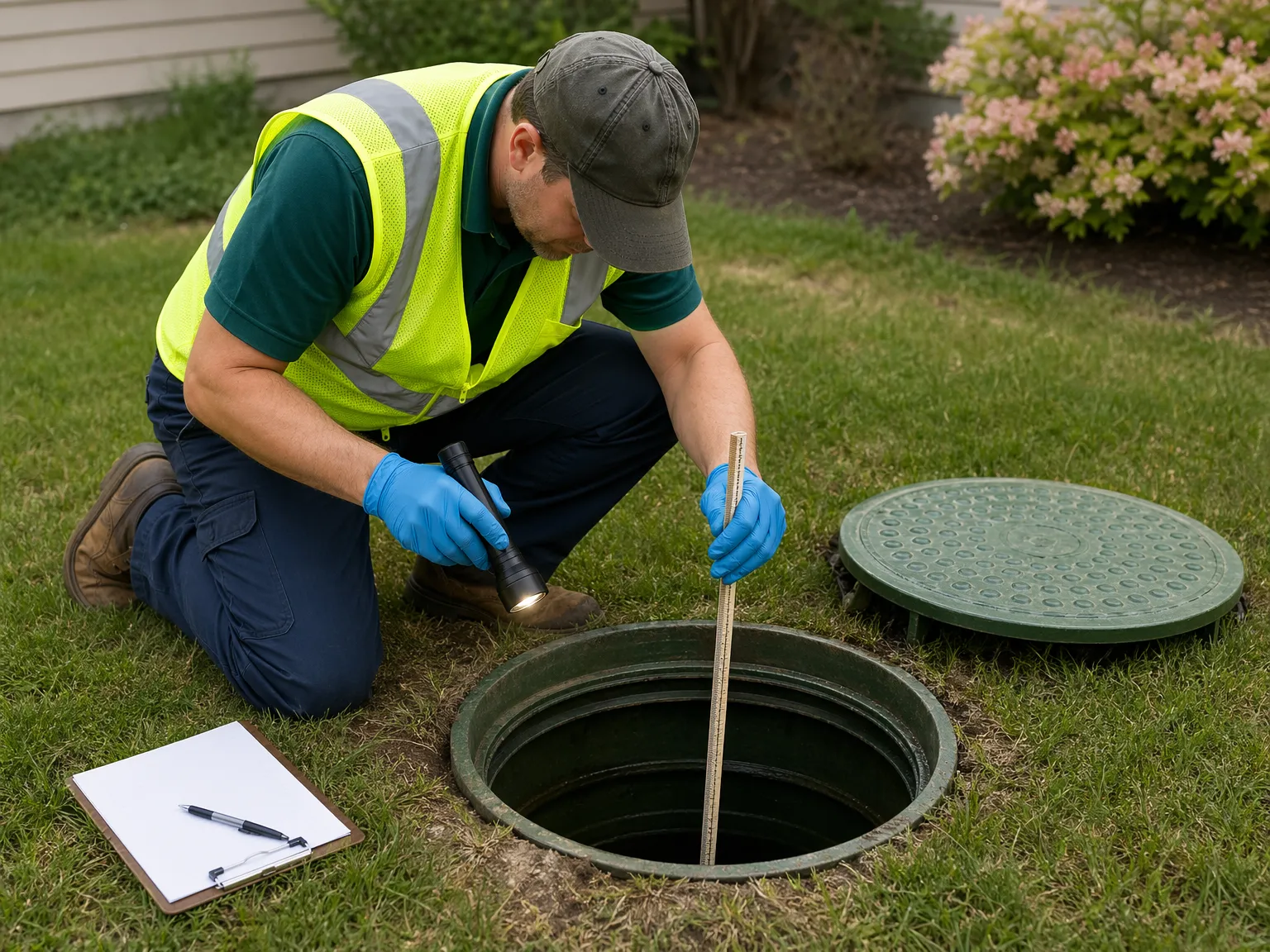
The inspection process typically follows these steps:
- Initial Assessment: The inspector reviews the property and existing documentation.
- Tank Inspection: The septic tank is opened to assess its condition and level of sludge.
- Component Evaluation: Each component, including the distribution box and drain field, is inspected for functionality and compliance.
- Final Report: The inspector provides a detailed report outlining findings and any necessary repairs or maintenance recommendations.
How Much Does a Septic Inspection Cost in Chautauqua County?
The cost of a septic inspection in Chautauqua County generally ranges from $300 to $500, depending on various factors such as system complexity and location. Understanding these costs can help property owners budget for inspections and maintenance.
What Factors Influence Septic Inspection Pricing Locally?
Several factors can influence the pricing of septic inspections, including:
- System Complexity: More complex systems may require additional time and expertise, increasing costs.
- Testing Requirements: Specific tests, such as soil percolation tests, may add to the overall expense.
- Accessibility of the System: If the septic system is difficult to access, additional labor may be required, impacting the price.
Are There Additional Costs for Related Services Like Pumping or Repairs?
In addition to inspection costs, property owners should be aware of potential additional expenses for related services. For instance, septic tank pumping typically costs between $300 and $400, depending on the tank size and location. Repair costs can vary significantly based on the nature of the issue, so budgeting for these services is essential for maintaining a functional septic system.
What Plumbing and Excavation Services Support Septic System Maintenance?
Proper maintenance of septic systems often requires the integration of plumbing and excavation services. These services play a vital role in ensuring that septic systems function optimally and comply with local regulations.
How Do Plumbing Services Integrate with Septic System Inspections?
Plumbing services are essential during septic inspections as they help identify any issues related to the plumbing system that may affect the septic system’s performance. Collaboration between plumbing and septic service providers ensures that all aspects of the system are evaluated, leading to comprehensive maintenance and repair solutions.
When Is Excavation Required for Septic System Repair or Maintenance?
Our excavation services may be necessary for septic system repairs or maintenance in several scenarios, including:
- Signs of System Failure: If the system shows signs of failure, such as backups or slow drainage, excavation may be required to access and repair components.
- Major Repairs: Significant issues, such as a damaged drain field, often necessitate excavation to replace or repair the affected areas.
- Permitting Requirements: Local regulations may require excavation for certain repairs, ensuring compliance with health and safety standards.
How Do Drainage and HVAC Services Impact Septic System Health?
Drainage and HVAC systems can significantly impact the health of septic systems. Understanding these relationships is crucial for property owners to maintain their systems effectively.
What Drainage Solutions Help Prevent Septic System Failures?
Effective drainage solutions can help prevent septic system failures by directing water away from the drain field. Some effective solutions include:
- Yard Drainage Systems: These systems help manage surface water runoff, reducing the risk of saturation in the drain field.
- French Drains: Installed to redirect water away from the septic system, French drains can alleviate excess moisture.
- Sump Pumps: These devices can help manage groundwater levels, preventing flooding around the septic system.
How Can HVAC Systems Affect Septic System Functionality?
HVAC systems can impact septic system functionality in several ways. For instance, excessive condensation from HVAC units can contribute to groundwater saturation, potentially leading to septic system failures. Regular maintenance of HVAC systems is essential to minimize these risks and ensure the longevity of septic systems.
How Can Property Owners Schedule Septic Inspections and Request Estimates?
Scheduling septic inspections and requesting estimates is a straightforward process that property owners can follow to ensure their systems are properly maintained.
What Are the Steps to Book a Septic Inspection in Chautauqua County?
To book a septic inspection in Chautauqua County, property owners should:
- Contact McCandless Plumbing & Excavation: Reach out to schedule an inspection and discuss any specific concerns.
- Prepare Property for Inspection: Ensure that the area around the septic system is accessible for the inspector.
- Gather Documentation: Have any previous inspection reports or maintenance records ready for review.
Where Can Property Owners Find Trusted Local Service Providers?
Finding reliable service providers for septic inspections involves several steps:
- Researching Local Inspectors: Look for inspectors with positive reviews and a solid reputation in the community.
- Checking Licensing and Insurance: Ensure that the service provider is licensed and insured to perform septic inspections.
- Requesting Written Estimates: Obtain estimates from multiple providers to compare services and pricing before making a decision.
Choose McCandless Plumbing & Excavation for Septic System Inspections in Chautauqua County
When it comes to septic system inspections in Chautauqua County, McCandless Plumbing & Excavation has the local expertise and hands-on experience to get it done right. Whether you need a routine inspection, are preparing for a property transfer, or suspect your system may need attention, our licensed team is ready to help. We serve homeowners and property owners throughout Chautauqua County — from Jamestown and Dunkirk to Fredonia, Lakewood, and beyond. Contact McCandless today to schedule your septic inspection or request a free estimate.
Frequently Asked Questions
What are the common signs that a septic system needs inspection?
Signs include slow drains, gurgling sounds, foul odors near the drain field, and pooling water. Prompt inspection can prevent costly repairs.
How can homeowners maintain their septic systems between inspections?
Maintain by conserving water, avoiding flushing non-biodegradables, pumping every 3 to 5 years, and keeping the area clear of heavy vehicles and vegetation.
What should property owners do if their septic system fails?
Stop water use immediately and contact a licensed septic repair service provider for inspection and repair recommendations.
Are there any environmental regulations regarding septic systems in Chautauqua County?
Yes, local regulations govern installation, maintenance, and inspection frequency to protect health and the environment. Compliance is mandatory.
What are the benefits of regular septic system inspections?
Inspections detect issues early, ensure compliance, protect the environment, and help maintain property value.
How can property owners prepare for a septic inspection?
Ensure access to the system, gather previous reports, and inform the inspector of any concerns for a smooth process.