

Quick Answer: The clearest signs you need sewer line replacement include frequent backups across multiple drains, persistent sewage odors, soggy or unusually green yard patches over the pipe route, cracks near the foundation, sudden rodent or insect activity, and clay or cast iron pipe older than 50 years. A camera inspection confirms the diagnosis before any work begins. Western New York homeowners who catch these signs early avoid emergency excavation costs, extended water shutoffs, and landscape damage across Chautauqua County.
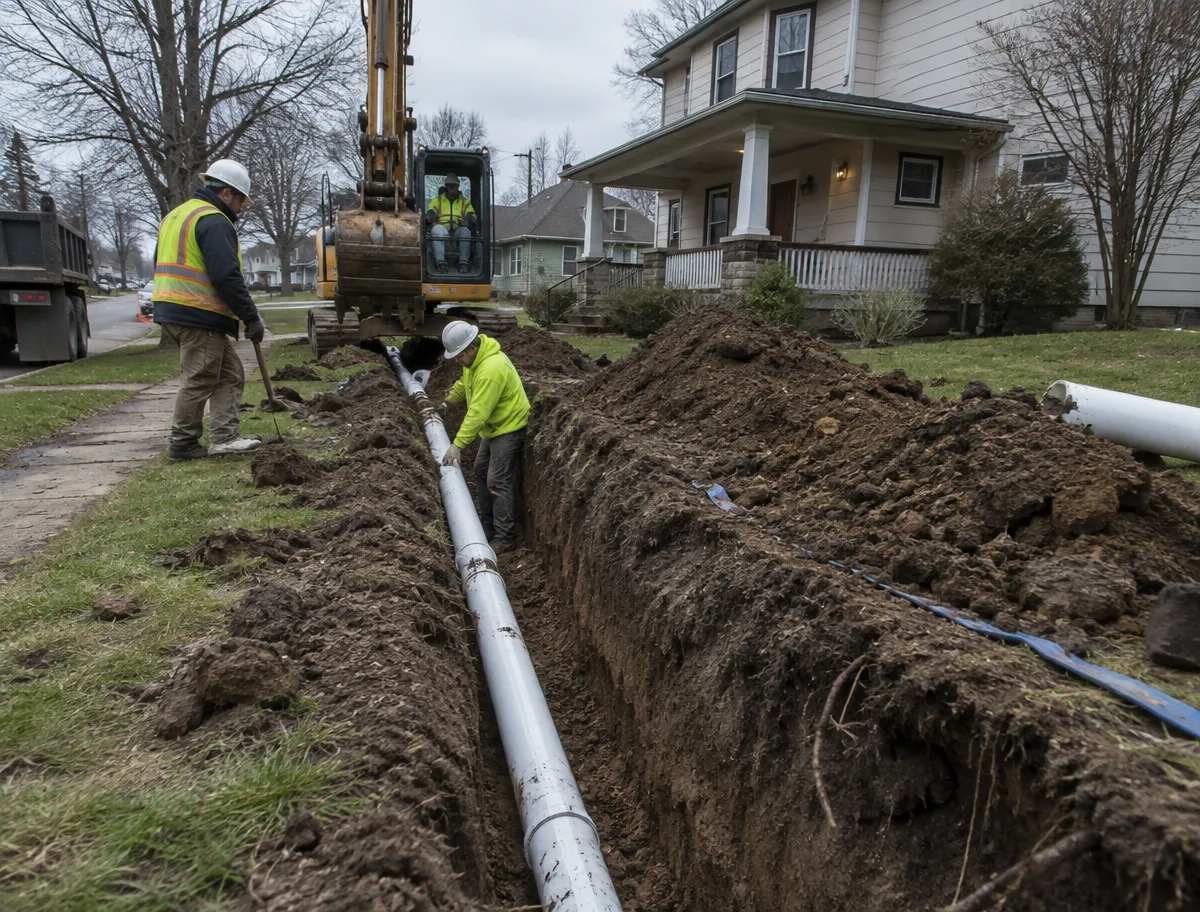
Recurring backups, soggy yard patches, sinkholes, slow drains in multiple fixtures, sewage odors, foundation cracks, and tree root intrusion signal Western New York sewer lines are failing, not just clogged. McCandless Plumbing & Excavation, serving Chautauqua County homeowners for over 50 years, replaces damaged clay, cast iron, and Orangeburg pipes before collapse forces an emergency dig.
What Are the Most Important Warning Signs to Remember?
- Persistent sewage odors around your Jamestown home indicate a broken sewer line requiring immediate replacement.
- Multiple drains backing up simultaneously signals sewer line failure affecting your entire plumbing system.
- Soggy patches in your yard or foundation cracks mean sewage is leaking from damaged underground pipes.
- Rodent and insect infestations increase dramatically when sewer lines crack, creating entry points into your home.
What Does Sewer Line Replacement Mean?
Sewer line replacement means removing a damaged underground pipe and installing a new one, rather than patching a single trouble spot. A clogged drain and a fully failing sewer line represent two different problems, each requiring a specific approach. Snaking or clearing a blockage solves a surface-level backup. A collapsed, cracked, or severely offset line under a Western New York yard or driveway needs full replacement instead.
The sewer line carries wastewater away from a home. Most property owners never think about it until something goes wrong. This pipe plays a hidden but essential role in the overall plumbing system, moving waste from fixtures to the municipal main or septic tank without daily attention. When the line becomes damaged or clogged, results can turn messy, stressful, and even hazardous to a household’s health. Standing sewage near a foundation or crawlspace poses contamination risks that go beyond inconvenience, which is why New York enforces strict sewage pollution right-to-know requirements.
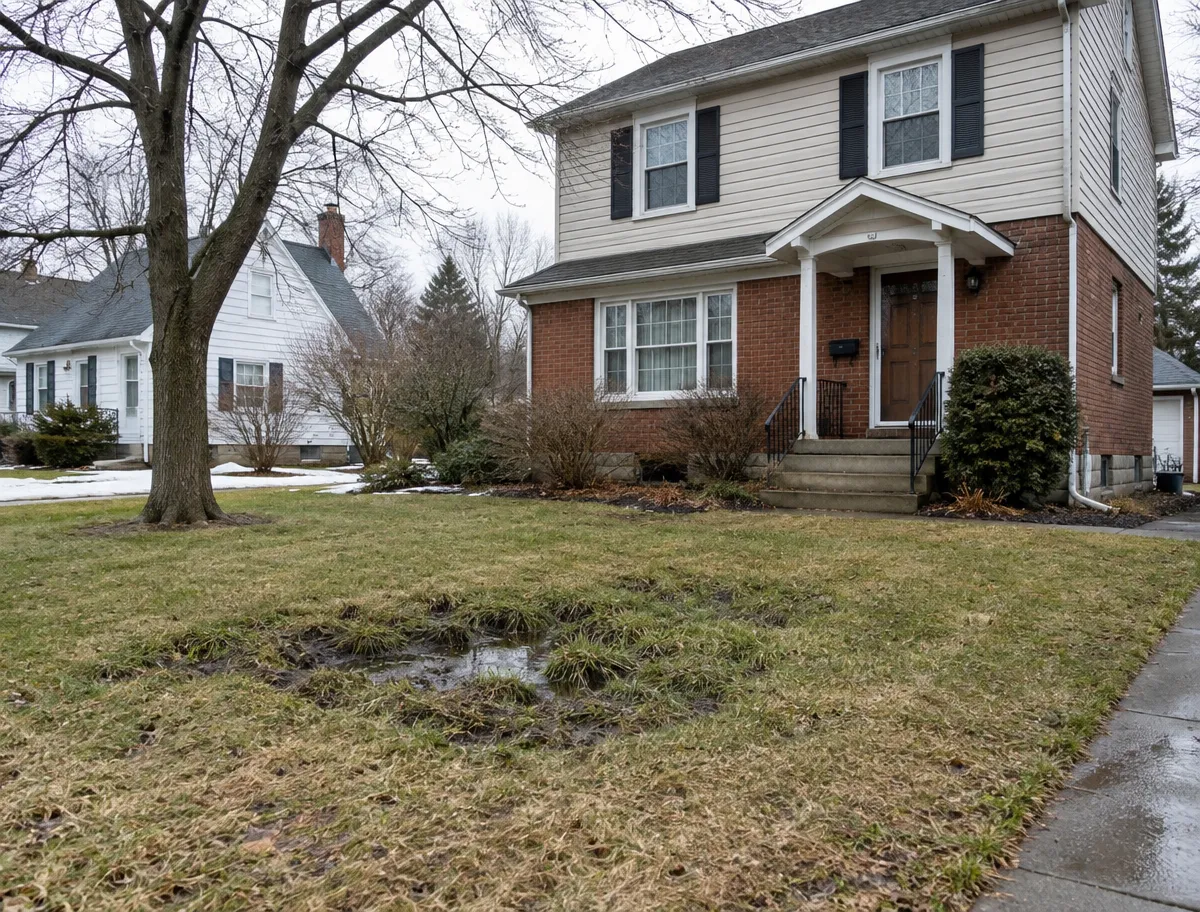
Recognizing signs you need sewer line replacement early prevents a small underground issue from becoming a major plumbing disaster. Catching damage before it worsens saves Western New York property owners from emergency excavation, extended water shutoffs, and landscape repair costs.
Is Sewer Line Replacement the Same as Sewer Line Repair?
No. Repair addresses a localized issue, like a single crack or root intrusion at one joint. Replacement swaps out a compromised section — or the entire line — because age, material breakdown, or structural collapse has left repair as a temporary patch at best.
Why Does Sewer Line Damage Matter for Western New York Properties?
Aging infrastructure, freeze-thaw cycles, and mature tree roots common across the region put added stress on underground pipes. The nation’s aging wastewater infrastructure is a widely documented concern, and Western New York’s older neighborhoods are no exception. Left unaddressed, a failing line disrupts drainage throughout the home and can affect neighboring utility lines.
Why Do Recurring Backups Signal Bigger Problems?
Repeated sewer backups rarely mean a stubborn clog. Western New York homeowners and property managers often see the same problem return within weeks of a supposed fix. That pattern points to structural failure rather than a simple blockage. According to a recent report titled “7 Signs Your Sewer Line Needs Replacement (Not Just Repair),” homeowners typically call for help only after a plumber has already made one or two attempts to clear recurring backups. By that stage, money has usually gone toward temporary fixes rather than a lasting repair — a costly detour for anyone managing a home or rental property across the region’s older neighborhoods.
Frequent repair calls carry real diagnostic weight. Multiple service visits within a short stretch of time often mean the entire underground line needs replacement, not another patch job, consistent with guidance on proper sewer collection system operation and maintenance. This holds especially true for properties built with galvanized steel or cast iron piping, materials common throughout many Western New York homes constructed before modern plastic pipe became standard.
Tree roots compound the problem. As the leading cause of sewer line damage nationwide, roots seek out moisture and infiltrate even hairline cracks in clay or cast iron pipe, creating signs you need sewer line replacement that repeat until the damaged section is removed.
Does a Recurring Backup Always Mean the Whole Line Is Bad?
Not always, but repetition is the red flag. A single backup can stem from a minor clog. A backup that returns after professional clearing usually means:
- Root intrusion has reopened a cracked joint
- Aging galvanized or cast iron pipe has deteriorated further
- Ground shifting has created a new low point in the line
Each scenario points away from repair and toward full replacement.
📞 Ready to Get Started? Don’t wait for a sewer line to fail completely. Contact McCandless Plumbing & Excavation for a professional camera inspection and a free, no-obligation quote across Chautauqua County and Western New York.
What Underground Damage Should Homeowners Watch For?
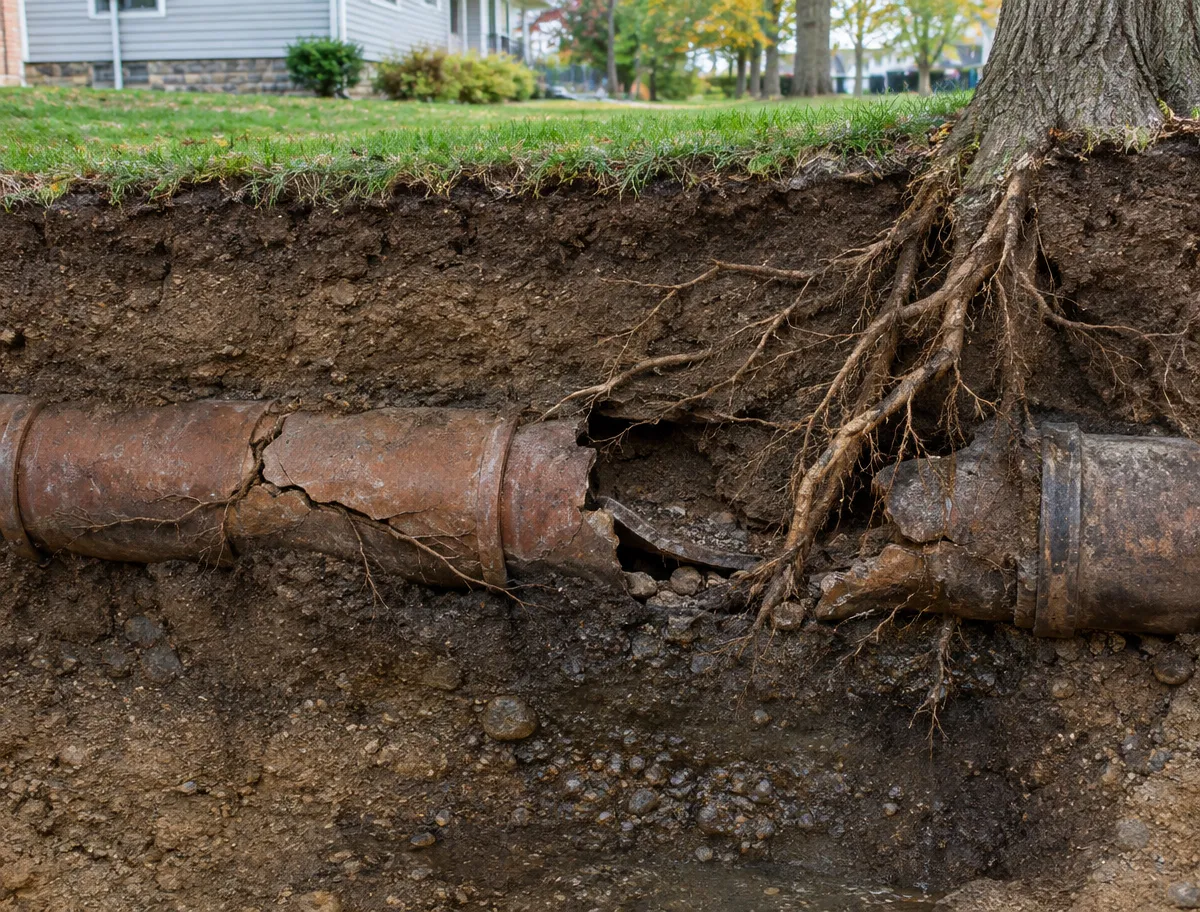
Underground pipe failure rarely announces itself with a single dramatic event. Western New York properties, many built decades ago on clay, cast iron, or Orangeburg pipe, face a slow decline that shows up as recurring symptoms rather than one clear break. Recognizing these patterns early separates a routine repair from a full excavation project.
Age plays the biggest role. Clay, cast iron, and Orangeburg pipe materials, common throughout older Chautauqua County neighborhoods and surrounding Western New York communities, suffer from deterioration, corrosion, and eventual collapse as they near the end of their service life. These materials carry limited lifespans by design. Once corrosion sets in, patchwork repairs stop working, and the line needs complete lateral replacement rather than a spot fix.
Ground movement compounds the problem. Construction activity, seasonal freeze-thaw cycles, and natural soil settling, all familiar conditions across Western New York’s climate, can shift buried pipe out of alignment. The result includes bellied sections that trap waste, offset joints, and separations that interrupt drainage flow entirely.
What Are the Warning Signs of a Broken Sewer Line?
Homeowners typically notice foul odors near drains or in the yard before anything else appears. Unusual gurgling or rumbling sounds from pipes often follow, along with a sinking or soft spot near flooring or the yard surface. These are among the clearest signs you need sewer line replacement, and catching them early prevents a manageable issue from becoming an expensive underground failure.
| Underground Issue | Common Cause |
| Pipe collapse | Age deterioration, corrosion |
| Bellied or offset pipe | Ground shifting, settling |
| Blocked drainage flow | Joint separation |
| Sinking floor or yard area | Advanced pipe failure |
How Does Pipe Age Affect Replacement Timing?
Pipe age determines replacement timing more than any other single factor. Sewer lines have a limited service life, and deterioration accelerates once that life span nears its end. Once a system nears that threshold, patchwork fixes stop paying off and full replacement becomes the practical path forward.
Why Does a Home’s Construction Date Matter So Much?
Construction date acts as a shortcut for pipe material and expected lifespan. Western New York homes built decades ago that still carry their original piping typically reach a tipping point where continued repairs cost more than one comprehensive replacement. Older clay, cast iron, and similar materials weaken gradually. Each new leak or backup signals another step toward failure rather than an isolated event. For property managers and buyers evaluating older housing stock across the region, checking the installation date early prevents costly surprises later.
What Should Property Owners Watch For as Pipes Approach 50 Years Old?
Recurring leaks, dropping water pressure, and repeated signs you need sewer line replacement — such as slow drains or sewage odors near the yard — all point toward age-related failure rather than a one-time clog.
- Frequent repairs on the same section of line
- Discolored or gritty water from aging supply pipes
- Persistent drainage backups despite recent clearing
A licensed team with more than 50 years of experience serving Western New York communities handles these replacements efficiently, minimizing disruption to the property. That service area covers homeowners and businesses across Chautauqua County, reaching well beyond any single city to support the broader region’s aging infrastructure needs.
What Should You Do After Spotting Warning Signs?
Action, not delay, protects a Western New York property once trouble surfaces underground. Recognizing early warning signs lets a homeowner take charge of the situation before damage spreads and property value takes a hit. A slow drain or a soggy patch of lawn in a Chautauqua County backyard rarely stays a minor issue for long.
Should a Homeowner Get a Camera Inspection Before Agreeing to Repairs?
Yes. A camera inspection should come before any quoted work, and a written estimate should follow before repairs begin. This step matters for older Western New York homes. Clay or cast-iron lines sit buried under decades of soil movement and freeze-thaw cycles. Skipping this step means paying for guesswork instead of a documented plan based on professional sewer line assessment standards.
Is Trenchless Replacement Worth the Higher Per-Foot Cost?
Often, yes. Trenchless methods can carry a higher per-foot price than open trenching, but they usually save money elsewhere. Landscaping, driveways, and other surface restoration add up fast on a traditional dig, especially on properties with mature trees or paved surfaces common across the region.
Homeowners and property managers weighing next steps should consider the following:
- Request a full camera inspection before accepting any repair quote.
- Compare trenchless and traditional methods against total restoration costs, not just per-foot pricing.
- Address small cracks or blockages promptly rather than waiting for a full collapse.
- Keep written estimates on file for insurance or resale documentation.
Waiting rarely pays off. Small sewer issues, addressed quickly, avoid the far higher cost of a complete replacement down the line. For any Western New York property, that early response protects both the plumbing system and the budget behind it.
TL;DR — Signs You Need Sewer Line Replacement at a Glance
- Frequent backups across multiple drains often signal a failing sewer line, not just a clog.
- Persistent sewage odors, soggy or green yard patches, and foundation cracks near the sewer route point to underground pipe damage.
- Rodent or insect activity near drains can mean cracks are letting pests inside.
- Clay and cast iron pipes older than 50 years are prime candidates for full replacement rather than repair.
- A camera inspection is the only way to confirm sewer line replacement is truly needed before repairs begin.
- Next step: Schedule a professional camera inspection with McCandless Plumbing & Excavation before a failing line becomes a costly emergency.
Frequently Asked Questions
How is sewer line replacement different from a simple repair?
Replacement removes and installs a new pipe rather than patching a single trouble spot. Repair fixes a localized issue like one crack or root intrusion, while replacement addresses structural collapse or material breakdown.
Why do recurring sewer backups mean more than a clogged drain?
Repeated backups returning within weeks of a fix point to structural failure, not a simple blockage. This pattern is common in properties with galvanized steel or cast iron piping throughout Western New York.
What underground pipe materials does McCandless replace in Western New York?
McCandless Plumbing & Excavation replaces damaged clay, cast iron, and Orangeburg pipes before they collapse and force an emergency dig. The company has served Chautauqua County homeowners for over 50 years.
What does a sewage odor or soggy yard patch mean for my sewer line?
A persistent sewage odor or a soggy, unusually green patch in the yard over the pipe route usually means wastewater is leaking from a cracked or collapsed underground line. These signs often appear alongside slow drains or gurgling pipes and should prompt a professional camera inspection right away.
How does a camera inspection confirm I need sewer line replacement?
A camera inspection sends a waterproof video camera through the line to show collapsed sections, root intrusion, offset joints, and pipe material condition in real time. This visual diagnosis confirms whether sewer line replacement or a smaller repair is the right fix before any work begins.
Related Resources
- Sewer Services in Western New York
- Chautauqua County Service Area
- Sewer Camera Inspection in Jamestown, NY
- CCTV Sewer Inspection in Western New York
- Sewer Line Inspection Near Me in Jamestown, NY
- Drain Camera Inspection in Chautauqua County, NY
Get a Free Sewer Camera Inspection
Recognizing these signs you need sewer line replacement early protects your Western New York property from emergency excavation, extended water shutoffs, and costly landscape repair. A professional camera inspection confirms exactly what’s happening underground before any work begins, so you get a documented plan instead of guesswork. Contact McCandless Plumbing & Excavation today for a free, no-obligation quote.
About McCandless Plumbing & Excavation: McCandless Plumbing & Excavation has proudly served Jamestown, NY and Chautauqua County since 1975, specializing in sewer line repair and replacement, water line services, septic systems, drainage, and excavation. The licensed, insured team is available 24/7 for emergencies. Contact us today for a free, no-obligation quote.