

If you are buying a home in Chautauqua County, NY, you may already be planning a standard home inspection as part of your real estate transaction. However, many buyers are unaware that a standard home inspection typically does not include a detailed examination of the sewer lines. This is where a sewer scope inspection becomes crucial. Older homes in Chautauqua County often have aging sewer lines made from materials like clay, cast iron, or Orangeburg pipe, which are prone to deterioration and problems that standard inspectors usually do not check. Requesting a sewer scope inspection can uncover hidden issues that could lead to costly repairs after you close on the home.
A sewer scope inspection uses a specialized camera to visually inspect the inside of the sewer lines running from the home to the municipal sewer or septic system. This inspection can reveal blockages, cracks, root intrusions, pipe collapses, and other damage that may not be visible during a typical home inspection. Knowing the condition of the sewer lines before finalizing your purchase helps you avoid unexpected expenses and health hazards related to sewer failures.
What Does a Sewer Scope Inspection Find?
The sewer scope inspection camera travels through the sewer pipes to identify common issues such as:
- Cracked or broken pipes
- Tree root intrusion causing blockages
- Pipe corrosion or deterioration, especially in older materials like clay, cast iron, and Orangeburg
- Collapsed or misaligned pipes
- Blockages or buildup restricting flow
These problems can lead to sewage backups, slow drains, foul odors, and expensive repairs if left undetected. Since these issues are often hidden underground, a sewer scope inspection is the only reliable way to assess the sewer line’s condition before you buy.
When Should You Order a Sewer Scope Inspection?
The best time to schedule a sewer scope inspection is early in the home buying process, ideally after your offer is accepted but before the final closing. This timing allows you to:
- Include the sewer scope as part of your due diligence alongside the standard home inspection.
- Review the inspection report and negotiate repairs or price adjustments with the seller if problems are found.
- Make an informed decision about proceeding with the purchase based on the sewer line condition.
Waiting until after closing to discover sewer line issues can result in costly emergency repairs that you will have to pay for out of pocket.
What Happens If a Problem Is Discovered?
If the sewer scope inspection reveals issues, you have several options depending on the severity of the problems:
- Negotiate Repairs: Request the seller to fix the sewer line issues before closing or provide a credit to cover repair costs.
- Adjust Your Offer: Lower your purchase price to account for the estimated cost of repairs.
- Walk Away: If the problems are extensive and costly, you may choose to cancel the purchase to avoid future headaches.
Consulting with your real estate agent and a licensed plumber can help you understand the implications and decide the best course of action. New York State also requires sellers to disclose known sewer and septic issues on the Property Condition Disclosure Statement, making a sewer scope inspection a critical tool for verifying those disclosures before closing.
Why Are Sewer Scope Inspections Especially Important in Chautauqua County?
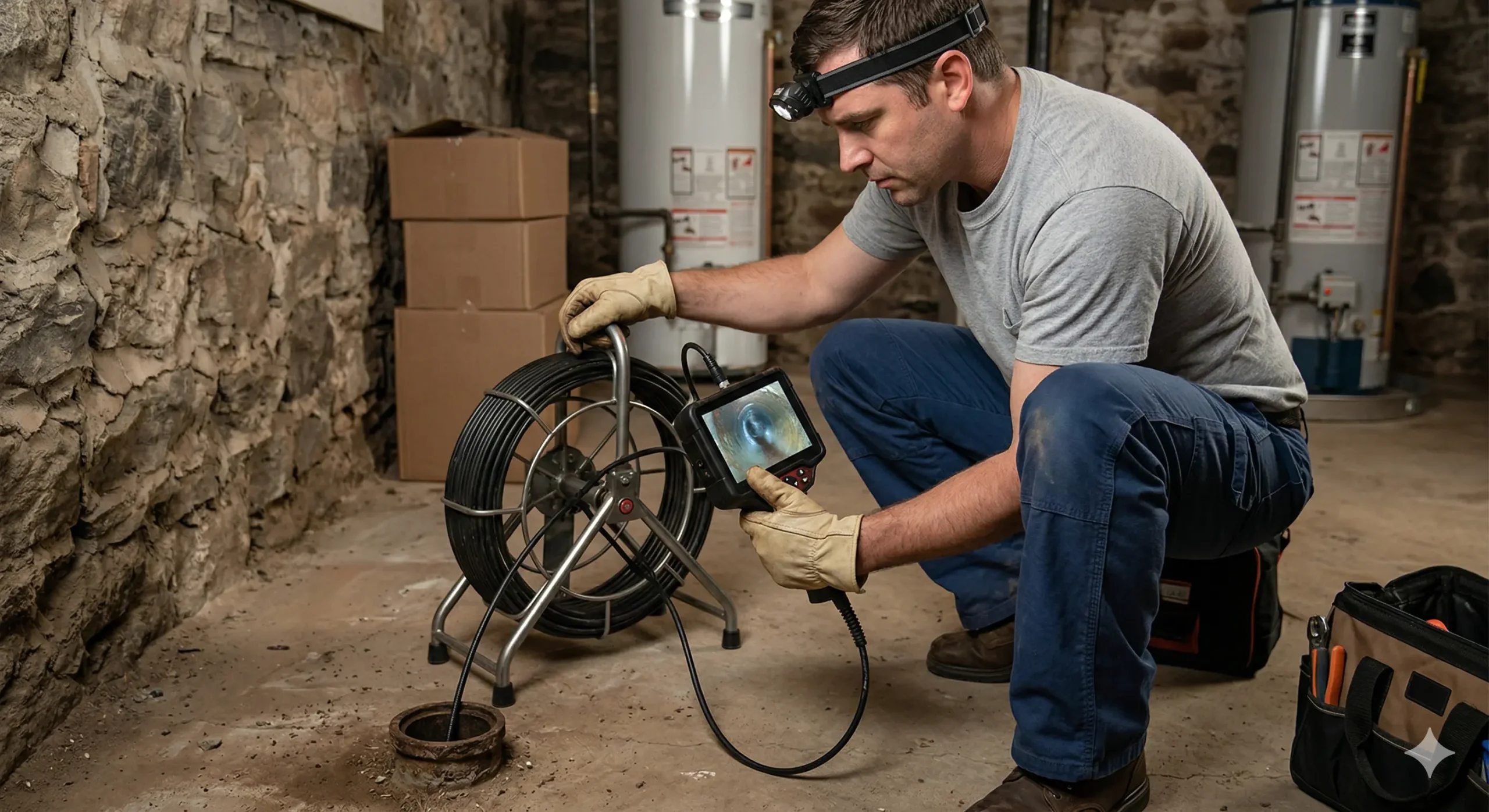
Many homes in Chautauqua County were built decades ago and still have original sewer lines made from materials that degrade over time, such as clay, cast iron, and Orangeburg pipe. These materials are susceptible to cracking, corrosion, and root intrusion, which can cause sewer backups and drainage problems. Standard home inspections typically do not include sewer line evaluations, so these issues often go unnoticed until after purchase. A sewer scope inspection is essential to uncover these hidden risks and protect your investment.
How Do Local Sewer Infrastructure and Regulations Impact Inspection Needs?
Chautauqua County’s aging sewer infrastructure and local regulations mean that many neighborhoods have older sewer systems that may not meet current standards. This increases the likelihood of sewer line failures and the need for repairs or upgrades. Understanding these local factors can help you appreciate the importance of a sewer scope inspection and ensure you comply with any municipal requirements related to sewer system maintenance or replacement. Residents within the Chautauqua Utility District can review CUD sewer connection and maintenance regulations for guidance on local compliance requirements.
What Recent Trends Affect Sewer Line Health in Chautauqua County?
Environmental changes such as increased rainfall and flooding, along with more extensive tree planting, have contributed to greater stress on sewer lines in the area. These factors can accelerate deterioration and root intrusion, making regular sewer inspections even more critical for homeowners and buyers alike.
Which Related Home Systems Should Buyers Inspect Alongside Sewer Lines?
In addition to sewer lines, buyers should consider inspecting other plumbing-related systems to get a full picture of the home’s plumbing health:
- Water Supply Lines: Check for leaks, corrosion, and pressure issues.
- Septic Systems: For homes not connected to municipal sewer, a septic inspection is vital.
- Drainage Systems: Ensure proper drainage to prevent water damage and flooding.
- Roof and Gutters: Overflowing gutters and short downspouts dump roof runoff against the foundation, overloading the same drainage systems a sewer scope helps evaluate. Buyers elsewhere in the state, such as the Hudson Valley, often bring in a local roofer like GKontos Roofing & Exterior Specialists to assess the roof before closing..
What Does a Comprehensive Home Plumbing Inspection in NY Include?
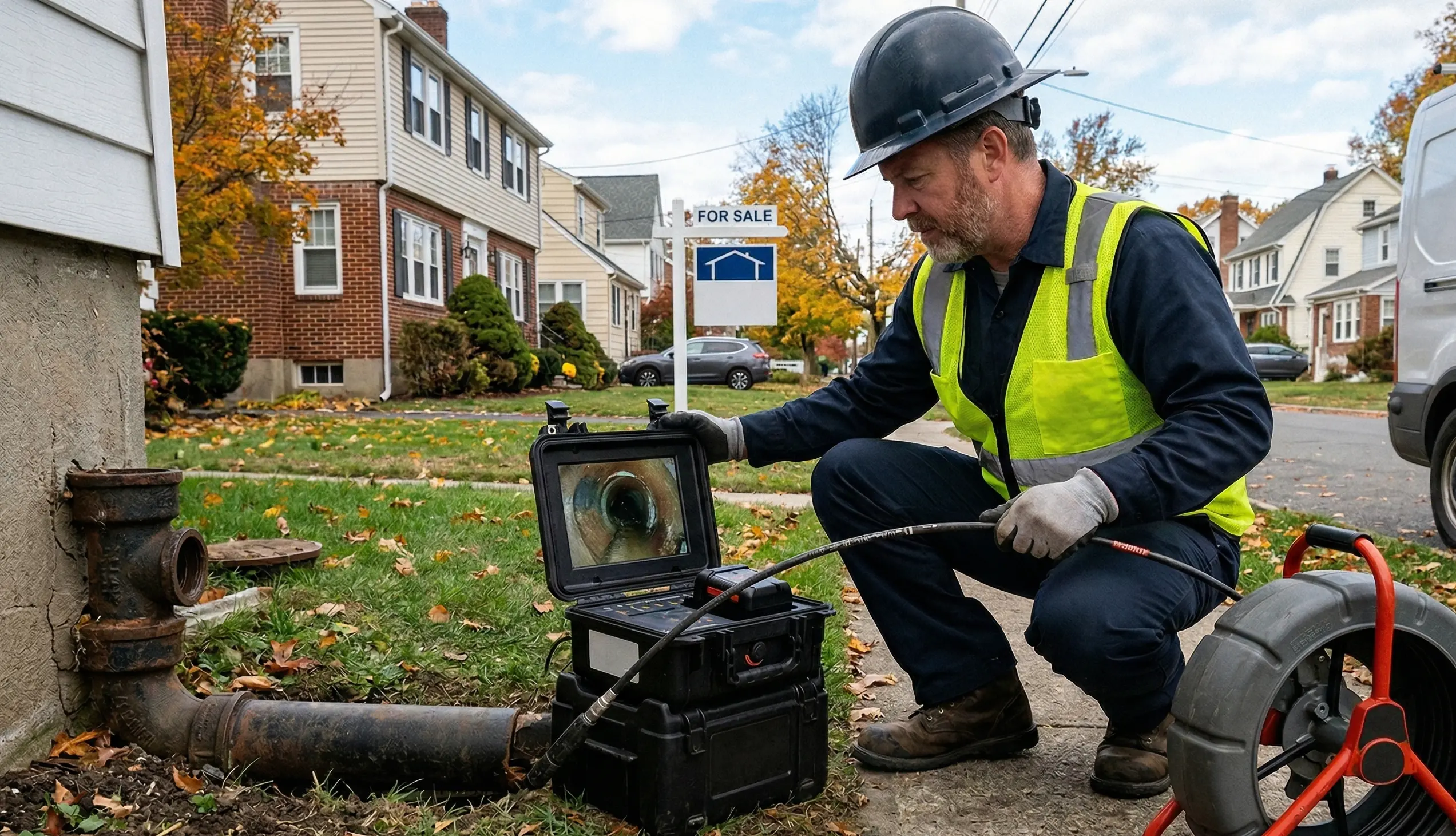
A thorough home plumbing inspection in New York typically includes:
- Sewer Scope Inspection: Camera inspection of sewer lines to detect hidden issues.
- Water Supply Evaluation: Checking pipes and fixtures for leaks and pressure problems.
- Fixture Inspection: Assessing sinks, toilets, and other plumbing fixtures.
- Drainage Assessment: Ensuring proper flow and preventing backups.
This comprehensive approach helps buyers understand the full condition of the home’s plumbing system before purchase.
How Do Septic System and Drainage Inspections Complement Sewer Scopes?
Septic and drainage inspections provide additional insights that complement sewer scope findings. While sewer scopes focus on underground sewer pipes, septic inspections evaluate the onsite wastewater treatment system, and drainage inspections assess how water is managed around the property. Together, these inspections give a complete picture of plumbing health and potential risks.
How to Schedule a Sewer Scope Inspection and What to Expect in Chautauqua County?
Scheduling a sewer scope inspection in Chautauqua County is simple and should be done early in your home buying process. Follow these steps:
- Research Local Inspectors: Find qualified plumbing professionals experienced in sewer scope inspections.
- Contact Inspectors: Provide property details and schedule an appointment.
- Prepare for Inspection: Ensure access to the sewer cleanout or main sewer line entry point.
During the inspection, a technician will insert a camera into the sewer line to visually assess its condition. Afterward, you will receive a detailed report outlining any issues and recommendations. If problems are found, you can use this information to negotiate repairs or adjust your purchase plans.
Protect Your Investment: Schedule Your Sewer Scope Inspection Today
Don’t risk costly sewer line repairs after closing on your Chautauqua County home. Schedule a professional sewer scope inspection with McCandless Plumbing & Excavation to uncover hidden plumbing issues before you buy. Our experienced technicians provide thorough inspections and detailed reports to help you make informed decisions.
Frequently Asked Questions
1. What are the signs that a sewer scope inspection is needed before buying a home?
Home buyers should consider a sewer scope inspection if they notice signs such as slow drains, frequent backups, or unusual odors around the property. Additionally, if the home is older or has a history of plumbing issues, an inspection is advisable. These indicators can suggest underlying problems within the sewer lines that may not be visible during a standard home inspection. Addressing these issues early can save buyers from costly repairs and health hazards associated with sewer failures.
2. How much does a sewer scope inspection typically cost in Chautauqua County?
The cost of a sewer scope inspection in Chautauqua County can vary based on several factors, including the property’s size and the complexity of the plumbing system. Generally, buyers can expect to pay between $150 to $300 for a comprehensive inspection. While this may seem like an additional expense, it is a small price to pay compared to the potential costs of major plumbing repairs that could arise from undetected issues.
3. Can a sewer scope inspection reveal issues with other plumbing systems?
Yes, a sewer scope inspection can provide insights into the overall health of a home’s plumbing system. While the primary focus is on the sewer lines, issues such as blockages or root intrusions can indicate problems with drainage or water supply systems. If significant issues are found during the inspection, it may prompt further evaluations of related systems, ensuring that buyers have a comprehensive understand