

Quick answer: If you own a home in Western New York, your septic system deserves regular attention. A quick answer to maintaining your septic system is to pump it every 3–5 years, schedule professional inspections every 1–3 years, and watch for warning signs like slow drains or sewage odors. Local soils and seasonal weather in Western New York, including wet springs and frozen winters, can strain systems, so this guide lays out straightforward steps for pumping, inspections, and repairs. Follow these tips to keep your system working reliably, avoid expensive fixes, and protect your property and the environment.
Key Takeaways
- Pump your septic tank every 3–5 years to prevent clogs and costly failures.
- Schedule a professional inspection every 1–3 years to catch problems early.
- Routine checks—tank lids, access ports, slow drains, or odd smells—help you spot issues before they worsen.
- Common repairs include replacing baffles, sealing cracks, cleaning effluent filters, and adding access risers.
- Watch for warning signs: slow drains, sewage odors, and soggy spots in the yard.
- Western NY’s seasonal soil absorption changes can affect maintenance timing—plan accordingly.
- Protect the drain field by keeping heavy traffic, roots, and harsh chemicals away.
- Keep detailed inspection and repair records to simplify troubleshooting and upkeep.
- Hire experienced local septic professionals for reliable pumping, inspection, and repairs.
Essential Maintenance Tips
Good maintenance extends the life of your septic system and saves you money. Regular care and timely repairs prevent system failures. Know the right pumping schedule, inspection cadence, and simple preventive checks to keep everything running smoothly.
Regular Septic Pumping
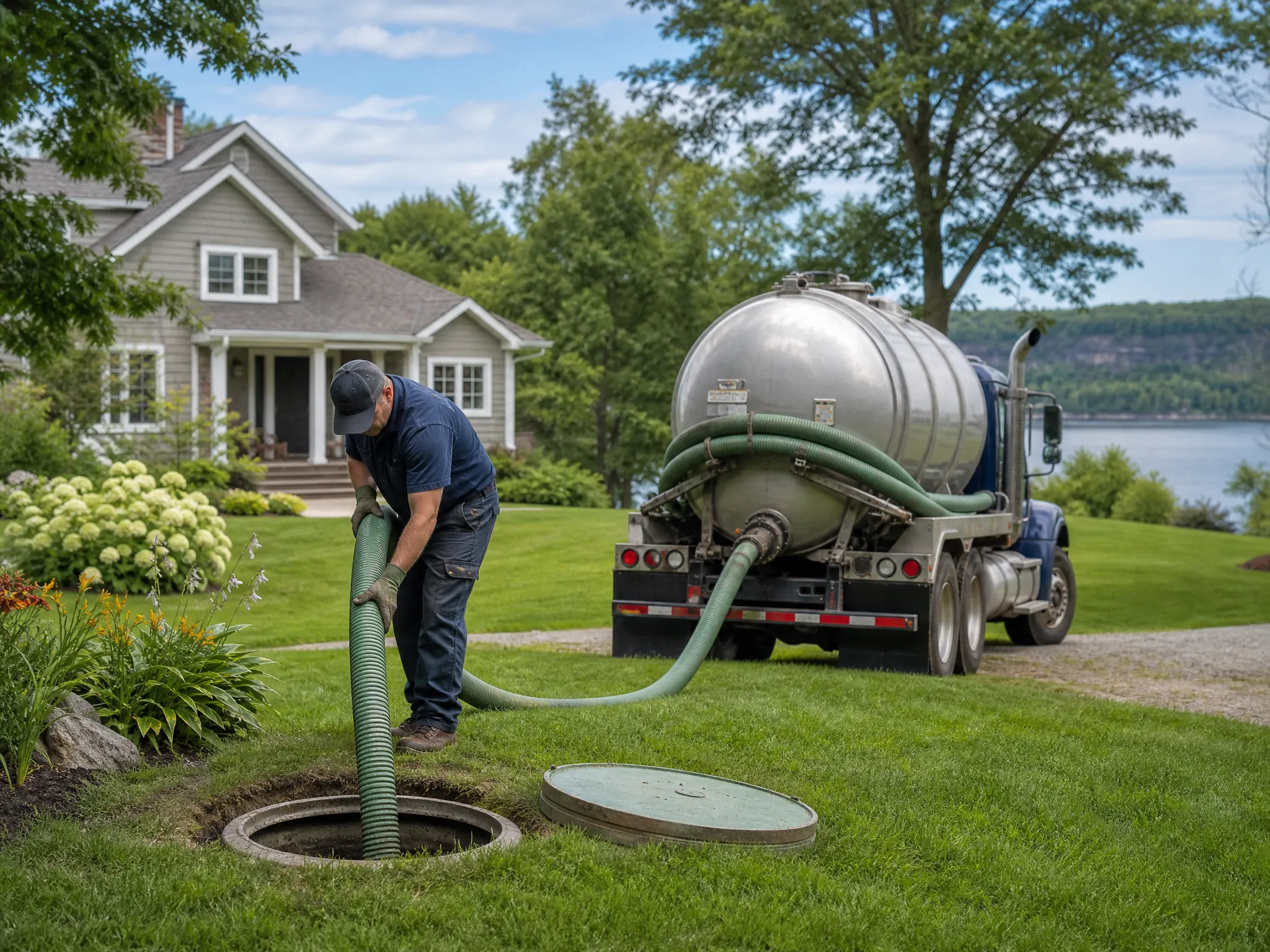
Pumping is one of the most important things you can do. Most tanks need pumping every 3–5 years, depending on tank size and household use. Skipping pumps leads to solids buildup, clogs, and expensive repairs. When you’re ready to schedule, search for septic tank pumping near me to find qualified local technicians who use the right equipment to empty and inspect the tank safely and thoroughly.
Septic Cleaning and Inspections
Cleaning and inspections go hand in hand. Have a pro conduct septic system inspections every 1–3 years to check baffles, measure sludge levels, and spot early wear. Regular cleanings keep components working efficiently and extend the system’s usable life.
Preventive Maintenance
Set aside time each season to look over visible components. Check lids and access ports for damage or settling, and pay attention to slow drains or unusual odors. Small, regular checks help you catch issues long before they become emergencies.
Inspection Procedures
Inspections reveal hidden problems and confirm your system is operating as intended. A thorough check helps you meet local rules, protect your property, and plan repairs when needed.
Types of Inspections
Inspections range from pre‑purchase assessments to routine maintenance checks. If you’re buying a home with a septic system, a pre‑purchase inspection can uncover costly issues. Routine inspections keep you ahead of wear and tear and help schedule maintenance wisely.
Inspection Process
Inspectors typically evaluate the tank, distribution box, and drain field. They look for cracks, check baffle condition, measure sludge, and test drainfield performance. Some also use a sewer camera inspection to get a closer look at pipe condition. That assessment confirms whether the system is functioning and highlights any repairs needed.
Documentation
Keep a file of inspection reports, pump receipts, and repair notes. That history helps technicians understand past problems, track trends, and make better recommendations—plus it’s useful if you sell the property.
Common Repair Techniques
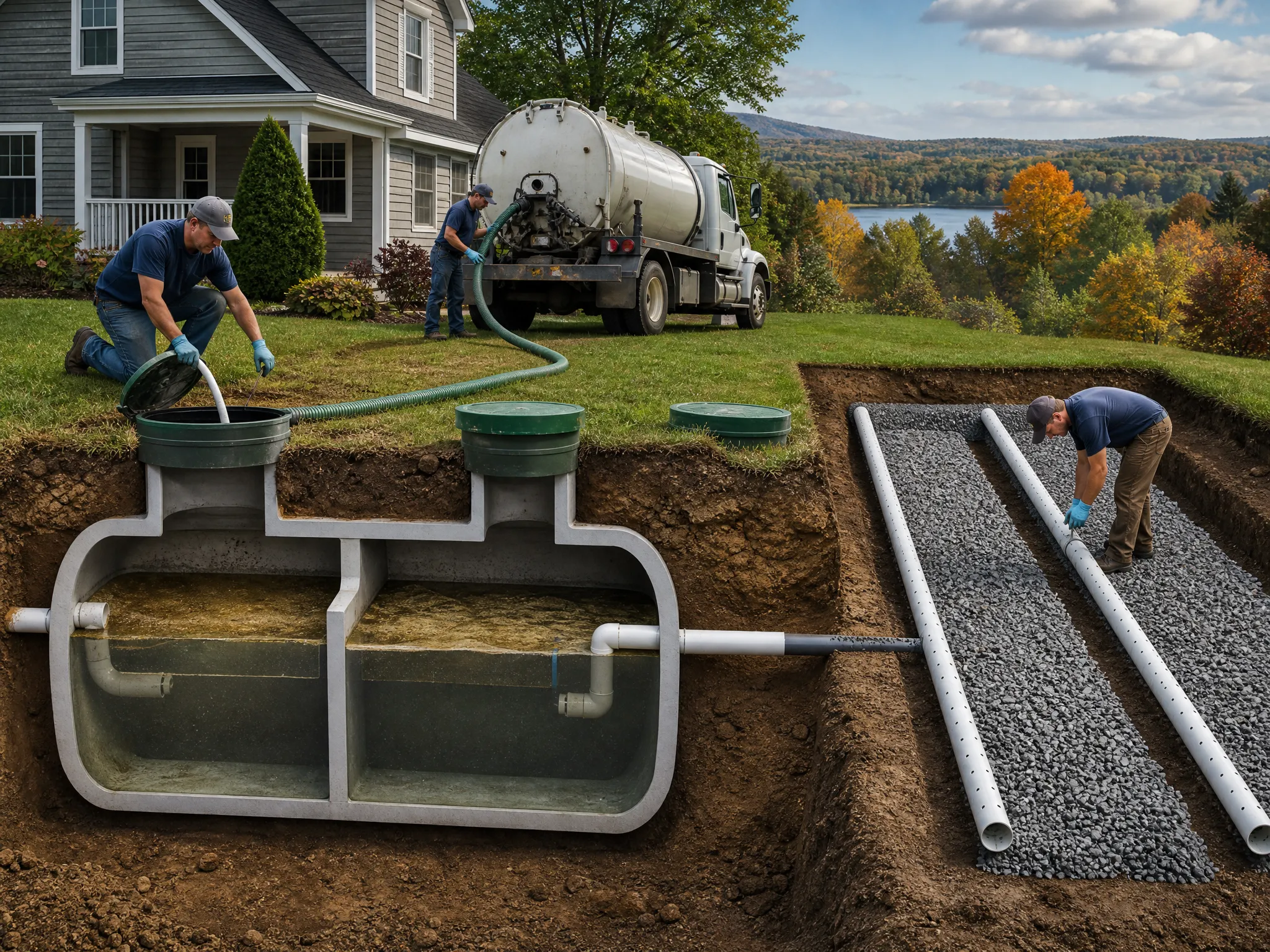
When repairs are needed, knowing the usual fixes helps you discuss options with your contractor and plan costs. These techniques keep the system functional and protect your drain field.
Baffle Repair and Replacement
Baffles direct wastewater and keep solids out of the drain field. If a baffle is damaged, you may notice slow drains or odors. Prompt septic tank repair or replacement restores proper flow and protects the drain field.
Septic Tank Crack and Leak Repairs
Cracks can let sewage escape and contaminate groundwater. Repair specialists use proven sealing methods and, when necessary, partial tank replacement to stop leaks and prevent health risks.
Effluent Filter Maintenance
Effluent filters catch solids before they reach the drain field. Clean them regularly—your service provider can show you the right interval—to avoid clogs and extend drain field life.
Access Port and Riser Installation
Adding access risers and ports makes pumping and inspections easier and safer. They reduce excavation costs for future service and help ensure proper ventilation and access to the tank.
Signs Your System Needs Attention
Spotting warning signs early prevents bigger problems. If you notice any of the following, arrange a professional inspection right away.
- Slow Drains: Slow sinks, tubs, and toilets can indicate a full tank or partial blockage. Professional drain cleaning services can help clear the line before a full tank replacement becomes necessary.
- Sewage Odors: Persistent smells inside or outside the house suggest leaks or system failure.
- Wet Spots in Yard: Soft, wet, or unusually green patches over the drain field can mean a failing system.
How Often Should You Schedule Septic Tank Pumping in Western NY?
In Western NY, plan on pumping every 3–5 years for most single‑family homes. Tank size and household water use can shorten or lengthen that interval—ask your service pro for a recommendation tailored to your situation. For general guidance on responsible ownership, see the EPA Homeowner’s Guide to Septic Systems.
What Factors Influence Pumping Frequency for Septic Tanks?
Pumping frequency depends on tank size, number of occupants, and wastewater habits. High water use, a small tank, or frequent solids (like a garbage disposal) usually means more frequent pumping.
How Does Local Climate Affect Septic Tank Maintenance?
Western NY’s seasonal changes affect soil absorption and system performance. Wet springs or frozen ground can mask problems or reduce field performance, so adjust inspection timing and be alert after heavy precipitation. Cornell Cooperative Extension offers practical tips for getting your septic system ready for winter that are especially relevant for Western NY freeze-thaw conditions.
What Are the Key Steps in Septic System Inspection and Troubleshooting in Chautauqua County?
Inspectors in Chautauqua County typically check the tank structure, measure sludge and scum layers, test baffles, and evaluate drain field percolation. Documenting findings and following local code guidance helps ensure compliance and safe operation.
How to Identify Common Signs of Septic System Failure?
Key failure indicators include persistently slow drains, strong sewage odors, surfacing sewage, and soggy or unusually lush areas above the drain field. If you see these, stop heavy water use and call a professional.
What Does a Comprehensive Septic Inspection Checklist Include?
A full checklist reviews tank condition, baffle integrity, sludge depth, effluent filter status, distribution box condition, and drain field performance. It also notes access issues and any needed repairs or permits.
How Can Homeowners Maintain and Repair Septic Drain Fields Effectively?
Protect the drain field by keeping heavy vehicles off it, avoiding deep‑rooted plantings, and limiting harsh cleaners that kill beneficial microbes. If repairs are needed, work with qualified contractors who understand local soils and codes.
What Are the Best Practices for Drain Field Maintenance?
Best practices include planting only shallow‑rooted grass, using yard drainage solutions to redirect roof and surface runoff away from the field, avoiding excess water use, and never discharging chemicals or grease into the system.
Further emphasizing the need for planning, experts recommend mapping your system’s layout so you and future contractors know exactly where the tank, drain field, and replacement area sit.
When Is Professional Drain Field Repair Necessary?
Call a professional when you see persistent wet spots, recurring sewage smells, or chronic backups. These symptoms usually mean the drain field is failing or the system needs a targeted repair.
Which Related Services Support Septic System Health in Western NY?
Plumbing, excavation, and landscaping services often work together to maintain and repair septic systems. Plumbers handle piping and backups; excavators access buried components; landscapers help protect the drain field.
How Do Plumbing and Excavation Services Integrate with Septic Maintenance?
Plumbers diagnose and fix internal plumbing issues; excavation services expose tanks and drain lines for service; both coordinate with septic technicians to complete repairs, install risers, or replace components safely.
What Role Does HVAC Play in Septic System Environments?
HVAC affects indoor humidity and ventilation, which can influence odors and moisture inside the home. Proper ventilation and moisture control help keep indoor air comfortable while the septic system does its work outside.
What Local Regulations and Compliance Requirements Affect Septic Systems in Chautauqua County?
Chautauqua County requires permits and inspections for new installations, major repairs, and sometimes for property transfers. Check local health department rules before making changes to ensure compliance.
Which Permits and Inspections Are Required for Septic Maintenance?
Permit and inspection requirements vary by project and location. Simple pumps usually don’t need permits, but repairs, replacements, and new systems often do—confirm with county authorities before starting work.
How Do Local Rules Impact Septic System Upgrades and Repairs?
Local regulations can dictate system types, setback distances, and required permits. Always consult local code and a licensed contractor so upgrades meet health and environmental standards.
How Much Does Septic System Cleaning and Repair Cost in Western NY and How to Schedule Services?
Costs vary with the job’s scope. Routine pumping and basic cleaning are one price range; repairs or excavations cost more. Get multiple quotes, check references, and schedule service during dry weather when possible.
What Are Typical Costs for Septic Tank Pumping and Cleaning?
In Western NY, pumping and basic cleaning typically range from about $300 to $600, depending on tank size and access. More extensive services or difficult excavations increase the price.
How to Choose Reliable Septic Service Providers in Western NY?
Choose providers with solid experience, local references, and transparent pricing. Verify licensing and insurance, read reviews, and ask for a written estimate and a clear scope of work before hiring.
Frequently Asked Questions
What are the environmental impacts of a failing septic system?
A failing system can release untreated sewage into soil and waterways, contaminating groundwater and local streams. That risks public health, harms wildlife, and can lead to regulatory fines. Regular maintenance prevents most of these problems.
How can I tell if my septic system is functioning properly?
Healthy systems drain normally, have no sewage smell, and show no wet or soggy spots over the drain field. Keep up with inspections and pumping, and track maintenance so you can spot decline early.
What should I do if I notice sewage odors around my property?
Limit water use to reduce strain, avoid using the system heavily, and call a professional right away. Do not ignore odors—timely attention prevents health hazards and larger repairs.
Are there specific plants I should avoid near my septic drain field?
Yes. Avoid large trees and shrubs with aggressive roots—willows, maples, and oaks can damage pipes and fields. Plant shallow‑rooted grass or low, noninvasive groundcovers instead.
How can I extend the lifespan of my septic system?
Pump regularly, schedule inspections, avoid flushing non‑biodegradable items or pouring grease and harsh chemicals down drains, and manage household water use. These habits greatly extend system life.
What are the common misconceptions about septic systems?
People often think septic systems don’t need regular care or that they can accept any waste. In reality, systems need scheduled pumping, careful disposal habits, and professional inspections to function properly.
Conclusion
Maintaining your septic system is one of the best investments you can make for your home in Western New York. Regular pumping, timely inspections, and simple preventive steps protect your property, your wallet, and the environment. Keep records, watch for warning signs, and work with trusted local professionals when repairs are needed. Ready for help? Explore our septic system services to find experienced technicians in your area.
Choose McCandless Plumbing & Excavation’s Expert Septic Services in Western New York
For reliable, professional septic system maintenance, pumping, and repairs in Western New York, trust our experienced local team at McCandless Plumbing & Excavation. We understand the unique challenges of the region’s soils and climate and provide thorough inspections and quality repairs to keep your system running smoothly. Contact us today to schedule your service and protect your home and environment.